Matthew Lynn

Matthew Lynn is a financial columnist and author of ‘Bust: Greece, The Euro and The Sovereign Debt Crisis’ and ‘The Long Depression: The Slump of 2008 to 2031’

What’s the point of fining Thames Water?

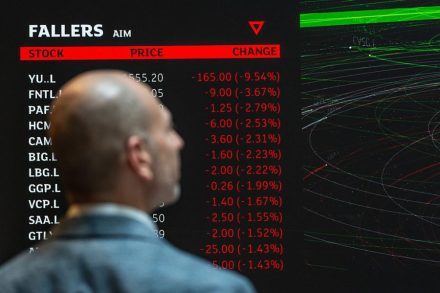
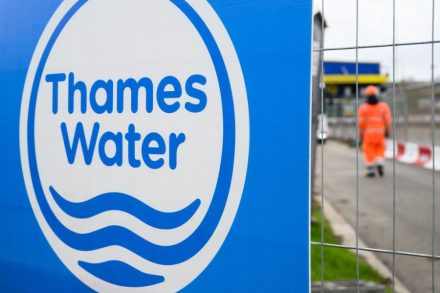
That should teach it a lesson. The utility giant Thames Water has today been hit with a massive £122.7 million fine for failing to deal with sewage properly, and for paying out excessive dividends. No doubt the regulator Ofwat thinks that will focus the minds of the company's management and force it to sharpen up its act. There is just one snag. Thames Water is already close to going bust. In reality, it needs new management and a restructuring of its massive debts – and a fine won’t help that.  After what it described as the sector’s 'biggest and most complex investigation', Ofwat imposed a fine of £104.5 million for Thames Water’s treatment of wastewater and £18.2 million in what it described as 'undeserved' dividend payments to its main shareholders in 2023 and 2024.

Britain’s America deal is paying off

Exports would be impossible. The supply chains would be snarled up. And trade restrictions would destroy the economics of the industry. We have been lectured endlessly on how our departure from the EU would destroy the British car industry. But hold on. It is now finding a new niche as an offshore manufacturing hub for the American market – and that is only possible because of Brexit. The Japanese auto giant Toyota has today announced a major new investment in the UK. It’s a plant in Derbyshire will start making GR Corolla’s, a popular high performance model in America. The reason is simple. Right now, Japanese cars shipped across the Pacific face a 25 per cent tariff if they are sold in the United States.

The EU could pay a high price for not settling with Trump

The deals have been settled. The exceptions have been made. And supply chains have started to return to normal, while the stock market has recovered its losses. We may have thought the ‘tariff wars’ were over. But President Trump has today resumed hostilities, threatening a fresh round of levies on the European Union. It seems the bloc is about to pay a very high price for not settling with Trump earlier.  The EU is paying the price for failing to get a deal across the line while it still could The President was typically blunt. On his social media channel, he laid into the EU’s obstinacy over trade. ‘The European Union, which was formed for the primary purpose of taking advantage of the United States on TRADE, has been very difficult to deal with,’ he thundered.

Labour’s spending is out of control

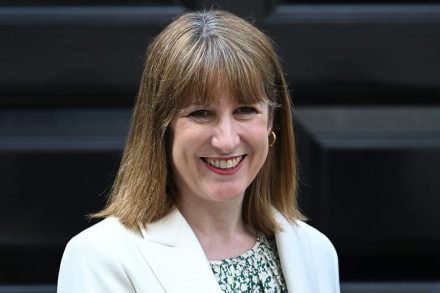
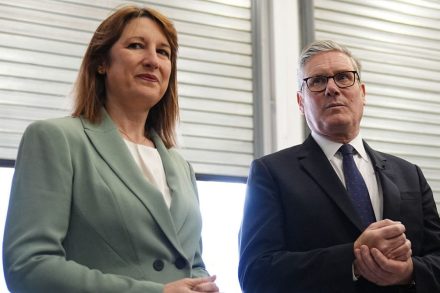
To borrow a phrase that was once famously used about the Pentagon, 'a billion here, a billion there and pretty soon you are talking real money’. The Labour government has certainly been spending some ‘real money’ this week. If you tot up the total amount it has added to spending over the last five days, it comes to an extraordinary £50 billion. The British state is rapidly losing control of its finances, and it is no surprise the bond markets that will have to finance it all are getting worried.  If the Chancellor Rachel Reeves decides, like many of us, to check her bank balance as the week ends, she will get a nasty shock. Let’s take a look at some of the debits she has chalked up since Monday.

Will Wall Street jitters stop Trump’s budget bill?

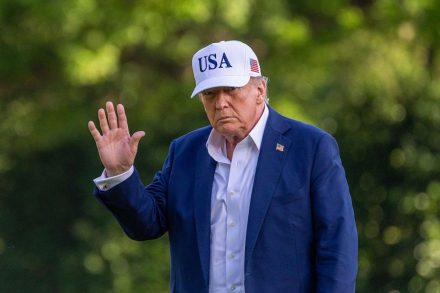
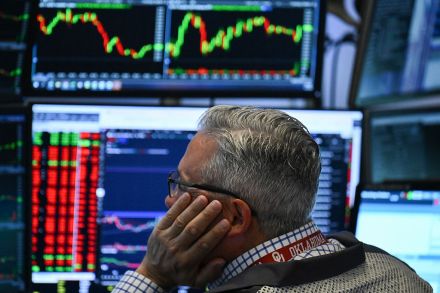
Donald Trump has already caved in on tariffs, pausing the ‘retaliatory levies’ he announced on 'Liberation Day' at the beginning of April. Now the President is under pressure from the markets on spending. As his 'Big, Beautiful Bill' on the budget goes through Congress, investors are panicking over the mix of spending and tax cuts, with bond yields spiking sharply upwards and equities falling. President Trump will now have to decide whether to yield to Wall Street again – or tough out a potential crash.  The US remains the biggest economy in the world, so investors cannot abandon it completely The post-tariff recovery on Wall Street came to a juddering halt yesterday.

David Lammy is wrong to halt trade talks with Israel

In recent weeks, Britain has wrapped up trade deals with India and the United States and is on the lookout for new agreements. Keir Starmer has agreed a ‘re-set’ with the European Union that will make it slightly easier to export goods across the continent. It has been a good few weeks for ‘Global Britain’. There is, however, one country that the Labour government does not want to trade with: Israel. Turning our back on our great ally in the Middle East is a mistake. Israel is a country we could, and should, do a lot of business with. But instead of bringing 'Global Britain' to the Jewish State, Foreign Secretary David Lammy would prefer to spout platitudes. In parliament yesterday, Lammy called the military escalation in Gaza ‘morally unjustifiable’.

The City backlash against Reform has begun

It will be like Liz Truss on roller skates. The next election may still be four years away, and the manifestos still need to be fleshed out. Even so, the City has already started issuing stark warnings of a run on the pound if there is a Reform government led by Nigel Farage as Prime Minister. Of course, it is a measure of how far the party has come that the City is taking it seriously. The trouble is, there is also an element of truth in it. Reform would face a huge backlash in the markets – and the party will have to be ready for it.

When will the EU do a deal with Trump?

China has wrapped up a pretty good trade deal. The UK has managed to agree to lift some of the US tariffs. With President Trump touring the Gulf states this week, they may soon have an arrangement in place, especially as Qatar took the precaution of gifting the president a new 747. Japan may well have something signed over the next few weeks. There is just one exception. Where is the EU’s deal? President Trump has described the EU as ‘nastier than China’ Despite the panic last month, it looks like the global trading system will soon be back to relative normal. The US and China, the two largest economies in the world, have called a truce, lowering tariffs on both sides.

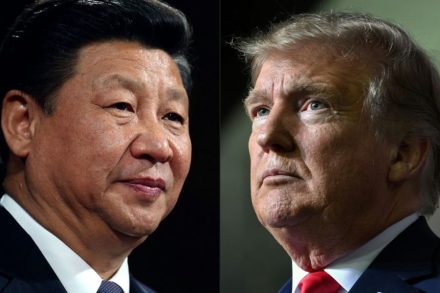
China has won the trade war with Trump

This weekend, the United States struck a deal with China that will see American tariffs on Beijing's exports come back down to manageable levels again, while China will lower its levies on imports from the US. The giant container ports on both sides of the Pacific can now be re-opened. The factories across China can get back to work, and Wal-Mart and Target can start placing orders again. The global economy can start moving once more – but significantly, it will very quickly become clear who has won the tariff war: China. The deal that was announced this morning in Switzerland, where negotiations took place, by the US Treasury Secretary Scott Bessant appears very simple.

Is Starmer’s Trump trade deal the win he thinks it is?

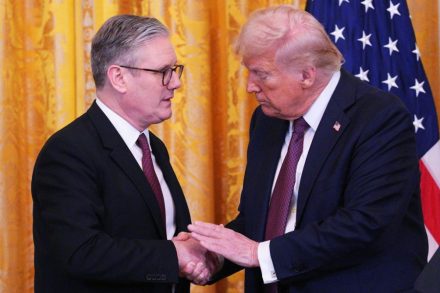
Keir Starmer says it is a 'fantastic, historic' day after signing a trade deal with the United States, but is the agreement really something to celebrate? Ten per cent tariffs, announced last month, still apply to most UK goods entering the US The government is no doubt cock-a-hoop to be the first country to get a trade deal with President Donald Trump over the line, and there are a few wins: tariffs will come down for cars, steel, and potentially for pharmaceuticals, exempting UK exporters from the worst of the tariffs imposed on the oddly-named ‘Liberation Day’.

Goodbye Warren Buffett

It was a mark of respect. After Warren Buffett, who can lay claim to the title of the greatest investor of all time, told his army of loyal shareholders over the weekend that he was finally stepping down from the Berkshire Hathaway empire he has built over the last six decades, the firm’s shares fell 5 per cent when trading opened on Wall Street. Buffett, however, is 94. It should not have come as a surprise to anyone that he was retiring. In fact, the fall proves once again the central insight on which Buffett has built his remarkable career – the markets are not as efficient as they think they are. His retirement should’ve been expected It is not hard to understand why the shares fell.

This Indian trade deal could be a disaster for Labour

It should have been a triumph. We might not have managed to get a trade with the United States over the line, and we are still waiting for the long-promised ‘reset’ with the European Union. But the Labour government has managed to complete a major trade deal with India, and that should prove a significant boost for the British economy. There is just one catch. By clumsily exempting temporary Indian workers from National Insurance contributions Sir Keir Starmer has blown it – and the deal will be permanently tarnished.  By clumsily exempting temporary Indian workers from National Insurance contributions Sir Keir Starmer has blown it The US may remain the biggest prize, but India is not far behind.

Will falling interest rates save Rachel Reeves?

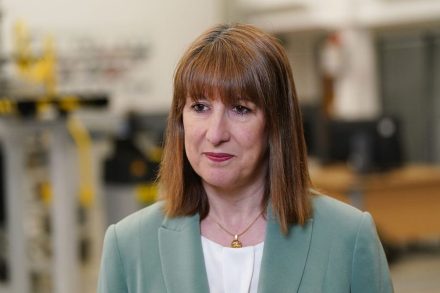
There is not much that Chancellor Rachel Reeves can look forward to right now. The Labour party has just been hammered in the local elections. The economy has stagnated, and government borrowing has started to spiral out of control. There is, however, this: the City now expects interest rates to start falling at the fastest pace since the financial crisis a decade and a half ago. There is just one catch: it probably won’t be enough to save Reeves's failing chancellorship. The Bank of England is widely expected to cut interest rates from 4.5 per cent to 4.25 per cent next week. Even better, the consensus among City forecasters is that we will see a series of rate cuts over the next six months that will bring rates below 3 per cent by the end of the year.

Have the markets stopped caring about Trump’s tariffs?

President Trump’s imposition of huge tariffs on everything America imports on 'Liberation Day' at the start of this month has been widely condemned as one of the worst economic policy blunders of all time. There were fears the stock market would collapse. Investors are abandoning the United States for Europe. And the country is about to be plunged into stagflation. But something odd has happened. If you look at a stock market chart, basically nothing happened in April. Could it be that the markets have already decided that Trump's tariffs don’t matter very much after all? The stock market has got over their shock at the tariffs As April comes to a close, it looks as if it will have been a ‘meh’ month for investors.

Why Merz’s free US-EU trade idea is a non-starter

Ever since President Trump started his tariff war earlier this month, the European Union's response has been surprisingly clear. It should retaliate with tariffs of its own. It should focus on its own economic sovereignty. And it should make sure that targeted American industries feel the consequences. In other words, it should hit back, and hit back hard. And yet the incoming German chancellor Friedrich Merz has proposed a very different response: a grand Atlantic free trade pact. But can he convince Brussels to get on board? It is certainly a break from the past for the man who next week will take over as Europe’s most significant politician.

Has Rachel Reeves blown her shot at a US trade deal?

The pictures of a triumphant Rachel Reeves holding aloft a US trade deal as she boards a plane home from Washington should have been all over the front pages this morning. After spending the weekend in Washington, and with a personal meeting with the US Treasury Secretary Scott Bessent, the advance briefings were that a deal with the US was very close. Instead, there are now warnings from Pat McFadden that it may take longer than expected. Has Labour blown the chance to sign the first trade accord with the Trump White House? A chance like this is unlikely to come again.  A trade deal with America was never completely in the bag.

Can Rachel Reeves get a US trade deal over the line?

As the Chancellor Rachel Reeves flies into Washington for a series of high-level meetings, there is lots of spin from the Treasury that she is about to tie up a trade deal with the United States. The plan is that it would save the UK from tariffs and may even give a much needed boost to the British economy. But all the evidence we have tells us that Reeves is a terrible negotiator who constantly overestimates her own abilities. It is far more likely she will blow the deal at the last minute.  It hardly sounds like a very promising meeting. On Friday, Reeves is due to meet with President Trump’s Treasury Secretary Scott Bessent.

Donald Trump has bowed to the markets

A deal will be worked out with China to reduce the tariffs. The chairman of the Federal Reserve won’t be fired. Over the last 24 hours, President Trump has softened his stance on two key planks of his economic policy. It is not hard to work out why. For all the bluster, Trump is ultimately a pragmatist – and that makes him a president the financial markets will live with.  The financial markets have soared today, and the dollar has recovered, while gold, the safe haven in troubled times, has dropped by $100 an ounce. The reason? A dramatic shift in American policy.

Trump won’t win against the Fed

President Trump yesterday escalated his attacks on the Chairman of the Federal Reserve Jerome Powell over his reluctance to cut interest rates, prompting a fresh plunge on Wall Street. The President may appear determined to cut his central banker down to size. And yet the reality is that Powell is completely right not to cut rates – and the President won’t be able to fight the Fed forever. ‘There can be a SLOWING of the economy unless Mr. Too Late, a major loser, lowers interest rates, NOW,’ Trump said on Truth Social, his social media network, yesterday. It was the latest in a series of bitter attacks on Powell for holding rates steady even as there are signs the US is sliding into a recession.

Can Starmer sell a US trade deal to UK business?

The White House reportedly expects that a trade deal between the United States and the UK could be signed within the next few weeks. This should be a big deal, at least for the small island if not for the world’s biggest economy. There could be a grand signing ceremony at Buckingham Palace. Or at a state visit to parliament by President Donald Trump. Or, if nothing else, perhaps Paddington Bear could put in an appearance to boost marmalade exports. But there is just one catch. It will have to be sold to the public and business alike – and that will be very hard for the bitterly anti-Trump Starmer government. The final form of this supposed trade deal with the US has yet to be revealed.