Martin Vander Weyer

Martin Vander Weyer

Martin Vander Weyer is business editor of The Spectator. He writes the weekly Any Other Business column.

Innovator of the Year Awards: Bristol and Birmingham

34 min listen

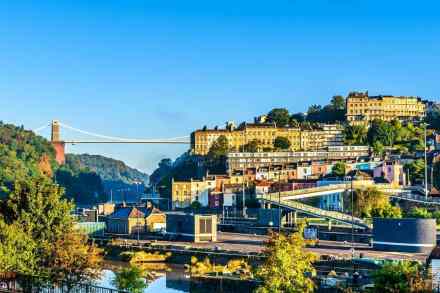
For this year's Midlands and Southwest Innovator of the Year Awards, the judges met four finalists at each region respectively. These eight finalists were shortlisted down from a record 176 applications.In Birmingham, the finalists in this podcast were MoM incubators, Hybrid Air Vehicles and Bambino Mio. The judges, Martin Vander Weyer, business editor of The Spectator met Steve Hewitt, non-executive director of Gymshark; Clive Bawden, COO of Warwick Music and former finalist of the Innovator of the Year Awards and Michelle White representing Investec.The judges faced the tough task of comparing businesses in very different sectors and stages of development. But all four made compelling pitches – and the variety of entries is part of the fun of these awards.

The truth about corporate taxes

I’ve chosen to write about corporate tax rates this week not because they’re the sexiest subject available but because – unlike the government’s frontbench, the value of the pound and the scale of winter fuel bills – they’re unlikely to change dramatically during the shelf-life of this column. An increase in corporation tax from 19 per cent to 25 per cent, originally announced by Rishi Sunak, will go ahead in April, despite new Chancellor Jeremy Hunt’s own leadership campaign pledge to cut the rate to 15 per cent, which would have placed the UK between Ireland and Singapore in competitive tax tables. The uplift will, we’re told, tip £19 billion (based on HMRC’s reckoner of £3.

Innovator of the Year Awards: Manchester

28 min listen

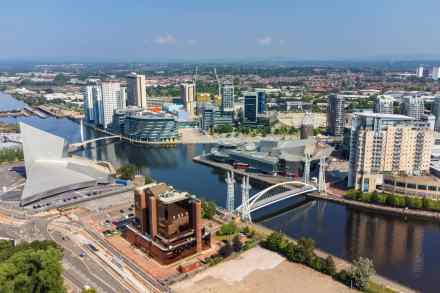
This year’s regional podcast series for The Spectator’s Economic Innovator of the Year Awards kicked off with a fascinating lunch at The Ivy Cafe in Manchester. We invited four finalists for the North West region — out of a record total of 176 across the whole of the UK — to pitch their ventures to our distinguished panel of judges. The finalists you’ll hear about on this podcast are: LoveRaw which makes vegan chocolate; Ordo which makes electric toothbrushes; Interact, which drives energy efficiency in data centres and IT systems; and Better2Know, which provides sexual health testing services.

Innovator of the Year Awards: Leeds

23 min listen

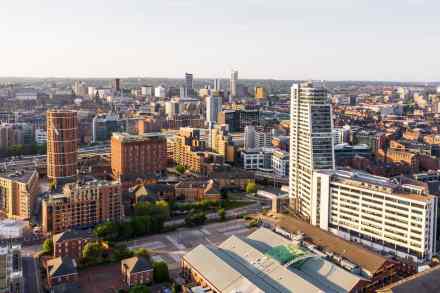
For the next round of The Spectator’s Economic Innovator of the Year Awards sponsored by Investec, we met in Leeds at the Dakota hotel and restaurant.For the Yorkshire and Northeast region, three finalists joined us for lunch — out of a record total of 176 entries across the whole of the UK — to pitch their ventures to our distinguished panel of judges. The finalists you’ll hear about on this podcast are: Testcard, in the healthcare sector; MudDaddy, a portable dog shower and Tofooco. After lunch, we also met Powersheds via Zoom who couldn’t make it to the pitching lunch.The judges were Gordon Black, venture capitalist and former manufacturer; Caroline Theobald, entrepreneur and chair of the Newcastle Business School at Northumbria University.

Innovator of the Year Awards: Edinburgh

26 min listen

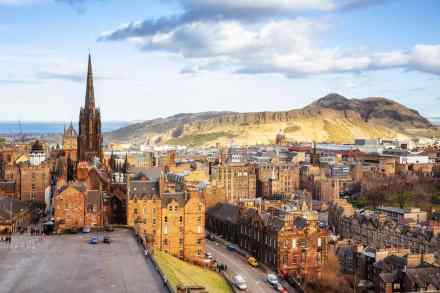
The second regional podcast for The Spectator’s Economic Innovator of the Year Award sponsored by Investec was set in the picturesque city of Edinburgh where the judges and finalists met for lunch at the Dome on George Street. We invited four finalists for the Scotland and Northern Ireland region — out of a record total of 176 across the whole of the UK — to pitch their ventures to our distinguished panel of judges. The finalists you’ll hear about on this podcast are: Cardinal Analytics a fintech business that predicts when enterprises are about to go bankrupt; MacRebur a novel invention for road surfacing; Roslin Technologies which make lab-grown meat; and Synaptec which work in manufacturing for fault sensors in power networks.

A house-price crash won’t be the only effect of the Kwarteng calamity

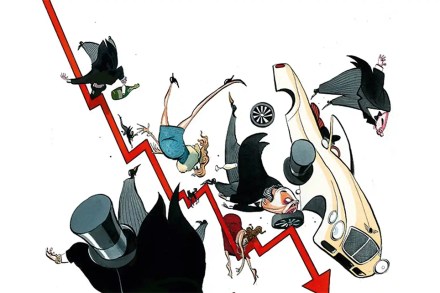
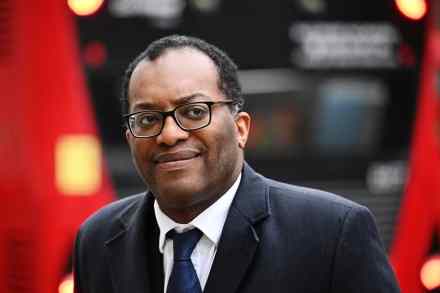
Where next for house prices? Clearly, they’re going down as mortgage rates go up – and my forecast in May that they would shed ‘recent froth’ and then stagnate rather than plunge, has been entirely overtaken by events, or at least by Kwasi Kwarteng’s calamitous ‘fiscal event’ last month. Reverberations from the Chancellor’s debut continue apace, with more emergency bond-buying by the Bank of England despite news that the OBR-assessed forecast missing from his September speech will now be unveiled on 31 October instead of on 23 November.

Is Credit Suisse the tornado on the banking horizon?

Headlines about ‘alarm over CreditSuisse’ might be read as a sign of normality in financial news, rather than the reverse. The second-ranked Swiss bank (behind UBS) has slipped on so many banana skins in recent years that, as I wrote in February: ‘I sometimes wonder how and why it survives.’ As a recognised basket-case, its difficulties are not usually seen as harbingers of systemic trouble. But in the Kwarteng-induced febrile mood of London’s markets, the question has to be asked. This is October, the devil’s favourite month for provoking crashes. Could Credit Suisse be the tornado on banking’s horizon? Amid rumours of critical balance-sheet weakness, Credit Suisse’s shares have fallen 60 per cent this year.

City slickers’ reaction to Kwarteng’s unfunded plan is entirely rational

‘Fury at the City slickers betting against UK plc,’ shouted the Daily Mail on Tuesday, after Monday’s mayhem saw the pound hit an all-time low of $1.03. A more accurate corporate metaphor, though less punchy as headline material, would have been something like this… Activist mavericks seize boardroom control of giant sluggish utility. Novice finance director slashes prices, raises dividends for rich shareholders, shuns in-house forecasters and says he’ll borrow whatever it costs. To which markets reply: ‘Blimey, mate, that’s bonkers. So we’re dumping your shares and the cost of your debt just doubled.’ And that, I’m afraid, is an entirely rational response, not a wickedly speculative one.

Is this really the moment to scrap bankers’ bonuses?

Chancellor Kwasi Kwarteng – keen to sharpen the City’s competitive edge, we’re told – wants to remove the legislative cap, imported from Brussels in 2014, that limits bankers’ bonuses to 100 per cent of their base salary, or up to 200 per cent with shareholder approval. That raises interesting questions. Was the cap a good idea in the first place? If not, why wasn’t it binned as soon as we left the EU? Is now the ideal moment to do so? And are bankers still a breed of greedy bastards? The answer to the first question is certainly not. This column called the cap a ‘boneheaded’ measure that would merely provoke wily moneymen to find ways of gaming an unwelcome restraint on their wealth.

Let’s see some energy policy action

At His Majesty’s Treasury, it’s all looking a bit like Year Zero in revolutionary Cambodia. Kwasi Kwarteng’s first act was to sack the respected but ‘orthodox’ permanent secretary Sir Tom Scholar. Now the FT reports the Chancellor ordering underlings to focus ‘entirely on growth’, presumably at the expense of financial discipline. I’m picturing a locked basement of fearful officials labouring under Kwarteng’s lash to translate his forthcoming ‘fiscal event’ – tax cuts on top of massive spending to cap energy bills and unlimited borrowing to pay for it – into the sort of Whitehall language that might make it sound reasonable.

Can anything halt the pound’s fall?

My predecessor Christopher Fildes looked at exchange rates through a cocktail glass: three negronis for the Italian lira equivalent of a tenner, good; a $2 martini for £1, even better. That latter ratio applied briefly 30 years ago when, he wrote, the favoured tipple ‘brushed against my lips like an angel’s kiss’. It recurred during the financial crisis of 2007-08, when no one was really able to enjoy it, and has never been seen since. On Monday, as Liz Truss was crowned, the pound dipped below $1.15, in sight of its 1985 all-time low of $1.05. ‘The prospect of …parity versus the dollar,’ said Bloomberg, ‘is becoming ever less outlandish.’ What cocktail of misfortunes brought us to this?

Will energy bills kill off working from home?

‘The jury’s out’, was Liz Truss’s pert response to the question ‘Macron: friend or foe?’ at last week’s Norwich hustings. ‘I’ll judge him on deeds not words.’ In a video clip of the event you can see a bald bloke in the second row applauding wildly, as if she had just delivered from memory the whole of Henry V’s speech before Agincourt. Hard to know which is worse: whether as Foreign Secretary she thinks it’s shrewd diplomacy to cast doubt on the bona fides of our nearest ally and Europe’s only current statesman; or whether, even with victory in the bag, she’ll say anything to win the vote of every last backwoods xenophobe in the Tory party.

‘Good’s never going to triumph’: the makers of BBC show Industry on bad bankers

Finance in screen fiction is a realm of monsters. From Gordon Gekko in Wall Street and Patrick Bateman in American Psycho to the crazed party animals of The Wolf of Wall Street, the arena of deal-making is portrayed – particularly in America – as winner-take-all without trace of empathy or redemption. Industry – the British-made television drama that follows a group of young bankers competing on a City trading floor whose second series airs on BBC1 later this month – is a more subtle example of the genre. Its characters are not monstrous but they are all flawed, ruthlessly transactional in their dealings with each other, and frankly hard to like. There aren’t any nice guys.

It’s time to clear out the Bank of England’s board

Liz Truss says she intends to review the Bank of England’s mandate, which has been fixed as a 2 per cent inflation target since Gordon Brown gave the Bank its independence in 1997. We’re told Governor Andrew Bailey, keen to keep his job, thinks a review is ‘probably the right thing’. But is it? A return to the long-term inflationary average of 2 per cent is highly desirable as soon as global price spikes subside – but if the odds-on next PM thinks the Bank incapable of achieving it, setting more dynamic inflation-and-growth objectives would surely be an overreach. Instead, maybe she should take her axe to the organisation, starting with the Bank’s board of directors, known as the Court.

Blaming Saudi Arabia won’t make energy cheaper

From our US edition

How outraged should we be that Saudi Aramco has reported a world-record quarterly profit of $48 billion, representing a giant bonus from the global oil price spike provoked by the war in Ukraine? Well, that’s how the cookie crumbles when you’re sitting on oil reserves so abundant and so easily accessible that your marginal cost of producing the next barrel is less than $10 when the market price has just doubled to $130 — as it did in March, before settling back to around $95 today. And you might think that this recent price retreat is likely to continue as oil demand begins to shrink with the onset of recession in developed economies – just as you worry that your own reserves will one day dwindle.

saudi arabia

Blaming Saudi won’t make energy cheaper

How outraged should we be that Saudi Aramco has reported a world-record quarterly profit of $48 billion, representing a giant bonus from the global oil price spike provoked by the war in Ukraine? Well, that’s how the cookie crumbles when you’re sitting on oil reserves so abundant and so easily accessible that your marginal cost of producing the next barrel is less than $10 when the market price has just doubled to $130 – as it did in March, before settling back to around $95 today. And you might think that this recent price retreat is likely to continue as oil demand begins to shrink with the onset of recession in developed economies – just as you worry that your own reserves will one day dwindle.

How to save money: switch to cash and reprogram your boiler

We’ll find out shortly whether official statistics agree with economists surveyed by Bloomberg who say UK GDP probably shrank by 0.2 per cent in the second quarter. But at an uncomfortable moment when we know things can only get worse, looking backwards doesn’t help and nor does holding out hope for a miraculous ‘emergency budget’ in September. As for forecasting beyond that, it’s almost too scary to contemplate. Better to shun economists and politicians and focus instead on facts that tell us what’s happening now – such as data from Barclaycard – and things we can do keep our own budgets in balance.

Why British Gas’s owner is right to restore its dividend

‘What’s worse, they’re paying the profits to shareholders,’ said a grey-haired woman ahead of me in the Co-op queue. ‘Bloody shareholders,’ her friend of similar age and class spat back. I guessed they were talking about Centrica, parent of British Gas, which at a time when domestic energy bills are rising 23 times faster than wages (as Frances O’Grady of the TUC puts it) has announced half-year operating profits of £1.3 billion, up from £262 million last year – and the restoration of a penny-per-share interim dividend after a three-year gap. Both ladies looked likely to be beneficiaries of pensions nourished by dividends from the likes of Centrica, Shell and BP.

How to save Royal Mail

The government’s ‘cost-of-living tsar’, Just Eat co-founder David Buttress, was appointed last month as a Canutian gesture against the inflation tide. He says his role is to encourage retailers and utilities to offer discount deals that might relieve short-term pain for consumers. But wouldn’t it be good if he also had powers to shame companies or sectors for profiteering by whacking their prices up far ahead of inflation? Any firm for which energy or scarce raw materials are major cost elements has possible reason for scorching price rises; many others do not.