Katy Balls

Katy Balls

Katy Balls is The Spectator’s former political editor.

MPs get cold feet over second referendum amendment

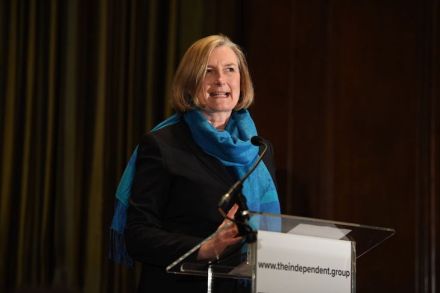
This evening, MPs have a chance to try and take control of Brexit by voting on a series of amendments to a government motion on extending Article 50. With Theresa May struggling to keep any semblance of control after her deal was voted down for a second time on Tuesday evening, there is a real worry in government that May could be heading for her third consecutive Commons defeat in as many days. Among the amendments to be voted on are a call for indicative votes on Brexit scenarios, an Article 50 extension accompanied by a promise to rethink the current strategy and a pledge for a second referendum. To the surprise of many, John Bercow selected TIG MP Sarah Wollaston's second referendum amendment calling for the government to bring legislation for a public vote with Remain as an option.
Will there be an election?

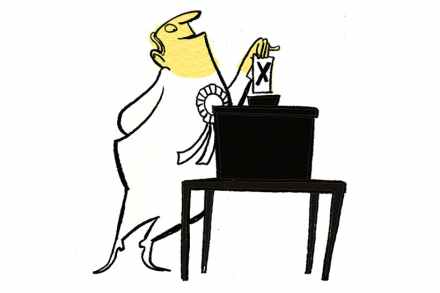
When a British government loses control over parliament, the natural remedy is to hold a general election. Why prolong everyone’s agony? But despite Theresa May having now failed twice to pass her signature Brexit deal, there is no sign she is willing to go back to the country. Jeremy Corbyn is keen for an early election to break the deadlock and others are beginning to agree with him. Asked this week what would happen if the government’s deal was rejected for a second time, a cabinet minister replied: ‘an election in two weeks’ time’. It’s a sentiment shared by Charles Walker, the vice chair of the 1922 Committee of backbench Tories.

The latest government shambles could help May pass her deal

This evening Theresa May's week went from awful to terrible. After her deal was heavily defeated for a second time on Tuesday night, the Prime Minister had planned to placate MPs by offering them a free vote on whether they wished to try and rule out a no deal Brexit. As Isabel reports on Coffee House, that plan soon backfired. A backbench amendment from Tory MP Caroline Spelman to try and rule out no deal in more explicit terms than the government's motion passed by four votes. At that point, the government changed its voting strategy and whipped its MPs to vote against the motion – effectively voting to keep no deal as an option. This led to much confusion in the voting lobbies.

European Research Group split over vote on May’s revamped deal

How heavily will Theresa May's deal be defeated this evening? After the DUP announced that they would not be backing the deal in light of the new concessions, it looks near impossible for it to pass this evening. However, there is still much to play for when it comes to managing the size of the defeat. The so-called 'star chamber' of Brexiteer legal minds have said that the changes to the deal fall short of what was asked of May. This is in line with the Attorney General's legal advice – which warned the risk of being trapped in the backstop remained. Yet despite this there has been a steady drip of Leave MPs who voted against the deal last time coming out to say that this time they will be backing it (see Steerpike's rolling list here).

Geoffrey Cox’s legal verdict deals big blow to May’s revamped deal

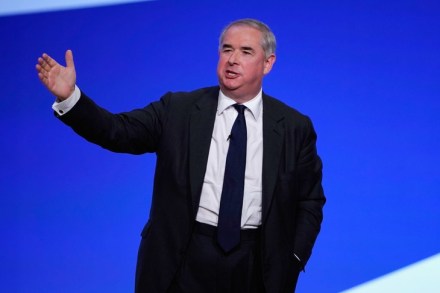
In a rare interview over the weekend, Attorney General Geoffrey Cox told the Mail on Sunday that he would not be pushed into giving dubious legal advice on the backstop. He said he would 'not change' his opinion unless he was certain there was 'no legal risk of us being indefinitely detained in the backstop'; ‘My professional reputation is far more important to me than my reputation as a politician. If the risk of being trapped in the backstop had not been removed, then I would make it as clear and plain and in exactly the same way as I did on November 13.’ Today that promise has come to fruition and unfortunately for Theresa May, Cox's honesty could spell curtains for her Brexit deal. No. 10 were pessimistic last night over whether the concessions would be enough for Cox.

What Theresa May needs to go right today to avoid another historic defeat

In order to turn things around with her Brexit deal, Theresa May needs a domino effect. She needs to somehow get 116 MPs to change their vote from last time and back her deal. If the Prime Minister is to have any chance of passing her deal – or significantly reducing the scale of the defeat from 230 votes – May must first convince the DUP that the legally-binding concessions she has secured from Brussels are enough to stop the backstop from becoming permanent. The Attorney General's legal advice could prove pivotal in the matter (and there are doubts in government that he will change it) – though given that Nigel Dodds is a respected legal mind, the DUP's Westminster leader's verdict will be just as important.

Brexit breakthrough? Lidington tries to woo MPs with ‘legally binding changes’

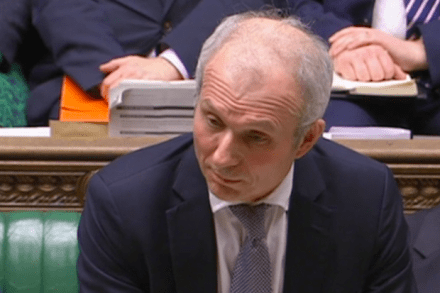
There's long been a view among senior Brexiteers that the way the EU and UK would agree a deal would be by running the negotiations down to the wire and Brussels offering a last minute concession. This appeared to be the strategy in play on Monday night as Theresa May found herself locked in talks on changes to the backstop in Strasbourg with less than 24 hours to go until her deal is due to be voted on in the Commons. In turn, David Lidington was given the undesirable task of addressing frustrated MP in the Chamber. Theresa May's de facto deputy adopted an apologetic tone at the despatch box – apologising first for the lack of prior notice to his statement and then saying sorry for not being able to offer MPs a complete update on the negotiations which are ongoing.

Women With Balls podcast: the Jess Phillips edition

When Jess Phillips first entered parliament in 2015, she quickly made the headlines after she told Diane Abbott to 'f--- off' when they had a disagreement over whether Jeremy Corbyn had appointed enough women to his shadow cabinet. Since then, Phillips is frequently in the news for speaking up on the political issues she cares about – recently going viral for a speech on olives in which she lambasted the government for earnings caps on immigrants. I'm delighted to have Phillips as a guest on The Spectator's Women With Balls podcast. When we spoke last month, we discussed what it's like to go viral, growing up in a political family and her perspective on class in Westminster.

Barnier offers May a non-concession on the backstop

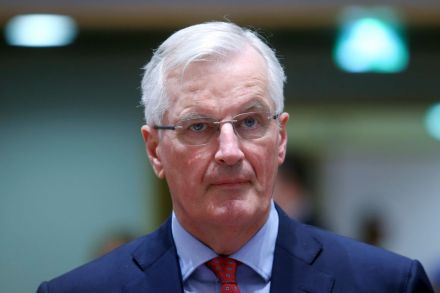
After weeks of speculation, Michel Barnier has finally revealed the concession Brussels is willing to grant Theresa May on the backstop. The only problem is one could argue it's not actually a concession. Instead, it's the Northern Ireland-only backstop the UK negotiating team previously vetoed. This afternoon the EU’s chief Brexit negotiator told ambassadors the EU is willing to give Britain a unilateral exit from the UK-wide parts of the backstop plan for Northern Ireland. He has since taken to social media to set out exactly what the EU is offering: https://twitter.

Theresa May’s latest Brexit speech only highlights the government’s problems

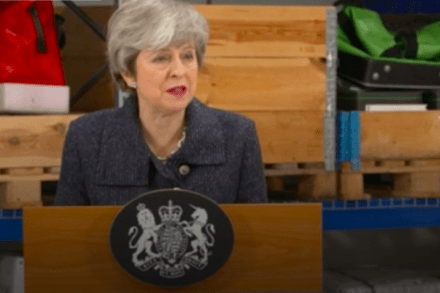
Theresa May is in Grimsby today putting in a last ditch effort to convince MPs to back her deal when it returns to the House of Commons on Tuesday. The view in both Downing Street and the Cabinet is that as things stand it will be rejected for a second time. With no concession on the backstop as of yet from Brussels, there is little chance of Brexiteers rallying around the Prime Minister's deal. May's speech this lunchtime has only served to hammer this point home. The Prime Minister used the set piece to turn her ire on Brussels for the lack of progress. May warned EU leaders that it wasn't just MPs who have a choice to make – the EU must too: 'Just as MPs will face a big choice next week, the EU has to make a choice too. We are both participants in this process.

The Mary Curnock Cook Edition

27 min listen

Mary Curnock Cook is an educationalist and former head of Ucas. On this podcast, she talks about leaving school at 16, how boys suffer from the real gender gap in education, and why it would be 'ludicrous' to abolish university tuition fees. Presented by Katy Balls.

Why Brexiteers aren’t backing down

Geoffrey Cox is in Brussels attempting to achieve a breakthrough on the backstop. So far, the Attorney General's efforts have not gone entirely to plan – with the word in Brussels that the first night of talks with Michel Barnier went badly. If Cox cannot win a significant concession on the backstop that will allow him to change his legal advice, there is little chance of Theresa May's deal passing next week. However, even if he is successful in his aim there's a chance it won't be enough to win over Tory eurosceptics. As I write in the i paper, there is an increasing pessimism within the Cabinet that May can pass her deal next week. There are rebels returning to the fold, but at nothing like the speed that would be needed to reverse a 230-vote defeat.

Are Brexiteer MPs really softening their opposition to May’s deal?

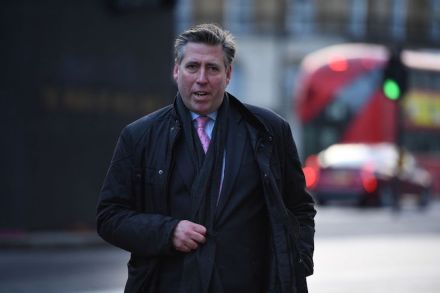
Are Brexiteer MPs about to row in behind May’s deal? This is the question that has dominated the weekend's papers with speculation rising that the threat of a delay to Brexit – or no Brexit – means the European Research Group (ERG) are ready to soften their red lines. Sir Graham Brady – chair of the 1922 committee of Conservative backbenchers – has used an op-ed in the Mail on Sunday to say that he is now ready to back the Prime Minister's deal – so long as the 'right compromise is offered'. The Sunday Times splashes 'Brexiteers offer peace terms to May' with news of three tests the ERG will use to test out what ever concession the government returns from Brussels with.

George Eustice resigns – will more Leave-voting ministers follow?

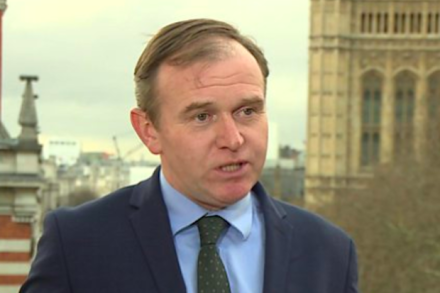
When the week began, there was speculation that a group of ministers would resign over Theresa May's Brexit stance. The Prime Minister had been warned that up to 22 members of government could quit unless she promised the chance for MPs to extend Article 50 if no deal looks likely. In the end, May blinked and paved the way for such a vote if her deal is rejected in two weeks' time. However, that decision has led to a government resignation that few were expecting. This afternoon George Eustice resigned as Defra minister over May's promise to allow MPs a vote on delaying Brexit if her deal is rejected.

Government score an own goal on citizens’ rights resignation

This evening the government accepted an amendment to ensure the EU citizens’ rights package in the Withdrawal Agreement still stands if the U.K. leaves without a deal. The amendment tabled by Tory MP Alberto Costa won widespread support in the Commons – an endorsement from the Home Secretary and was eventually taken on by No 10. Despite this, Costa will head home this evening having left his role as a Parliamentary Private Secretary for the Scotland Office. Costa tended his resignation earlier today as PPSs are not supposed to put down amendments. I understand Costa was asked whether he still wanted the amendment to be in his name – he said he did and thereby resigned. On a procedural level this is all above board.

May offers MPs a vote to prevent no-deal Brexit

Faced with the prospect of defeat on an amendment to stop no deal, Theresa May has attempted to stave off that rebellion by promising MPs a vote to stop a no-deal Brexit. After a long and fiery Cabinet (James has the details here), the Prime Minister addressed the House to update MPs on her government's progress in the negotiations. She said that Geoffrey Cox was working with Brussels to win changes to the backstop and reconfirmed her promise to hold a meaningful vote on her deal by 12 March. However, should her deal be rejected by the House for a second time, May promised to hold a vote by 13 March on whether this House supports the UK leaving without a deal.

Sparks fly at Parliamentary Labour Party meeting on second referendum

Jeremy Corbyn's announcement that the Labour party is prepared to back another EU referendum to prevent a 'damaging Tory Brexit' was intended to placate Remain-leaning MPs. However, it's also managed to irk those Labour politicians representing Leave seats. Tonight MPs gathered for a fiery meeting of the Parliamentary Labour Party. It was standing room only as MPs crowded in to try and make sense of the latest Brexit development. Addressing MPs, Jeremy Corbyn struck a conciliatory tone – and according to a former shadow cabinet member present he gave one of his best speeches to date as he called on the party to come together.

How can the government avoid defeat this week?

Theresa May begins the week with a chunk of her party growing increasingly frustrated with her handling of Brexit. The Prime Minister announced over the weekend that she would not bring her deal back to be voted on in the coming days – instead she has promised to hold a second meaningful vote by March 12. This has led to accusations of can-kicking from members across the House. However, May has grown used to such criticism – the thing No. 10 is worried about is whether ministers will be so dismayed by the move that they vote for an amendment on Wednesday which seeks to force the government to take the option of no deal off the table. On Wednesday, MPs are due to vote on a series of amendments to May's Brexit plan.

The Andrea Leadsom Edition

28 min listen

Katy Balls talks to Leader of the House of Commons, Andrea Leadsom, about her childhood ambitions to prevent nuclear war, giving birth the night before a selection meeting, and going head to head with John Bercow in the Commons.

Cabinet ministers look to May for Theresa May’s exit date

Theresa May is currently busy trying to work out a way to get her Brexit deal through Parliament. Should the Prime Minister succeed in the coming weeks, No. 10 will then move to the daunting task of somehow getting all the accompanying legislation through. Both of these tasks are regarded as incredibly difficult yet even if May does succeed on both counts, she will receive little in the way of peace as a reward. Talk in government has already turned to May's exit date. Although the Prime Minister is technically immune from challenge for a year after winning a December confidence vote, ministers believe she will go before the year is out. In some quarters, members of government are eyeing up as swift an exit for the Prime Minister as the end of May.