Kate Andrews

Kate Andrews

Kate Andrews is deputy editor of The Spectator’s World edition.

OBR analysis reveals staggering impact of Covid-19 on UK economy

Just days after the Office for Budget Responsibility announced its economic forecasts in March, the reality of Covid-19’s impact on the UK economy sunk in, and its projection was rendered completely obsolete. A month later, with a clearer picture of the toll the virus and lockdown have taken, the OBR today released its new coronavirus analysis, showing a staggering 35 per fall in real GDP in the second quarter, and an unemployment spike of up to 10 per cent – that is, 2 million additional people out of work.

Easter Sunday puts the trade-offs of the lockdown into perspective

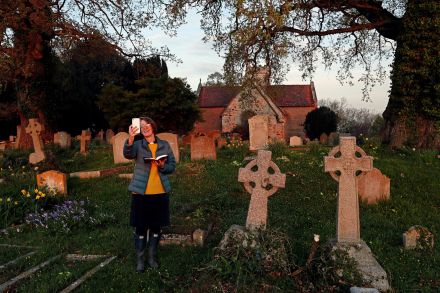
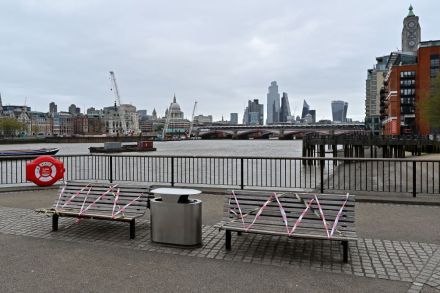
Perhaps today, more so than any day before it, we understand the trade-offs of this lockdown. An Easter Sunday that would normally be spent with loved ones will be spent by many people alone. Churches are a no-go zone. Friends who live down the street feel miles away. Family traditions and big meals are, at best, shared together on video apps – for others, they’re on hold until next year. These are the harsh realities of the lockdown, designed to slow the spread of a deadly pandemic. But the vast majority of us understand why it’s so important to stay inside right now – and are willing to keep doing so.

Sunak bails out charities – but are his measures actually working?

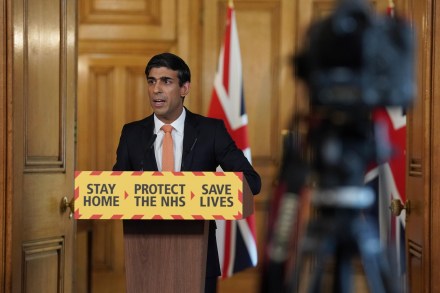
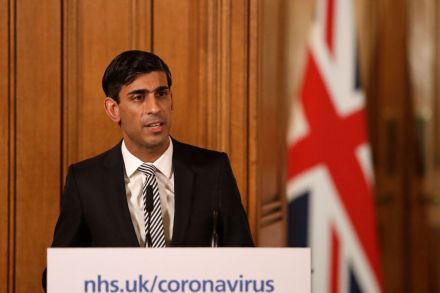
At Wednesday's coronavirus briefing, Chancellor Rishi Sunak turned his attention (and the Treasury’s coffers) to the charity sector, which will receive £750 million to support vital services for the community. The money will be divided between small, local charities working with vulnerable people and charities that provide ‘essential services,’ with Sunak citing St John Ambulance and the Citizens Advice bureau as two examples of potential beneficiaries. The support comes as organisations like Cancer Research announced in recent days that they would have to scale back their medical research due to a projected drop in donations on which they rely to keep their services going.

Will coronavirus usher in a new Conservatism?

15 min listen

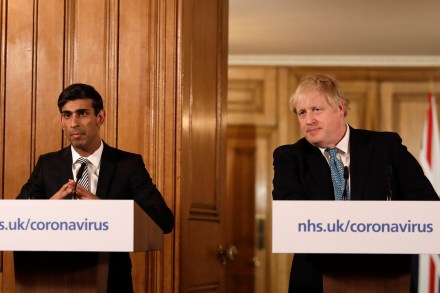
The Chancellor ended today's press briefing with the words: 'Our economic plan and the plan for charities we announced today are built on one simple idea: that we depend on each other.' On the podcast, James explains why he thinks coronavirus is the dawn of a new kind of Conservatism.

The unforeseen costs of Covid-19

Assumptions made about the UK’s Covid-19 support packages are starting to unravel. When the Chancellor announced unprecedented spending to tackle the virus, he aimed to keep people in their jobs and mitigate an inevitable economic crash. But unemployment is soaring and the economy is contracting at a rapid pace, with growth figures set to plummet further than they did during the financial crash, and possibly even below that of the Great Depression. Despite the government's measures, the economic effects are being acutely felt – and the Treasury’s coronavirus policies may have spurred on some unwanted activity of another sort.

Coronomics: Ordinary remedies won’t be enough for a surreal crash

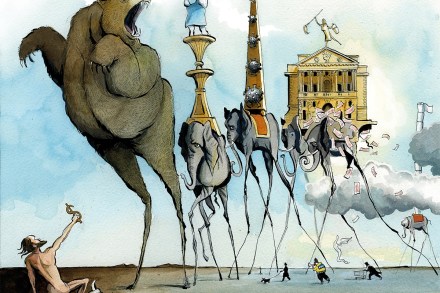
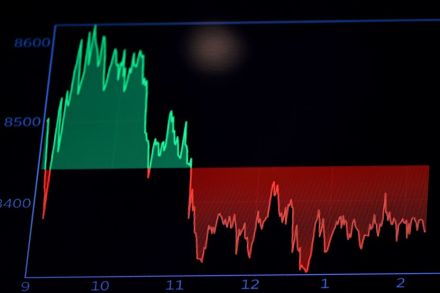
We have seen crashes before, recessions and depressions, but nothing like this. Our fear of coronavirus has hindered and halted every aspect of daily life. We look out of our windows and barely recognise the country we’re in: police film dog-walkers and pour black dye into lagoons to deter swimmers. We wait in queues for empty-shelved supermarkets. The stock market collapses, surges, then collapses again. None of the old rules make sense. Welcome to the world of Coronomics. If this were a normal recession, the remedy would be simple: encourage people to go out, spend money and boost the economy. But today’s public health concerns require the government to repress the economy, while trying to keep it afloat at the same time.

Coronavirus has already caused a huge spike in unemployment

In Britain and America, the employment news is grim. Nearly a million Brits – 850,000 more than usual – have applied for Universal Credit in the last fortnight. While in the United States, unemployment has reached an historic high. As of the end of last week, 6.6 million people claimed for out-of-work benefits. This is the highest increase in adjusted seasonal claims on record and is made even more astonishing when you consider that just four weeks ago fewer than 200,000 people applied for jobless benefits.  With every day that goes by, the health implications of Covid-19 are becoming clearer, as are the economic effects.

The Chancellor’s warning about the state of Britain’s finances

The Chancellor’s emergency package for the self-employed is one of the most generous schemes to be offered worldwide so far, covering up to 95 per cent of the UK's self-employed workforce. The details of the scheme, explained here, include a taxable grant worth up to 80 per cent of one’s profits over the past three years, capped at £2,500pm – notably on par with salaried workers who earn, on average, £340 more each month than self-employed workers. There were plenty of potential pitfalls and unnecessary giveaways the Treasury managed to dodge: wary of dishing out cash to super-wealthy contractors and consultants, the Chancellor has only opened the scheme to workers trading with profits up to £50,000.

Surge in US welfare claims shows the devastating impact of Covid-19

No one has modelled an economic lockdown before: no one knows what to expect. But the daily data is shocking, and points to a huge economic effect. In Britain, nearly 500,000 people applied for welfare (Universal Credit) over the last nine days. In America, the number of people applying for unemployment benefits surged to an unprecedented three million last week.  What has yet to be calculated (but urgently needs to be) is the human cost of all this We simply have not seen anything like this before, not even during the financial crash: the Covid crash has led to 3,283,000 claims - quadruple the previous record-high of around 700,000 in 1982.

Coronavirus looks set to hike UK unemployment rates – and skyrocket them in the eurozone

What does the coronavirus crisis mean for unemployment in the UK and Europe? A study out today from Capital Economics offers a possible answer and if it's bad news for Britain, its worse for those in the eurozone. Here in Britain, the huge economic consequences spurred on by the virus – which will see growth plunge in the second quarter of 2020 – are estimated to cause a sharp, albeit short, spike in unemployment: an estimated rise from 3.

Inside Rishi Sunak’s wage guarantee

In his third Covid bailout in just over a week, Chancellor Riski Sunak has shifted his focus from businesses to employees with an unprecedented three-month commitment to cover the bulk of pay for workers facing redundancy. He'll cover up to 80 per cent of all salaried workers’ wages (up to £2,500 per month, around the UK’s medium income). This is a blanket pledge, an unprecedented intervention on the part of the government that will see the state pay private businesses – big and small – to retain their employees for the foreseeable future.

Oxford Economics predicts a quick post-virus recovery – with one big caveat

Britain is midway through a deep recession: of that there is no doubt. But what next? Oxford Economics has today been one of the first to offer an answer, predicting a V-shaped economic recovery (sharp economic downturn and sharp economic revival) and near-complete economic repair. It is, of course, a guess: all forecasts are. But it’s one worth looking into in a bit more detail. All published economic forecasts pre-Covid-19 (including those accompanying the Chancellor’s Budget last week) are defunct, so this is an early test - one that factors in the Government's policy of ‘social distancing’ and the profound impact this has on business as usual. Oxford Economics has replaced its estimate of modest GDP growth of one per cent to a prediction of a fall of 1.

Andrew Bailey’s stark warning about the coronavirus ’emergency’

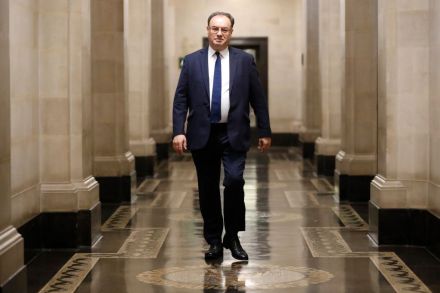
The new Bank of England governor Andrew Bailey has warned that the UK is facing an 'economy emergency' and the worst is yet to come. Speaking to Sky News, Bailey said the UK economy needs to brace itself for a ‘very big downturn’. 'Everything's on the table that is reasonable,' he said, referring to the policy tool kit at the BoE's disposal to help manage any economic crisis in the coming weeks and months. The governor’s warning comes a day after Chancellor Rishi Sunak's unprecedented £350bn coronavirus stimulus and hours after the pound plummeted below $1.20 – its lowest level against the US dollar since 1985. Investors are abandoning the pound and flocking to the dollar as they prepare for waves of economic hits across the world.

Will the Chancellor’s stimulus tackle Covid-19 fears?

Last week’s £12 billion stimulus package to tackle the health and economic consequences of Covid-19 now seems like a drop in the ocean compared to Rishi Sunak’s announcement this evening: an astonishing £330 billion package of guarantees for business loans, up to £20 billion worth of tax cuts and grants for small and medium size businesses to stay afloat. As well: a year of full business rate relief for all companies in retail, hospitality and leisure sectors. And, he says, this is only the beginning. The Chancellor needed to indicate to business (and markets) that this Government is serious about keeping the economy going.