James Forsyth

James Forsyth

James Forsyth is former political editor of The Spectator.

Lockdown, and the hardships ahead

31 min listen

It's the first few days of a national lockdown, so have humans been hubristic in not expecting something like this to happen (1:10)? Over in France, is President Macron dealing with this any better (11:05)? Last, is there any point in being a historical novelist in the age of Hilary Mantel (19:10)?

Boris Johnson has a tough decision to make on enforcing social distancing

Schools will close from Friday afternoon as the government steps up its effort to reduce the spike in coronavirus infections, and keep the numbers within the limits that the NHS can deal with. In a sign of how long these measures will go on for, Boris Johnson also announced that this summer’s exams will not go ahead. In an effort to limit the disruption that school closures will cause, some educational establishment will remain open to look after the children of key workers: NHS staff, delivery drivers and the like. The question for the government now is if you want to do everything to reduce the spike, should the government’s ‘very strong advice’ on social distancing become compulsory? Boris Johnson is, obviously, reluctant to do this.

The unanswerable question on coronavirus

13 min listen

The government today announced that schools will be closed come this Friday. Boris Johnson wasn't able to answer when they will resume, but James Forsyth says in today's Coffee House Shots podcast that this is only the beginning of stricter social measures, some of which could become compulsory in the not distant future. Rumours abound today that London is days away from a city-wide lockdown, and on the podcast, James points out that Boris Johnson could be considering this even though it is against his liberal political instincts. Anyone watching Prime Minister's Questions today will be in no doubt that we are living in extraordinary times. The normally packed chamber was sparse, as only MPs who had questions were allowed in.

Coronavirus social restrictions could soon become compulsory

Boris Johnson has taken to calling his Government a ‘wartime’ one because of the fight against coronavirus. If you accept the logic of that, the flip side of this is that we are going to have to become a ‘wartime’ society. This means people are going to have to accept the restrictions on social interactions which, I understand, will soon move from being advisory to compulsory, at least in London. Society is also going to have to accept things being different. For instance, one of the concerns in Whitehall is that even if the manufacturing effort to produce more ventilators succeeds there might not be enough trained medical staff to operate them.

Boris tells Brits: halt all non-essential social contact

In a dramatic escalation of government advice, Boris Johnson, the chief medical officer and the chief scientific adviser have said that those with anyone in their household with a fever or a new continuous cough should self-isolate for a fortnight. They also urged even those without any symptoms to avoid non-essential social contact – so no trips to the pub or the theatre – to work from home where possible and that the vulnerable should soon begin to self-isolate. Patrick Vallance, the chief scientific adviser, explained that these measures were necessary as we were now moving into the ‘upswing of the curve’.

Boris Johnson knows the risk he is taking with his coronavirus strategy

As more and more other countries go into lockdown or opt for mass school closures, there is going to be political controversy over this government’s approach to coronavirus. The political consensus on the handling of the virus is already beginning to fray. But it is worth trying to understand why the UK isn’t doing what so many other countries are doing. I write in the Sun this morning that the government isn't behaving in this manner because it doesn’t think the virus can be stopped. One of those at the heart of the government’s efforts says, ‘A lot of the international response is, how do we stop coronavirus? But that cannot happen: It is a global pandemic.

The true test of the Budget

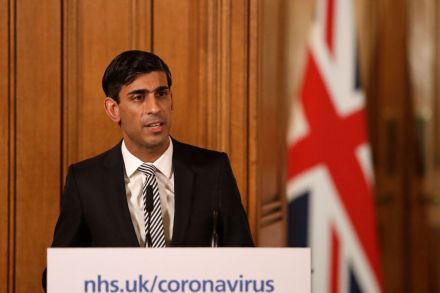
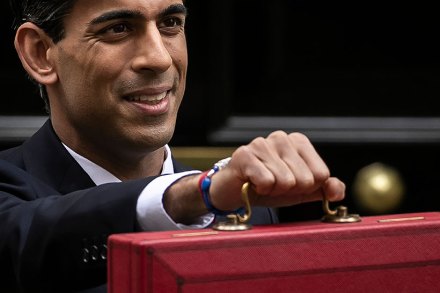
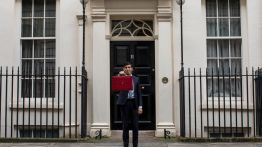
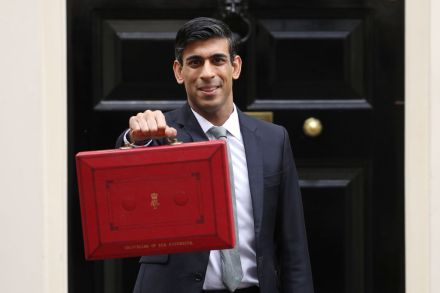
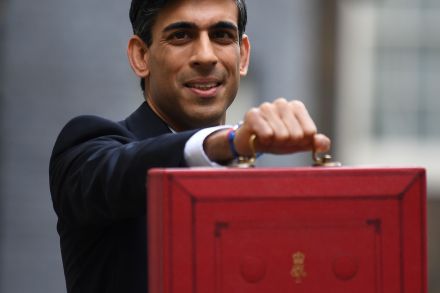
British politics has not lost its flair for the dramatic. If it was not enough to have Sajid Javid resign as -chancellor less than a month before the -Budget, Wednesday’s statement was delivered against the backdrop of a global economic crisis. Coronavirus is causing a shock to both demand and supply. We have not had a crisis like this in decades, and there is no obvious immediate solution for national or -global policy-makers. The £30 billion of emergency measures the new Chancellor, Rishi Sunak, announced in the Budget are not the last set of actions we will see in response to coronavirus. The government is still waiting to see how the situation develops, and how severe the economic and societal disruption will be.

Local elections postponed until next year

The government has bowed to the inevitable and announced that May’s local and Mayoral elections have been postponed. With the Chief Scientific Advisor saying that the coronavirus peak is 10 to 14 weeks away, it was hard to see how you could have had an election campaign within that period. As I said in the Sun last Saturday, Whitehall has been braced for a delay to these elections for a while now. They will now not take place until 2021, meaning that there’ll be no immediate electoral test for the new Labour leader. These elections won’t be the last event to be postponed. The current thinking among those leading the government’s response to the virus is that a government bar on big public gatherings is, probably, about a month away.

Why Britain isn’t opting for a coronavirus lockdown

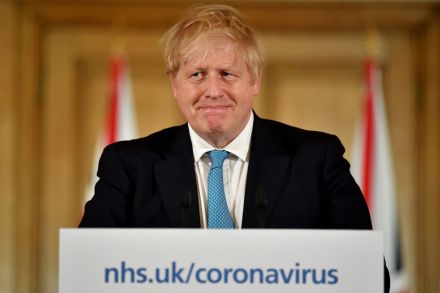
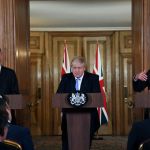
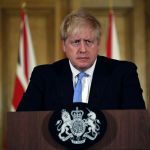
In a sombre news conference in Downing Street, Boris Johnson has warned that coronavirus is causing the ‘worst public health crisis for a generation’ and that many families will lose loved ones before their time. Flanked by the chief scientific adviser and chief medical officer he announced a new series of measures including that people with fever or a persistent cough should self-isolate for a week. However, the UK will not be shutting schools or banning flights. Patrick Vallance, the chief scientific adviser, explained that the aim is to try and delay the peak of the disease and then stretch it out over a longer period so the NHS is better able to deal with it.

Oil wars: is this the real threat to the world economy?

36 min listen

This week kicked off with an incredible fall in oil prices globally, so what on earth happened (00:50)? We also talk about the Budget, where Rishi Sunak set out in more detail how the government's 'levelling up' agenda will look (10:20). Finally, should we be doing more science research for curiosity's sake (23:05)?

What the Budget tells us about Boris Johnson’s Tories

The most remarkable element of that Budget was a Tory Chancellor standing at the despatch box saying that people had voted to change the ‘economic geography’ of the country and that was what this government was going to try and deliver. It was a sign of how different this government is from its Tory predecessors. Towards the end of the speech, Rishi Sunak boasted about a ‘changed mindset’ in government when it comes to capital spending that would see more projects built outside London and the south. It was another reminder of how this government sees itself as a new regime, not simply the Tories’ fourth term in office. There were two parts to this Budget.