Helen Nugent

Payment protection insurance, nuisance calls and pensions

From our UK edition

Big banks are expected to take another £2 billion hit on payment protection insurance this week because of the longer time allowed for new claims, according to The Times. Lenders will make the provisions with quarterly results that will be scrutinised for the impact of Brexit on the economy, while the weakening pound and heightened market activity will also have an affect on results. The new PPI bill is a blow for banks, which had thought that the end was in sight for Britain’s largest mis-selling scandal when the Financial Conduct Authority said in June that it was minded to back their calls for a cut-off for compensation. The FCA has put the deadline at mid-2019, not 2018 as the industry had hoped.
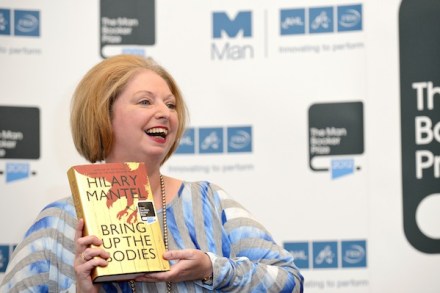
A novel investment: why it pays to pay attention to the Man Booker Prize

From our UK edition

OK, I'll admit it. I don't like Margaret Atwood's writing. In some circles, this is akin to saying you're a devil worshipper who spends their weekends ensconced in a dungeon of pain with other ostracised members of the community. Yes, I know she's a multi-award winning author. Yes, I'm aware she has sold millions of books. But I thought The Blind Assassin - for which she won the Booker Prize - was one of the dullest novels I've ever had the misfortune to read. I was willing it to end, much in the same way that I longed for Anna Karenina to fling herself under that train and put both me and her out of our misery.

Pensions, borrowing, gambling and credit cards

From our UK edition

Fears that workers’ savings have been put at risk in unsustainable and potentially fraudulent pension schemes have prompted the Government to rush through tougher rules designed to tackle rogue operators. After revelations by The Times, the Pensions Schemes Bill has been introduced to address concerns that the biggest change to workplace pensions in generations could be undermined by a mis-selling scandal. Operators of 'master trust' schemes will face stricter rules after the pensions regulator lobbied the government to bring in new rules. The measures are designed to prevent weak or dishonest providers from exploiting the introduction of auto-enrolment in workplace pension schemes. The policy was designed to address the number of workers not saving enough for their retirement.

Stealth tax, mortgages, BHS and energy

From our UK edition

Middle-class families are paying a 'stealth tax' of £10,000 a year for places in care homes for the elderly, according to The Times. The extra charge is being used to subsidise residents who cannot pay themselves and have to rely on council funding, the first detailed analysis of fees has found. There are about 400,000 elderly people living in care homes and almost half pay for themselves, either by running down their savings or selling the family home. People must 'self- fund' if they have assets totalling more than £23,000. The report by the charity Age UK found that this group pay average weekly bills of between £603 and £867, depending on the area, although in the south east fees often run to more than £1,000 a week.

Annuities, unemployment, property and fraud

From our UK edition

The Treasury's decision to abandon plans to let pensioners raise money by selling their annuities has been welcomed by the pensions industry. The controversial idea was first aired in March 2015 by the then Chancellor George Osborne as part of his plan for 'pension freedoms'. Despite deciding last December that the plan would go ahead next April, the Government has now changed its mind. The Government admitted that too many pensioners might be lured into selling their annuities - an income for life - in exchange for a lump sum. The Association of British Insurers (ABI) said it was the 'right decision'. Meanwhile, Paul Green, director of communications at Saga, said: 'This is a surprising announcement.

Inflation, self-employed, online fraud and housing

From our UK edition

The annual rate of inflation as measured by the Consumer Price Index rose to 1 per cent in September, according to the latest figures from the Office for National Statistics. That's up from 0.6 per cent in the year to August. CPI tracks the cost of 700 household goods and services. Investment manager Thomas Laskey from Aberdeen Asset Management said: 'The worrying factor is that today’s figure represents only a tiny part of sterling’s steep drop, and no effect from the second big tumble earlier this month. Such a large fall in the currency will bring with it higher import costs and we’re likely to see much higher inflation in the months and years to come.' The pound spiked after the inflation figures were published but settled to trade at $1.2250 - up 0.

How to have the most wonderful Christmas time: rein in your spending

From our UK edition

There's always one. One colleague, friend or family member who starts banging on about Christmas months in advance. One smug person who risks a punch in the face for boasting 'I've done all my Xmas shopping' before the clocks have gone back. Thanks all the same but I don't want to know how many days it is until December 25. I have no interest in seeing the M&S festive range. And I have zero appetite for a sneak preview of the John Lewis Christmas ad. Don't get me wrong, I love Christmas and all that it entails. The bulging stocking (yes, my mum still does this), the tin of Quality Street, the massive over-eating. And it's particularly special now my niece is old enough to enjoy it.

Housing, the economy and estate planning

From our UK edition

Britain's economy faces a 'prolonged period' of weaker growth as consumer spending slows and business curbs investment, according to a report published on the BBC website. Although the EY Item Club think tank predicts the economy will grow 1.9 per cent this year, it expects that performance to fizzle out as inflation rises. The economy's stability since June's Brexit vote was 'deceptive', EY said. Meanwhile, a senior Bank of England official told the BBC that inflation may surpass its 2 per cent target. The Bank's deputy governor Ben Broadbent told Radio 5 live that sterling's weakness would fuel inflation, but that controlling prices with tighter monetary policy could hit growth and jobs.

Britons are a nation of tea-drinkers, and we’re willing to pay top price for the perfect cuppa

From our UK edition

If you believe the national stereotypes, there are certain things us Brits can't live without, among them fish and chips, a local pub and a proper brew. That last one is certainly top of my list. Since I gave up coffee, a cup of builder's tea at least once a day is essential. And, when at home, I insist on Yorkshire Gold teabags. Ah, those little pockets of delight, the heady combination of leaves from Assam, Kenya and Rwanda. Just writing this makes me want to put the kettle on. When it comes to cuppas, I've done my homework. Lancashire tea is too floral, PG Tips too pungent, and don't get me started on all that herbal nonsense. Perhaps unsurprisingly, I'm not alone when it comes to a love of tea. According to TopCashback.co.

Pensions, gender pay gap, sterling and mortgages

From our UK edition

Some people who were mis-sold pension annuities will have to be compensated to restore £120-£240 a year, the Financial Conduct Authority has said. In a review of annuity sales practices, the financial watchdog said that a small number of firms failed to tell customers that they could shop around or could get enhanced annuities because of being ill. In total, 90,000 people could have been affected by the annuities mis-selling, though the FCA said this was not systemic nor an industry-wide failure. In other pensions news, the Daily Mail reports that workers could be allowed to retire at 60 if they accept a smaller state pension in retirement.

Housing, whiplash claims, Tesco and rail compensation

From our UK edition

The number of homes coming on to the property market has slipped further as demand climbed in September after a slow summer selling season, according to The Telegraph. The residential market survey by the Royal Institution of Chartered Surveyors (Rics) found that the number of new instructions to sell fell for the seventh consecutive month. Meanwhile, demand from buyers climbed for the first time since February, albeit modestly. Rics' survey found that 8 per cent more respondents reported an increase than a decrease in the amount of new buyers, although there was a lot of variation across the country behind the headline number.

Pensions, house prices, PPI and debt

From our UK edition

George Osborne's pension reforms will backfire and end up costing the taxpayer billions of pounds more every year as people stop saving for their retirement, the official Treasury watchdog has warned. The Telegraph reports that the Office for Budget Responsibility said the removal of tax relief on pensions for higher earners - billed as a move to save money - will ultimately end up costing the Exchequer £5 billion a year. The watchdog warned that higher earners will move their money to tax efficient investments and may even drive up property prices as a result of the ill-thought through policy. Meanwhile, The Times reports that younger workers could be in line for a boost to their pensions at the expense of older employees under plans being considered by the Treasury.

Currency, pensions, fuel and housing

From our UK edition

Many travellers buying foreign currency at the UK's airports are now receiving less than one euro to the pound. The continued fall in sterling's value means that the average rate available at 17 airport bureaux de change is now just 99 euro cents to the pound. The BBC reports that the worst rate is currently 88 euro cents at Moneycorp at Southampton airport and the best is €1.06 from the Change Group at Glasgow Prestwick. Since the UK's Brexit vote in June, the pound has fallen sharply in value. The average US dollar rate at the airports is down to $1.08 to the pound. Pensions The Pensions Regulator is asking for new powers to stop final salary pension schemes being dumped when companies are sold.

Will a new financial advice body actually work? For all our sakes, let’s hope so

From our UK edition

Consolidation. It's a word used widely in financial circles. Consolidation of debt (translation: combining lots of different credit cards into one seemingly simple yet unmanageable whole). Consolidation of assets (translation: combining liabilities into one seemingly simple yet unmanageable whole). You get my drift. So, consolidation is not always a good thing. I wonder if this will prove to be the case for a new government-run financial advice service. Although it has yet to be given a name, this brand spanking new single advisory body will, according to ministers, be more efficient than the organisations it, er, consolidates. Financial experts agree that we are better off without one of these: the much-criticised Money Advice Service.

RBS, Brexit, Pensions and Inheritance Tax

From our UK edition

Royal Bank of Scotland secretly tried to profit from struggling businesses, leaked documents show. The bank bought up assets cheaply from failing businesses it claimed to be helping, the confidential files reveal. Staff could boost their bonuses by finding firms which could be squeezed in what it called a 'dash for cash'. RBS said it had let some small business customers down in the past but denied it deliberately caused them to fail. The cache of documents, passed by a whistleblower to BuzzFeed News and BBC Newsnight, support controversial allegations in a report three years ago by the Government's then entrepreneur in residence Lawrence Tomlinson.

Is it impossible to dodge a dodgy builder? Finding a decent tradesman shouldn’t be this hard

From our UK edition

As a species, we humans share many characteristics. Opposable thumbs, a love for pizza, a dislike of losing at football. Perhaps most common, though, is the ability to recount horror stories about tradesmen. I have yet to meet someone without a handyman grievance. You've got one, right? A plumber who did more harm than good, the builder who left a wall looking like a colander, an electrician who nearly electrocuted the cat. Needless to say, I have multiple gripes of my own. There was the plumber in my London flat who installed two taps and a massive hole in the wall. The decorator who charged £150 to paint one tiny wall. But these sub-standard contractors are as nothing compared to the moron who project-managed my house restoration in Lancashire.

Sterling, savers, pensioners and buy-to-let

From our UK edition

The pound has dived on Asian markets with automated trading being blamed for the volatility. At one stage it fell as much as 6 per cent to $1.1841 - the biggest move since the Brexit vote - before recovering to $1.24, still down 1.5 per cent. It is not clear what triggered the sudden sell-off. Analysts say it could have been automated trading systems reacting to a news report. The pound has been volatile since the UK voted to leave the European Union. The 6.1 per cent drop in the pound against the dollar while we were all sleeping is the second-biggest intraday fall the currency has ever suffered, according to the Financial Times. It's behind only the 11.1 per cent tumble that resulted as the outcome of the EU referendum result became clear.

Bank of England, Brexit, Inheritance Tax and Life Insurance

From our UK edition

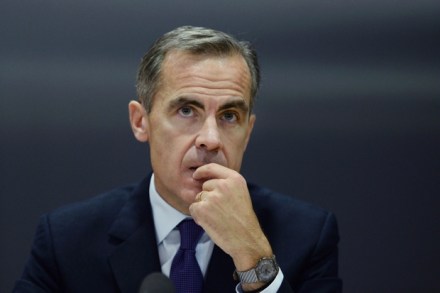
City traders are speculating about how long Mark Carney will remain as Bank of England governor, after Theresa May attacked the BoE’s loose monetary policy stance yesterday. According to The Guardian, Carney is expected to decide by the end of the year whether to just do five years at the Bank (the original plan), or sign up for an extra three year’s service. He arrived in July 2013. May’s criticism could, perhaps, encourage Carney to exit gracefully in 2018 after all. Or he might decide that London remains the place to be, as the Brexit story plays out. May surprised the City by telling the Conservative Party conference that ultra-low interest rates and quantitative easing had disproportionately helped the rich.

Fuel costs, Tesco, pensions and credit cards

From our UK edition

British motorists last month faced the highest road fuel costs this year as global oil prices continue to creep higher from historic lows, The Telegraph reports. The cost of unleaded petrol and diesel rose for a second consecutive month to drive the average price of diesel the highest level for the year so far, while petrol ended the month only slightly shy of 2016 highs. Fresh data from motor group RAC found that the average price of diesel at the pumps rose 0.42p during September to reach 113.34p a litre, its highest price this year. Pensions More than 300,000 pension savers a year are being left to fend for themselves when they retire, says the TUC.

Brexit, housing, pensions and personal injury claims

From our UK edition

Sterling has fallen to its lowest level against the dollar since early July after Theresa May set a date for starting Brexit negotiations. The Prime Minister said she would trigger Article 50, the clause needed to start the process, by the end of March 2017. That means the UK is likely to leave the EU by mid-2019. A short while ago the pound was down about 1 per cent against the dollar at $1.2854 and nearly 1 per cent against the euro at €1.1440. Housing In a sign that the Government is planning to reset its fiscal policy, the new Chancellor, Phillip Hammond, is to unveil a £5 billion house-building stimulus package later today.