Helen Nugent

Waiting for the delivery that never comes? You’re not alone

From our UK edition

Unless you work from home or are blessed with an understanding employer who offers flexible hours, waiting in for a delivery can feel like a sojourn to the seventh circle of hell. 'Your delivery slot is 8am to 10am,' intones the recorded voice. But you don't believe a word of it. In fact, you know they're lying, much in the same way you know the taxi driver isn't 'just around the corner'. No, he's five miles away and has yet to break into third gear. So it comes as little surprise to learn that people whose delivery is late, turns up broken or doesn't arrive at all spend on average two and a half hour sorting out the problem, That's according to Citizens Advice, which is preparing for a rise in people seeking help for problems with deliveries.
Housing, Brexit, savings and tax

From our UK edition

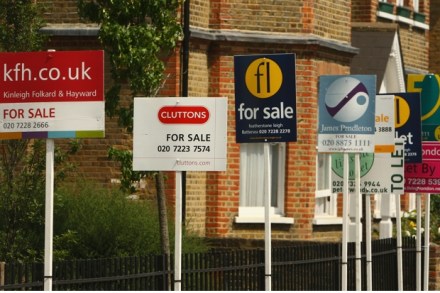
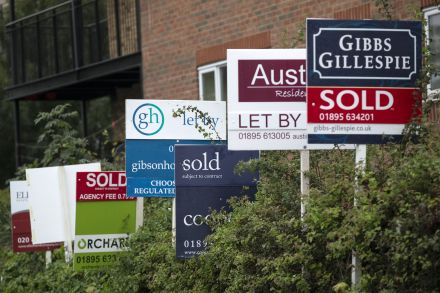
There's a slew of housing news this morning including new research from the Royal Institution of Chartered Surveyors. It predicts that the housing market will make a slow start in 2017 due to a lack of homes for sale. According to Rics, property transactions have slowed since the spring and although there is a chance they may gather pace in the new year, any rise would be 'modest'. Meanwhile, The Guardian reports on the collapse of the capital's luxury housing market. It cites LCP, a property investment firm, which claims that, thanks to six months of Brexit uncertainty and tax changes, buyers from both Britain and abroad have been deterred from high-end purchases.

Workers, renting, pensioners and scams

From our UK edition

More than 7 million Britons, including 2.6 million children, are living in poverty despite being part of working households, according to a report commissioned by the Joseph Rowntree Foundation. The study says that deprivation is increasingly connected to the high cost and insecurity of private rented accommodation. The Guardian reports that 'disability is increasingly linked to the changing nature of poverty. If the costs of disability are taken into account, half of those in poverty are either disabled or living with a disabled person.' Renting The Telegraph reports that the Royal Institution of Chartered Surveyors (Rics) wants the Government to set up its own database of renters as an alternative to credit checks.

Record spending, Bank of England, spread betting and housing hotspots

From our UK edition

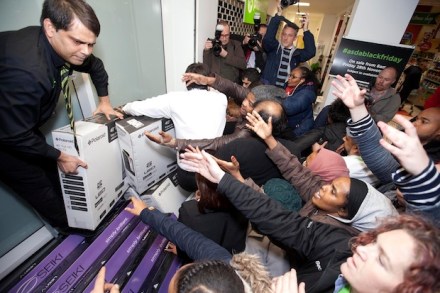
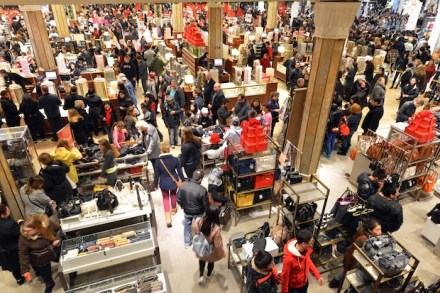
As predicted, shoppers worked themselves into a frenzy during November's Black Friday, new figures reveal. But this year it was internet sales that soared. According to the British Retail Consortium, a record one in four pounds was spent online during Black Friday. The Telegraph reports that 'online sales of non-food items, which includes homewares and clothing, represented 27.6 per cent of all total non-food sales in the UK during November, against 25.3 per cent the year before.' All told, about £1.23 billion was spent online on Black Friday alone, according to retail analysts at IMRG, while 64 per cent of purchases were made on mobile devices, according to data from ChannelAdvisor.

Christmas spending, energy, property and RBS

From our UK edition

With the national and international news dominated by the resignation of the Italian Prime Minister, personal finance has an obsession of its own: Christmas. Only a few days into December and the festive news is coming thick and fast. Today the BBC reports that 'debt concerns at Christmas can be alleviated by seeking advice well before the bills come in'. It cites the Money Advice Trust, which runs the National Debtline service. According to the charity, less than a third of people have a Christmas budget. It added that a third would borrow to meet the cost of Christmas.

Rail fares, buy-to-let, bank accounts and insurance

From our UK edition

In a move certain to dampen any Christmas spirit, the rail industry has announced that train fares will rise by an average of 2.3 per cent from January 2. The BBC reports that 'the increase covers both regulated fares, which includes season tickets, and unregulated fares, such as off-peak leisure tickets'. The hike in regulated fares has previously been capped at July's Retail Prices Index inflation rate of 1.9 per cent. But unregulated fares face no cap which means that some unregulated fares will go up by considerably more than 2.3 per cent.

British Gas, house prices, savings and petrol

From our UK edition

British Gas is freezing its standard tariffs for millions of people over winter. Britain's biggest energy supplier says the decision - which applies to gas and electricity - will provide peace of mind for more than six million customers, the BBC reports. The move follows similar action from SSE which has said it will cap standard household energy tariffs until April 2017. House prices The BBC reports that annual house price growth has slowed to its lowest rate since January. Nationwide, the UK's biggest building society and second largest mortgage lender, said that prices in November were 4.4 per cent higher than a year earlier, compared with a 4.6 per cent increase in October. It added that prices rose by 0.

RBS, landlords, energy and Brexit

From our UK edition

Taxpayer-owned Royal Bank of Scotland has been revealed as the worst performer in the Bank of England’s annual health check of the UK banking system. The Guardian reports that, following its failure in the Bank of England stress test, RBS has published a plan designed to bolster its financial strength by an estimated £2 billion. Barclays and Standard Chartered also struggled in the stress tests, which are based on hypothetical scenarios including house prices falling and the global economy contracting by 1.9 per cent. However, Barclays has a plan in place to strengthen its financial position. Standard Chartered said it has not needed to take any action.

Employees lose out after salary sacrifice perks scrapped

From our UK edition

If you're not familiar with the term, then 'salary sacrifice' is a bit of a puzzler. Just what is your boss expecting you to sacrifice? A chunk of your wages? A goat in the car park at lunchtime? Put simply, salary sacrifice arrangements enable employees to give up salary in return for benefits-in-kind that are often subject to more favourable tax treatment than their wage packet. They're a nice little earner for staff and employers as they essentially permit a bypassing of National Insurance (NI) payments. So, employers allow their workers to take a so-called 'pay cut' and that money is funnelled into a pension or another benefit such as childcare or a mobile phone. The end result: both parties pay less NI, as well as paying tax on a smaller income.

First-time buyers, payments, high-cost credit and lending

From our UK edition

Despite fears over affordability and the effects of the Brexit vote, the number of first-time buyers purchasing homes in the UK reached a record high in October. The National Association of Estate Agents said that a third of sales registered at its members’ branches were to first-time buyers, a 9 per cent rise from September and the highest figure since the association started putting the data together in 2000. According to The Times, 'Mark Hayward, managing director of the association, said that this could be down to house price growth slowing and houses appearing more affordable to buyers. Both Nationwide and Halifax have reported a slowdown in annual house price growth since April.

Are you a ‘guilty gifter’? Don’t get sucked into pointless present-buying

From our UK edition

Cyber Monday. It's an odd phrase, more likely to conjure apocalyptic visions of a Terminator-style machine invasion than a frenzied day of online shopping. Like Black Friday, Cyber Monday is relatively new to these shores. In just a few short years, it's become part of the year's busiest spending weekend, with both days book-ending a four-day shopping spree. This year it looks like Cyber Monday will overtake Black Friday in terms of sales as people shift towards online spending. Experts predict that UK shoppers will increase spending by a fifth to £1.9 billion today. Amid all this hype, however, is the very real prospect that falling for retailers' hyperbole surrounding the last payday before Christmas will result in an untold number of pointless purchases.

Black Friday/Cyber Monday, pensions, rail fares and PPI

From our UK edition

Don't believe the hype. Despite forecasts of record sales for this year's shopping frenzy, Black Friday appears to have been a bit of damp squib, with online sales growth falling significantly short of predictions. The Times reports that purchasing online was up by only 6.7 per cent against the same day the previous year, compared with forecasts of a 25 per cent leap. This is according to PCA Predict, which tracks online transactions for retailers. Balancing the slowdown in online sales growth was a 2 per cent annual rise in shoppers across high streets, retail parks and shopping centres in the UK, figures from Springboard suggested. However, The Telegraph reports that 'British shoppers are expected to increase spending by a fifth to £1.

Black Friday, housing, equities and incomes

From our UK edition

Shoppers are predicted to go on a £1.97 billion spending spree today, setting a new record for Black Friday. Analysts expect record sales, not least because the fall in the value of the pound is forecast to push up the prices of imported goods next year. In a new move, retailers are now expanding Black Friday over the weekend and into Cyber Monday - an online-only event. The BBC reports that 'the total for the next four days is forecast to rise to more than £4 billion once the weekend and Cyber Monday are included'. By Thursday, the discount retailing site TopCashback reported a 30 per cent increase in spending compared to last year. And according to the online retailing association IMRG, more than half the spend on Black Friday will be done online.

Insurance costs to rise again thanks to the Chancellor

From our UK edition

While there were plenty of people-pleasers in yesterday's Autumn Statement, it's safe to say that insurance companies were not happy. Yes, there will be a crackdown on fraudulent whiplash claims, and yes, there is another freeze on fuel duty (all good news for insurers and their customers). But these aren't the issues clogging my inbox this morning. Insurance Premium Tax (IPT), that's what's got them all going. This is the crux of the matter: the former Chancellor George Osborne announced an increase in IPT from 6 per cent to 9.5 per cent in the Summer Budget in July 2015 which came into effect in November of the same year. The rate was increased again to 10 per cent in this year’s March Budget, coming into effect on October 1.

Autumn Statement, Black Friday and consumer credit

From our UK edition

So, no more Spring Budgets. In one of the most surprising announcements in yesterday's speech, the Chancellor revealed the abolition of the traditional March Budget and Autumn Statement. From 2017, there will be a single Budget in Autumn, along with a 'Spring Statement' with no major policy announcements from 2018. In truth, the final Autumn Statement held few headline-grabbing stories. Many had been trailed in advance, including a ban on letting agent fees and a £1 billion boost for broadband connections and speed. Previous announcements also featured heavily, including an increase to the National Living Wage to £7.50 an hour and a crackdown on fraudulent whiplash claims.

Don’t be too quick to applaud the Chancellor’s ban on letting fees

From our UK edition

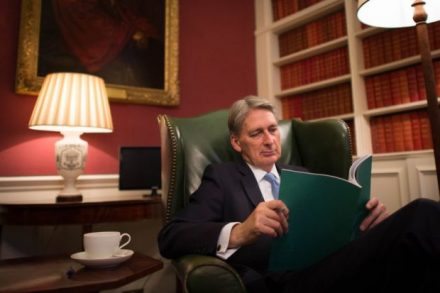
If there's one thing sure to get estate agents' knickers in a twist, it's a threat to their income. And so the news that Philip Hammond will use the Autumn Statement to announce a ban on letting fees has sparked a tirade of protestations and a bumper crop of press releases lamenting their lot. But letting agent fees have been a thorn in the side of renters for some time. Young people in particular complain that charges, such as £420 to change the name on a tenancy agreement and £330 to set up a tenancy, hamper their efforts to save for house deposit. But it's not just the young who feel that these fees are unjust: last month more than a quarter of a million people signed a petition that was delivered to Downing Street demanding that the charges be banned.

Autumn Statement, food prices, BHS and mortgages

From our UK edition

One story dominates the financial news this morning: the Autumn Statement. A slew of predictions, speculation and leaks feature in newspapers and websites, including yesterday's widely trailed announcement of a £1 billion boost to improve broadband speeds for up to 2 million homes and businesses. Other measures expected in Philip Hammond's first Autumn Statement include ways to increase workers' incomes and a £1.4 billion package aimed at delivering 40,000 new affordable homes.  Also on the cards is a rate reduction for the withdrawal of benefits when people start work and an increase in the National Living Wage to £7.50 an hour.

Broadband, Brexit, credit cards and spending

From our UK edition

Philip Hammond will provide more than £1 billion to improve broadband speeds for up 2 million homes and businesses as part of an infrastructure plan to be detailed in the Autumn statement tomorrow. The Guardian reports that, following calls from businesses for more support for the digital economy, the Chancellor will back a £400 million digital infrastructure fund. The Treasury hopes this amount will be matched by private sector investors. The Chancellor will also offer local authorities the opportunity to pitch for a percentage of a £740 million fund to trial superfast 5G mobile networks, linking them to fibre-optic systems to provide greater wireless capacity.

Whiplash claims, LISAs, buy-to-let and energy bills

From our UK edition

Car insurance premiums for millions of motorists could fall by £40 a year following a government crackdown on fraudulent whiplash claims. Under Ministry of Justice proposals, whiplash injury payouts would be much more difficult to obtain, The Guardian reports. Insurers say the measures will end the UK’s status as the whiplash capital of the world. The proposals are intended to stamp out a 'toxic' compensation culture that has pushed up motor premiums, led to consumers being bombarded with nuisance text messages and calls, and put additional pressure on the NHS. Michael Lloyd, the AA’s director of insurance, said: 'AA members are rightly concerned about the upward pressure on the cost of running a car, not least the rising cost of insurance.

Black Friday: do your homework before hitting the shops

From our UK edition

There are some American imports for which we should be thankful. Not Donald Trump, obviously. Other things, though - the motor car, baseball, Dolly Parton, chewing gum, and, erm, crayons. On the other hand, there are a number of US products we could do without. I'm thinking here of evangelical preachers, sub-prime mortgages and Spam. Then there's Black Friday. While this day of frenzied shopping has been part of the American calendar for decades, it's a recent UK import. Always falling on the day after Thanksgiving (the fourth Thursday of November - so the 25th for us Brits), Black Friday's hype spirals year after year.