Best Buys: Two-Year Fixed Rate Bonds | 23 June 2017
From our UK edition
This week’s Best Buys, provided by Moneyfacts, are Two-Year Fixed Rate Bonds.

From our UK edition
This week’s Best Buys, provided by Moneyfacts, are Two-Year Fixed Rate Bonds.
From our UK edition
There was an almighty hoo-ha when George Osborne introduced pension freedoms. In the biggest change to pensions in a generation, anyone aged 55 and over is now allowed to take their entire pension pot as a lump sum, paying no tax on the first 25 per cent and the rest taxed as if it were a salary at their income tax rate. I was among the naysayers and one of those who thought the then Chancellor was absolutely bananas for implementing the new rules. The temptation to blow the lot on a round-the-world cruise or a fancy car must be overwhelming, and falling back on the State in later years will be no picnic.

From our UK edition
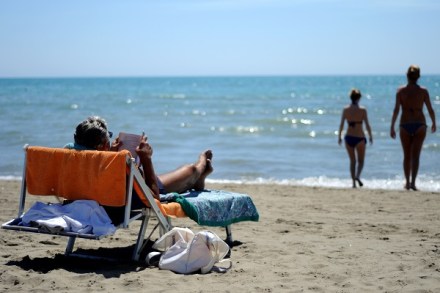
As the UK basks in beautiful sunshine, it's tempting to abandon all thoughts of a holiday abroad and opt for a staycation. But we all know the vagaries of British weather. It'll probably be raining tomorrow. With this in mind, the financial information company Defaqto has taken a close look at potential nightmare holiday scenarios - and has advice on how to avoid them. We all want a stress-free summer break but even the best-laid plans can go awry. That's where a comprehensive travel insurance policy is vital. But according to Defaqto, of the 918 single trip and 943 annual policies on the market, cover for those unpleasant holiday experiences varies dramatically. Take medical cover, for example.
From our UK edition
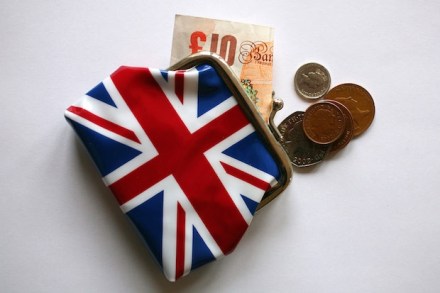
Consider this: 1 per cent of adults own 14 per cent of the nation's assets. That's some 488,000 people in ownership of about £11 trillion. At the other end of the financial scale, 15 per cent - 7.3 million people - either own no assets at all, or are in debt. It's safe to say this throws the UK's wealth inequality into stark relief. These new figures come courtesy of the Resolution Foundation thinktank which attributes them to a reversal of the spreading of property wealth across Britain in the mid-1990s and mid-2000s. Essentially, the fall in home ownership is fuelling the return of increasing wealth inequality across the country.
From our UK edition
This week’s Best Buys, provided by Moneyfacts, are Variable Rate Cash ISAs.

From our UK edition
Norfolk is the dating fraud capital of England and Wales, Surrey is the hotspot for investment scams, and mid-Wales suffers cold calling computer cons. That's according to new analysis by Which?. Using the Freedom of Information Act, Which? collated thousands of fraud reports from Action Fraud, the main reporting body for UK fraud. The data also reveals Dorset as the capital of computer virus, malware and spyware scams, while Northamptonshire is the capital for online shopping and auction fraud reports. Elsewhere, Dyfed-Powys was the capital for computer-repair fraud reports. In this type of scam, a fraudster phones pretending there’s a fault with your computer and then demands a fee for fixing it. Which?
From our UK edition
Praise be, there's some good news on the financial front this morning. Roaming charges for the use of mobile phones while overseas have been abolished as from today. Under the new European Union law (the Roam Like Home legislation), British mobile phone users can now make phone calls, send text messages and use data in other EU countries without incurring a further charge. The new rules mean that Britons will be subject to the same prices they pay at home. However, it still won't be possible to call local numbers when abroad for no charge. The new regulations apply to calling or texting other British mobile phones.

From our UK edition
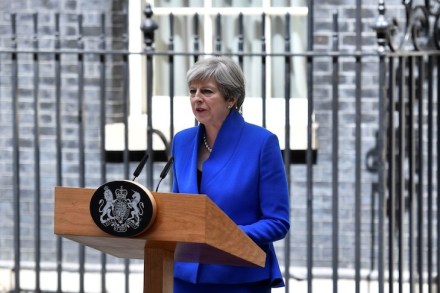
Well, I don't think anyone expected that, least of all Theresa May. As the country picks over the result of the general election, financial experts are weighing up what it means for our money - and it's not good news. Faith in the economy has been shaken, share prices for housebuilders and retailers have fallen, and the pound is down against the dollar and the euro. None of this makes for positive reading when it comes to disposable income. Pensions 'A hung parliament is the worst possible outcome for pensioners and people saving for their retirement,' says Tom Selby, senior analyst at AJ Bell. 'We will now have a period of limbo while a new government is formed and we may well be heading back to the polls later this year.

From our UK edition
This week’s Best Buys, provided by Moneyfacts, are Unsecured Loans - £5,000 over three years.
From our UK edition
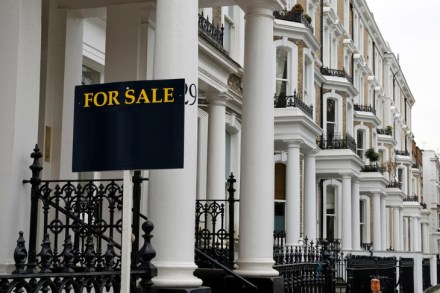
Depending on which way you look at it, today's house price data from Halifax is either good or bad news. Taken one way it paints a gloomy picture, with house price growth continuing to slow. According to the lender, in the year to May house price inflation dropped to 3.3 per cent, down from 3.8 per cent in the year to April. However, a different interpretation is more positive. The statistics also reveal that UK house prices increased for the first time in five months in May, thanks to historically low mortgage rates and a shortage of available properties. Halifax says that the average house price rose by 0.4 per cent last month to £220,706, the first monthly rise in house prices since the beginning of 2017. But...prices in the three months to May were 0.
From our UK edition
Not since the days of William Hogarth has Mother's Ruin featured so prominently in the national consciousness. In the 21st century, gin is seriously big business as evidenced by the slew of pop-up bars and festivals devoted to this elixir of the gods as well as the number of bottles weighing down supermarket shelves. Just this week Sainbury's launched two new gins aimed at connoisseurs while Lidl continues to sell inordinate amounts of its award-winning tipple. Now the juniper-flavoured favourite has reached another milestone. Figures from HM Revenue & Customs reveal that sales of gin have helped spirits overtake beer for the first time.

From our UK edition
When you've been writing about money for a while, a few key phrases crop up again and again. But of all the useful words employed in the world of consumer finance, 'shop around' is by far the most popular. 'Make sure to shop around' never goes out of fashion, and for good reason. It applies to pretty much every financial product there is, from bank accounts, saving plans and life cover to car insurance, ISAs and mortgages. It's that last one I want to concentrate on today. New research from Trussle, an online mortgage broker, has found that the UK's six biggest mortgage lenders are penalising customers who slip onto their Standard Variable Rates (SVR) with a £3,242 hike in annual interest repayments.

From our UK edition
This week’s Best Buys, provided by Moneyfacts, are Easy Access Accounts without a bonus.
From our UK edition
A record number of people are now paying the highest rate of tax thanks to wage inflation and the reduction in pensions tax relief. That's according to figures from HM Revenue & Customs. While the proportion of people paying the 45 per cent additional rate is still small compared to the overall number of income tax payers (just 1.2 per cent), it is nonetheless a 10 per cent increase on the previous year. It also represents a 54 per cent rise since the tax band was introduced. HMRC says that, by the end of this financial year, an estimated 364,000 people will be paying the 45p rate of tax on income over £150,000, up from 311,000 in 2013-14. A further 4.2 million citizens (13.

From our UK edition
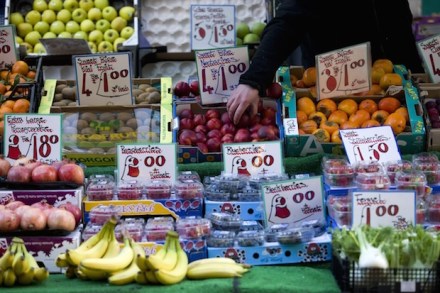
Ah, butter. Salted, unsalted, English, French, garlic, spreadable, straight from the fridge - just thinking about the many forms of butter make me salivate. Then there's what to pair it with - crumpets, teacakes, toast, jacket potatoes. The list goes on and on. So it comes as a blow to learn that butter is selling at record prices. Forget those low fat and faddy diets, butter is now a 'big trend globally'. That's according to Michael Oakes, a dairy farmer and spokesman for the National Farmers' Union. He told Radio 5 live this morning that one major driver is the decision by McDonalds to use butter in it products again, eschewing substitutes like vegetable spread.
From our UK edition
There are three supermarkets in the small market town where I live. That's three major chains serving just 14,000 people, not to mention another five within a four-mile radius. So when Sainsbury's lodged planning permission to build a fourth outlet within spitting distance of the existing shops, local people had had enough. Objections were launched and Sainsbury's withdrew its bid. Now I'm wondering if the people of my Northern town made a mistake. According to new research from Lloyds Bank, homes located close to a Sainsbury's are likely to command around £26,000 more than other properties. Of course, that's a national average and, given house prices in the North, homes in my neck of the woods wouldn't benefit from that kind of premium. Still, it's something to think about.


From our UK edition
It hardly seems possible - where does the time go? - but the general election takes place next week. Following the suspension of electioneering after the atrocity in Manchester, the political parties have returned to the campaign trail with all kinds of promises designed to lure the electorate to their respective sides. As far as personal finance is concerned, there's a myriad of key pledges. Tom Selby, senior analyst at AJ Bell, takes a closer look at the Tories and Labour.
From our UK edition
After the atrocity in Manchester on Monday night, campaigning for the general election resumes today. With just a fortnight to go before voting, the parties have a lot of ground to cover, not least their plans for the economy. I don't suppose either Labour or the Conservatives will thank the Institute for Fiscal Studies (IFS) for its report, funded by the Nuffield Foundation, published this morning. In it, the IFS points the finger at both parties, saying the Tories don’t have many new details on spending, while Labour’s tax increase and spending plans won’t work. It's pretty damning stuff. Essentially, the think tank is saying that neither party is being honest when it comes to tax and spending policies.

From our UK edition
This week’s Best Buys, provided by Moneyfacts, are Remortgage Rates.
From our UK edition
Is Brexit finally starting to bite? New figures released this morning show that consumer spending increased at the slowest pace since the end of 2014, forcing down the official economic growth rate to 0.2 per cent in the first quarter of this year. The news surprised economists and analysts. According to Reuters, only one of 42 expected this. Nevertheless, the data from the Office for National Statistics (ONS) is down from an initial estimate of 0.3 per cent. In the final quarter of 2016, there was a rise of 0.7 per cent. Neil Wilson, senior analyst at EXT Capital, said: 'The rather ugly set of growth figures suggest that post-Brexit resilience may not be all it’s cracked up to be.
