Arieh Kovler

Arieh Kovler is a political analyst and writer based in Jerusalem.

Israel’s worrying descent into violence

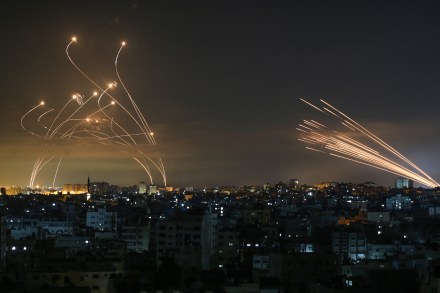
I didn’t hear the boom on Monday night. I didn’t hear the siren either, due to some loud renovations. Sitting at my desk in the bomb shelter in my flat that doubles as a home office, I found out we were under rocket attack by reading about it on Twitter. With the blast door and inch-thick steel window plate closed, I waited for the all-clear. A few minutes later, minor damage was reported to a house just outside Jerusalem, hit by shrapnel from a rocket that flew 40 miles from Gaza. Others were intercepted by the Iron Dome anti-rocket system. A dramatic end to Jerusalem Day, when Israel celebrates the reunification of the city under Israeli rule in 1967.

The dark side of DarkSide

From our US edition

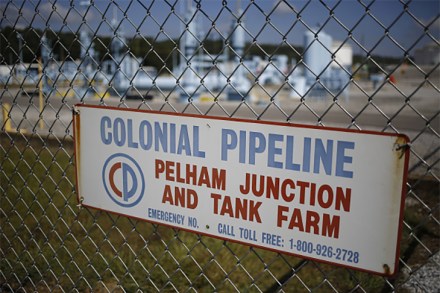
On a normal day, the Colonial Pipeline carries up to three million barrels of oil 5,500 miles from the Southern United States to New York, providing 45 percent of the East Coast’s fuel needs. On Friday, the oil stopped flowing. The pipeline was shut down after the operating company was hit by a cyberattack. Two days later and the pipeline is still sitting idle, and companies are scrambling to try and secure supplies of oil, diesel, jet fuel and gasoline. The cyberattack raises international suspicions. Was it China? Russia? Those countries specialize in such actions. The NSA however has been briefing that the culprit was an unusual cybercrime outfit known as DarkSide. DarkSide’s business is ransomware.

darkside

Riots in Jerusalem

In 2015, I was nearly beaten by a far-right mob in Jerusalem. Thursday night’s riot in the holy city reminded me a lot of that evening. Thankfully, this time, nobody died, but that same feeling of tension, anger and violence was in the air. My run in with the mob began at a small vigil to protest against the murder of a family at the hands of Palestinian terrorists. For some reason they decided we were ‘left-wing protesters’ — the police were able to encircle us but could do nothing to stop the bottles being thrown, the spit, the curses. Our crowd of attacks moved on, beating any Arabs they came across.

Beware the rise of state-sponsored cyberattacks

In November 2014, a glowing red skeleton appeared on the computer screens of executives at Sony Pictures Entertainment. ‘Hacked,’ began the accompanying message. It went on to explain that Sony data had been stolen and would be released to the world. ‘This is only the beginning,’ it warned. Gossipy emails about Angelina Jolie, licensing problems around the character of Spider-Man, and the script of the next James Bond film were all leaked online and lapped up by showbusiness reporters. Then things became much more serious. The hackers threatened a terror attack against the premiere of Seth Rogen’s film The Interview, which mocked North Korea and its leader.

Don’t count Bibi out just yet

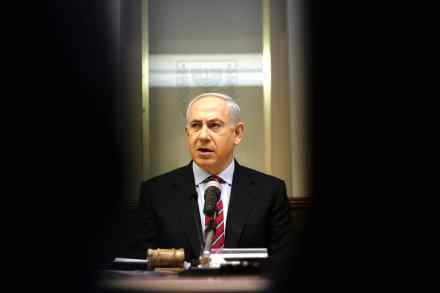
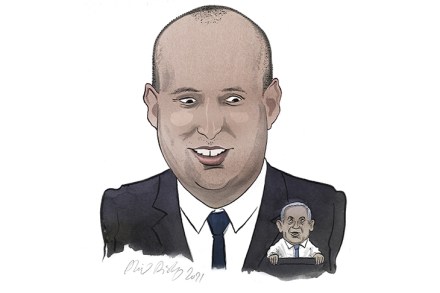
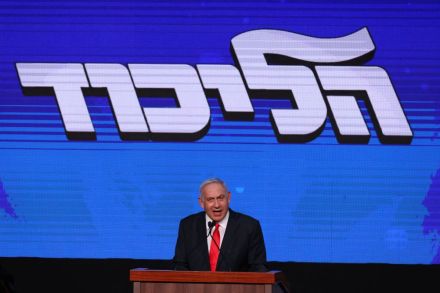
Elections are supposed to settle things. That's the idea, at least. Politicians argue, take decisions and pursue the policies they want to, but there comes a day when they have to answer to the public and face their judgment. A day after Israel's fourth parliamentary election in two years, no verdicts are forthcoming, not even in Prime Minister Benjamin Netanyahu's corruption trial. The votes are still being counted, but it looks once again to be an awkward draw. Neither Netanyahu nor his rivals are expected to be able to form a governing coalition. Elections in Israel have become like the difficult season of a long-running comedy, when the producers try to introduce quirky new characters without changing the core format too much.

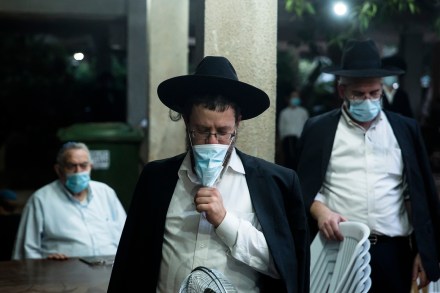
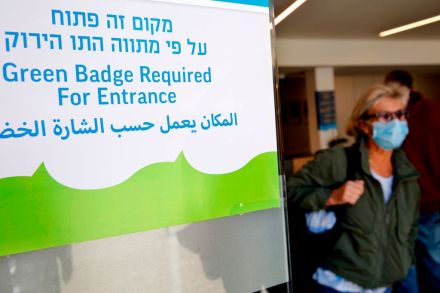
Is Israel’s green pass the key for lifting lockdown?

Coronavirus rates in Israel right now are among the highest in the world. But that didn't stop the Israeli government from lifting its strict lockdown and, yesterday, reopening most of its retail economy. Non-essential shops, shopping centres, libraries and museums reopened to the general public after being closed for more than six weeks, despite the fact that daily cases and hospitalisation numbers remain at pretty much the same levels as when the lockdown began. The streets were packed as people tried to catch up on nearly two months' worth of shopping. The reason – or, perhaps, the justification – for this reopening is Israel's successful vaccination programme.