William gladstone

The Spectator fights back against government excess

Britons used to be able to rely on their parliament to safeguard liberty and their wallets. Those who were sent to the House of Commons came not as petitioners for a larger government and greater state expenditure but as guardians of individual freedom and defenders of private property. It was self-evident to them that those who spent their own money would always spend it more wisely than those who took others’ money and spent it to please whom they may. During those times MPs, including even ministers, regarded restraint on executive power and tight control on public spending as unquestioned virtues, and the nation prospered.

The rebirth of Greek wine

From our US edition

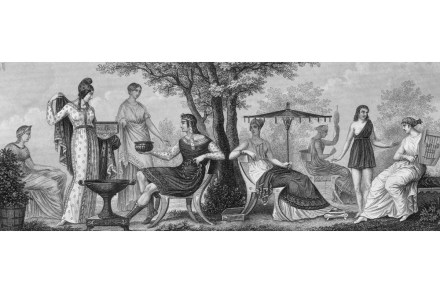
One of the great stories in the world of wine over the last half century is the rebirth of Greek wine. I say “rebirth” because wine has been an inextricable part of the story of Greece from time immemorial. What would Plato’s Symposium — literally “drinking party” — be without wine? And the story of Greek wine goes back much further than that. According to experts, wine grapes have been cultivated in Greece from about 6000 BC. Anyone who has read Homer recalls his frequent deployment of the epithet “οἶνοψ πόντος.” That is usually translated as “wine-dark sea,” though it literally means “wine-faced” or “wine-eyed” (οἶνος + ὄψις) sea. What color do you suppose “wine-dark” is?

greek wine

Liverpool University shouldn’t cancel William Gladstone

After the fall of the statue of slaver Edward Colston in Bristol, it was only a matter of time before attention turned, once again, to England’s other great slave-trading city of Empire, and the figures behind it. William Gladstone is one of Liverpool’s most famous sons. One of the great Liberal politicians of the age, he was prime minister on four separate occasions in the mid to late 1800s. There are a few reminders of this dotted across the city today, but the most notable are the halls of residence that bear his name, belonging to the University of Liverpool. The university has now announced that it will rename the halls after receiving a letter from a group of students demanding it be changed.