Virginia woolf

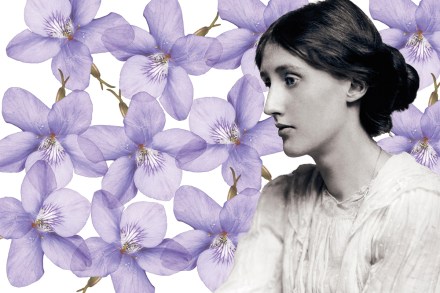
The Life of Violet catches a side of Virginia Woolf that has been obscured

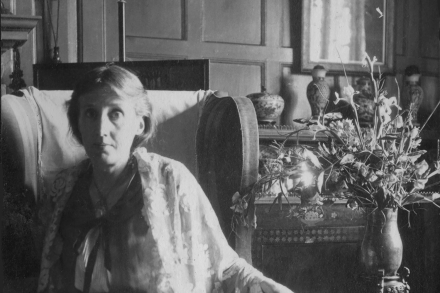
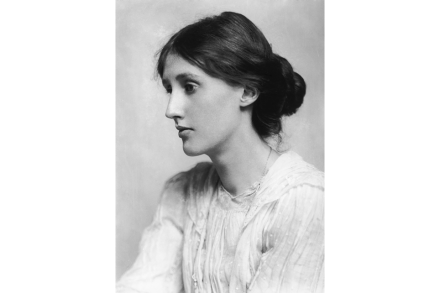
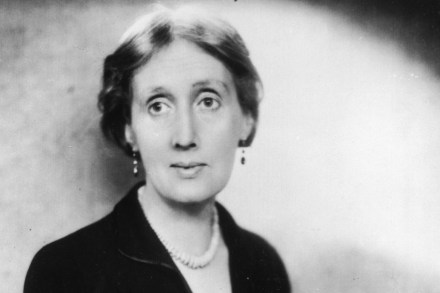
She was Adeline Virginia Stephen, then. Signing her letter “AVS”, in August 1907 the 25-year-old who became Virginia Woolf complained to her friend Lady Robert Cecil: “The effort it is to write… I feel like one rolled at the bottom of a green flood, smoothed, obliterated, how should my pockets still be full of words?” Long before the masterpieces that would make her name, she was working on a series of literary exercises. These attempted to remold the biographical form into one that could encompass and celebrate the lives, not of famous men, but of unfamous women and combine what she called the granite and rainbow of “life-writing”: stony fact and iridescent fantasy. Her letter continues: If you keep The Life, or Myth, don’t quote it – see my vanity!

Woolf

Where will the vogue for censoring our best-loved authors lead?

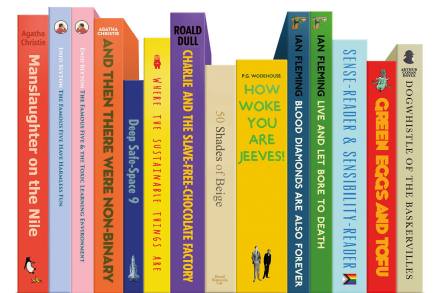
It was recently announced in the Daily Telegraph that the novels of P.G. Wodehouse — much beloved by millions, including me, for their combination of wit and soufflé-light evocation of an England that never really existed but which almost might have done — are the latest to fall foul of that new scourge of writers the world over, the “sensitivity reader.” New editions of Wodehouse’s masterly works Right Ho, Jeeves and Thank You, Jeeves have been reissued with the craven disclaimer “Please be aware that this book was published in the 1930s, and contains language, themes and characterizations which you may find outdated. In the present edition, we have sought to edit, minimally, words that we regard as unacceptable to present-day readers.

authors

Virginia Woolf’s very own Bloomsday

“Mrs. Dalloway said she would buy the flowers herself.” Nine words into her 1925 classic, Virginia Woolf has taken us to another world. London — Westminster to be precise — in mid-June 1913, a world in which it is unusual for a woman to buy the flowers for her own party. Clarissa Dalloway only steps out into the early morning air (“fresh as if issued to children on a beach”) because her maid, Lucy, “had her work cut out for her.” The Wednesday in the “middle of June” on which the action of Mrs. Dalloway takes place is debated. The year is 1923, which would make the 13th of June the most likely candidate. But as academics are wont to do, there has been some disagreement.

mrs. dalloway

Cigarettes are marvelous

Squinting through the penumbra of blue smoke that is nearly always contiguous with my person, I was surprised — no, scandalized — to see a silly little remark about G.K. Chesterton stud the pages of the National Review this week.Chesterton, that many-sided genius, once had the gall to defend the practice of torching a nice clump of tobacco and inhaling the fumes. Here is what he wrote, many years ago: '…to have a horror of tobacco is not to have an abstract standard of right; but exactly the opposite. It is to have no standard of right whatever; and to take certain local likes and dislikes as a substitute.

cigarettes