Tiktok

TikTok's fake news problem

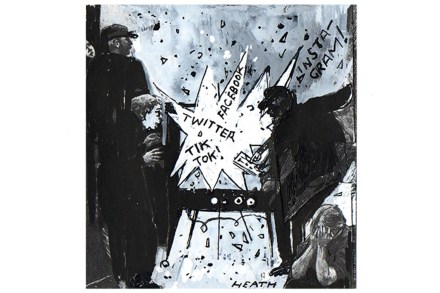
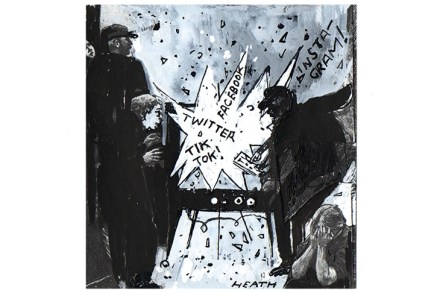
Something troubling is happening on TikTok. The video sharing app is sometimes dismissed as a place where young people go to while away the hours watching banal videos. But TikTok is more than just a quirky hobby for younger generations: it’s where many come to get their news. What’s more, during Covid it’s become a window into a world that is effectively shut. This makes the spread of fake news and misinformation on the app something that should alarm us all. This week, a TikTok video claiming that the United States was responsible for reducing Syria to rubble spread like wildfire around the app. The post – which received nearly

Labour's TikTok paranoia

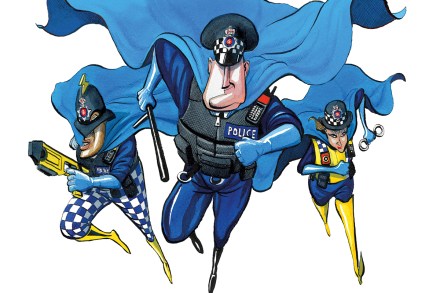
As if the Labour party didn’t have enough to worry about with its withering opinion poll ratings, yesterday’s Times reveals that party officials are warning MPs of another potential danger: malicious TikTok parodies. The paper reports that Sir Keir himself is one of several Labour MPs whose names have been used by hard-left TikTok pranksters keen to cause trouble for the party’s Leadership. One user is apparently impersonating a shadow cabinet minister while using the antifa-linked slogan ACAB (all cops are bastards). Labour is now apparently lobbying the Chinese-owned video giant to remove the false accounts to avoid confusion. Well, quelle surprise really. For all its runaway viral success (with some

The chilling rise of ‘IRA TikTok’

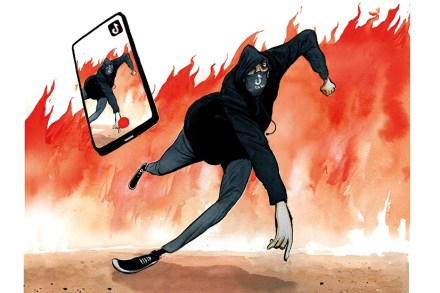
There’s an ever shorter period now, it seems, between the emergence of any new medium and its energetic use for promoting hatred. And no one can accuse the young fans of militant Irish republicanism of not keeping up with the times: the proliferation of ‘IRA TikTok’ is a case in point. The video-sharing network has inspired growing numbers of Irish-American and Irish youth — often those with ‘Up The Ra!’ in their TikTok profiles — to post clips of themselves clad in balaclavas, posing meaningfully with a fake gun, or mimicking planting a bomb by throwing a backpack under a car and racing away. The soundtrack is mostly provided by

From ancient Greece to TikTok: a short history of the sea shanty

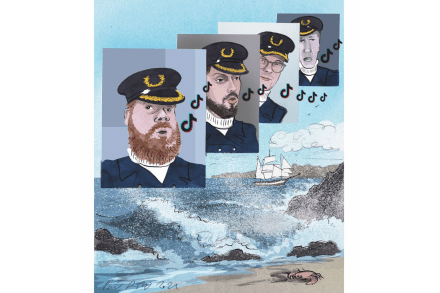
Many things are now normal that would have seemed unlikely a year ago. But even in this strange new world the sudden rise of the sea shanty is, perhaps, strangest of all. It all started in December when Nathan Evans, a postman from North Lanarkshire, posted a video of himself online — a lone figure filmed in no-frills close-up, hoodie high under the chin, beanie pulled down to the eyes — singing the 19th-century whaling song ‘Wellerman’. A trickle of views became a storm, thousands turning to millions (now billions) and just like that sea shanties went from kitsch, Last Night of the Proms novelty to global phenomenon. The song

Portrait of the week: Face masks in, Huawei out and Amazon’s TikTok trouble

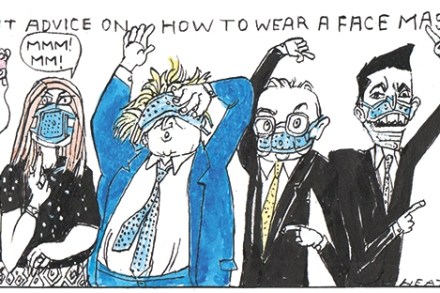
Home New regulations would compel people to wear a face covering in shops in England from 24 July on pain of a £100 fine. Similar regulations had been imposed in Scotland. A report requested by Sir Patrick Vallance, the UK’s chief scientific adviser, said that, without lockdowns, treatments or vaccines, in a reasonable worst-case scenario, a second wave of infection could see coronavirus deaths in hospital alone range between 24,500 and 251,000, peaking in January and February. At the beginning of the week, Sunday 12 July, total deaths from Covid-19 stood at 44,798, with a seven-day average of 85 deaths a day; but in the following two days the number