The vatican

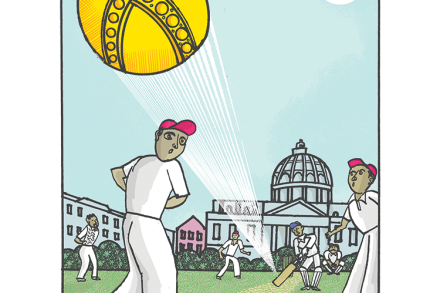
My miracle match against the Vatican’s cricket team

Many have come to Rome seeking spiritual guidance: Thomas à Becket, Lord Byron, Lionel Richie. I came for a different purpose: to defend a papal cricket trophy. I am not Catholic. And until last year I had never played cricket before. It all started, as many great British stories do, with a pub: the Three Stags in Kennington. My friend Tom had invited me to what he described as a ‘Cricket Club Party’. As I headed upstairs, the barman’s quizzical look when I mentioned I was there for ‘the party’ should have given me cause for concern. As I came in through the doors, I was greeted by what appeared to be the end of a Sunday lunch and a collection of six individuals for whom the collective age would have been a record-setting Test score.

Industry tragedy, Trump vs the Pope & the depressing reality of sex parties

42 min listen

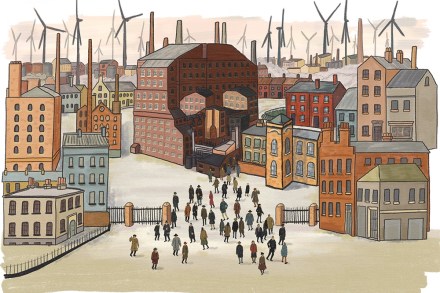
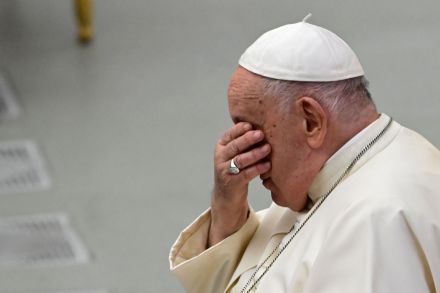
This week: the death of British industryIn the cover piece for the magazine, Matthew Lynn argues that Britain is in danger of entering a ‘zero-industrial society’. The country that gave the world the Industrial Revolution has presided over a steep decline in British manufacturing. He argues there are serious consequences: foreign ownership, poorer societies, a lack of innovation, and even national security concerns. Why has this happened? Who is to blame? And could Labour turn it around? Matthew joined the podcast, alongside the head of the Trades Union Congress (TUC), Paul Nowak. (1:05) Next: the Pope takes on President TrumpThe Pope has nominated Cardinal Robert McElroy to be the new Archbishop of Washington.

The Index of Prohibited Books makes a fine reading list

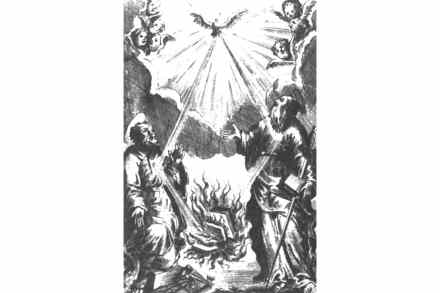
In a classic paradox of bureaucracy, the Index of Forbidden Books only really hit its stride when its original task became impossible. By the 17th century, Robin Vose relates in his new history of the Index Librorum Prohibitorum – established 1559, venerated and cursed for four centuries as ‘the Index’ – it was broadly accepted that censoring literature, senso stricto, was no longer possible. The ubiquity of printers, the ease of transportation and concealment and the sheer number of new books all made most texts available, most of the time, to those with time and cash to spare. The Index of Forbidden Books couldn’t, practically speaking, forbid.