Tehran

Does Trump have to ‘finish the job’ in Iran? 

The missiles and bombs may have stopped, at least for the moment, but the war between the US and Iran continues. The Strait of Hormuz remains closed, the US sanctions remain in place, and the fundamental issues separating the combatants remain unresolved. The bilateral negotiations have gone nowhere, and the two sides remain far apart. This stalemate has puzzled observers since it’s not hard to see the outlines of a deal. For Iran, the minimum acceptable goal is regime survival. For the US, it is the end of the Iranian nuclear program, which poses an existential threat to America’s regional partners and, eventually, to Europe and South Asia. Since the regime’s survival and the end of its nuclear program are compatible goals, a deal should be possible.

Trump

Iran is out of good options

Over the last week, the USS Abraham Lincoln aircraft carrier, additional F-15 fighter planes and naval vessels carrying sea-launched cruise missiles have been making their way to the Middle East in what can only be described as a bid by President Trump to squeeze Iran into submission. In case anybody doubted this is what Trump was after, he took to Truth Social early in the morning to send the Iranians a message: give me what I want or face bombing the likes of which you’ve never seen. "A massive Armada is heading to Iran. It is moving quickly, with great power, enthusiasm, and purpose,” Trump wrote. "Hopefully Iran will quickly “Come to the Table” and negotiate a fair and equitable deal – NO NUCLEAR WEAPONS – one that is good for all parties.”What deal is Trump referring to?

Iran

Will the Iranian regime finally collapse? 

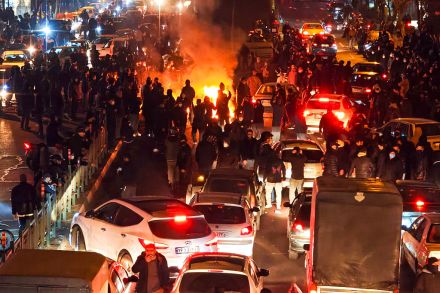
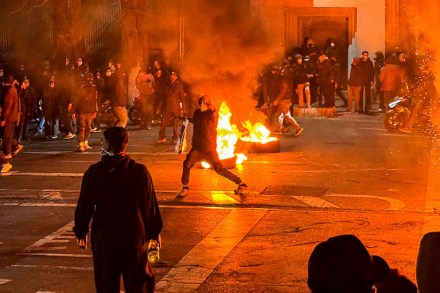
These are tense hours for Ayatollah Ali Khamenei, Iran’s supreme leader and head of state. Thousands of protesters are flocking to the streets to protest the economy. Iran has not seen a wave of unrest like this since the 2022 Mahsa Amini protests, after Amini was killed for allegedly not wearing her veil properly. During a televised speech in Tehran Friday, Khamenei showed little restraint, vowing he “would not back down” in the face of what he described as “saboteurs.”  The protests began in Tehran in late December and quickly spread across the country. They have since turned bloody, with Amnesty International reporting at least 28 people killed.

iranian regime collapse

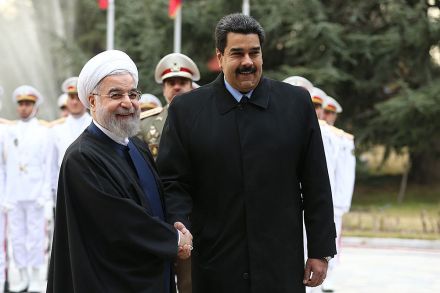
Why Iran needs the Maduro regime

The aircraft carrier Gerald R. Ford and three warships have been sent to the Caribbean, where they are joining a dozen Navy warships already off the coast of Venezuela, in an unprecedented show of military force. President Trump and his administration are taking aim at the administration of Nicolas Maduro, over his alleged role in the drug trade which presents a national security threat to the United States. It’s clear that if the US succeeds in destabilizing and displacing President Maduro’s regime, it would be a blow to the region’s drug traffickers. What is less known is that it would also hit Iran. Venezuela has long served as a launchpad for Iranian operations to establish a foothold in South America.

Israel and Iran come full circle

On September 28, the UN again imposed wide-ranging economic sanctions on Iran. Earlier in the summer, European powers had notified the UN Security Council of their intention to trigger the snapback mechanism within the original nuclear deal, the JCPOA, citing Iranian non-compliance with the terms of the original deal – specifically, the eye-watering percentages to which Iran is enriching uranium. And without a new resolution being agreed upon, the same sanctions that crippled the Iranian economy from 2013 to 2015, effectively dragging Tehran to the table in the first place, will have a devastating effect on ordinary Iranians who will see the value of their currency plummet and the price of daily goods skyrocket.

Iran

A chat with the Princess of Iran

The Princess of Iran is casual over email. Noor Pahlavi, the 33-year-old eldest daughter of Iran’s Crown Prince in exile, Reza Pahlavi, is American-born, a potential heir to the Iranian throne and ready for regime change in the Middle East. “Hi it’s been a crazy couple of weeks,” she wrote me a few days after the US plopped some 400,000 pounds of bombs on the Islamic Republic’s nuclear sites. That same week, Reza began to appear across Western media, calling for rebellion within Iran and support from without: “This is our Berlin Wall moment.” Reza is the son of the last Shah of Iran. His family has become a symbol of a Persian, pre-Islamist Iran, and Reza casts himself as the transitory figure to lead the country into a more liberal post-regime future.

What to do about Iran?

China is surely America’s most dangerous threat over the medium term, but Iran is surely the most dangerous right now. The Islamic Republic would be even more dangerous if the Israelis had not decimated the Mullah’s deadly “ring of fire,” the proxy forces across the Middle East funded, armed, trained, and directed by Tehran. But removing these proxies (all except the Houthis in Yemen) does not remove Iran’s nuclear threat. That threat now faces the Trump administration and Netanyahu’s coalition in Israel, leaving only difficult choices. To understand the current problems, we need to grasp a series of fundamental issues surrounding Iran’s nuclear program. • What are Iran’s objectives?

Fordow

Will Iran’s foreign policy change after Raisi’s death?

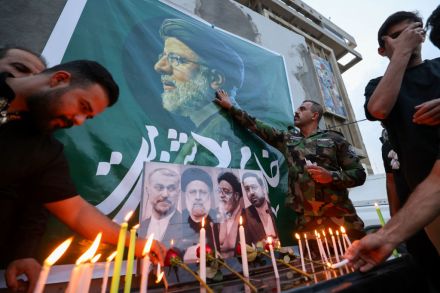
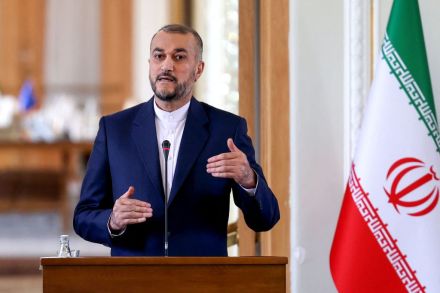
Ebrahim Raisi, the hardliner jurist-turned-president of the Islamic Republic of Iran, died in a plane crash over the weekend after coming back from a ceremony marking a new joint dam project with Azerbaijan. Iranian foreign minister Hossein Amir-Abdollahian, who was also on board, perished in the crash as well.  Few Iranians outside the political system will mourn their deaths. Raisi, for instance, was a notorious, unapologetic defender of the Iranian regime and first got involved in its machinations in his mid-twenties. In 1988, he served on a panel that handed down death sentences for thousands of dissidents.

iran ebrahim raisi

What Iran’s attack on Israel means for the Jewish state, America and the region 

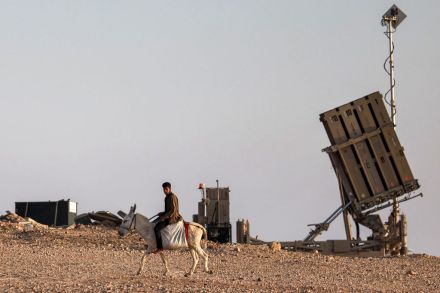
Iran’s unprecedented attack on Israel Saturday night represents a dangerous escalation for three reasons. The first is its scale, some 300 drones and missiles. Second, it marks the first time the Islamic Regime has launched a lethal attack on Israeli territory from Iran itself, rather than through proxies. Most important of all is the combination of the first two: a major attack launched against Israel from Iranian territory. Although Israel, the US, the UK and, surprisingly, Jordan managed to shoot down nearly all the incoming drones and missiles, it was the thought that counts. And it was a very dangerous thought. Within hours, the Iranian attack changed the region’s strategic landscape.

israel iran

Senator Lankford defends his immigration deal

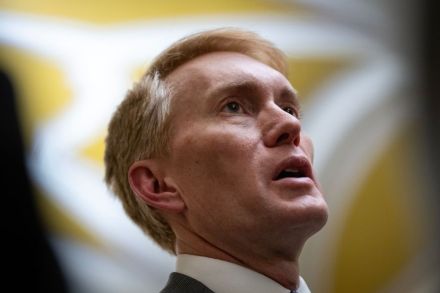
Senate Republicans who are negotiating an immigration reform bill with Democrats are defending their efforts after conservatives reacted angrily to leaked details for the deal. The lead negotiator, Senator James Lankford, said on Fox News Sunday that his detractors are relying on “internet rumors” to fuel their opposition to the bill.“This bill focuses on getting us to zero illegal crossings a day,” Lankford said. “There’s no amnesty, it increases the number of border patrol agents, it increases asylum officers, it increases detention beds so we can quickly detain and then deport individuals.

james lankford

The truth about the US-Iran prisoner deal

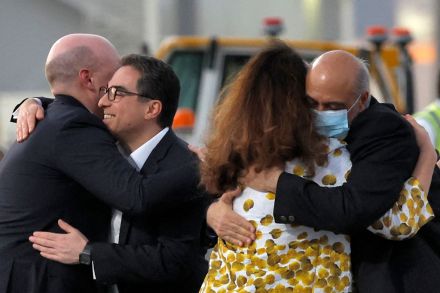
Negotiating with Iran can be the diplomatic equivalent of a day-long migraine. While Iran policy often strikes a chord in Washington, DC, people across the political spectrum come together on this basic proposition: the Iranians are some of the best hagglers on the planet. Wendy Sherman, a career US diplomat who played a major part in negotiating the now-defunct Iran nuclear deal, referred to the Iranians as legendary for their skill at the bargaining table. Donald Trump alluded to their skill, too: “[T]]he Iranians, frankly, are great negotiators,” he said in 2016. And former ambassador (and now CIA Director) William Burns commented the same year, “The Iranians are very skilled negotiators, very tough.

The hijab is not a feminist symbol

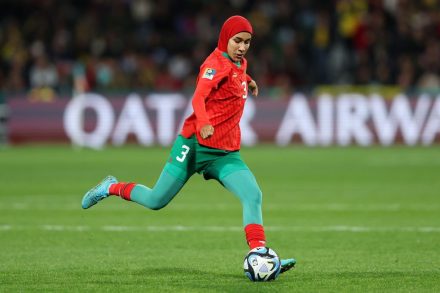
The Women’s World Cup has tied a bow around a summer of own goals in feminist ideology. Barbie — yes, that plastic blonde with impossible proportions — became the feminist icon of the summer, trans women silenced the voices of biological females and the story of Lia Thomas’s prowess remains etched in our minds. But for the grand finale of this summer's theater of the absurd? White Western women elevating the hijab onto the pedestal of feminist glory. For those who may not know, the hijab is a religious headscarf traditionally worn by Muslim women. While the practice dates as far back as the fourth century AD, the popularity of the hijab is actually quite new, with a stark rise beginning in just the 1970s.

hijab

Israel’s wake-up call to America

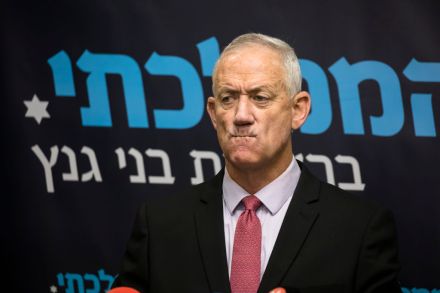
Last month, then-Israeli defense minister Benny Gantz made headlines when he said that Israel may strike Iran’s nuclear infrastructure within two to three years. Gantz has made readying Jerusalem for this contingency a priority, and in November said that Israel had “achieved preparedness, we have [more] capabilities we are developing and we have long-term processes I don’t want to elaborate on.” But while Israel may have the capability to hit Iran, the US should not force it to risk such a strike.

The US must punish Iran for aiding Russia

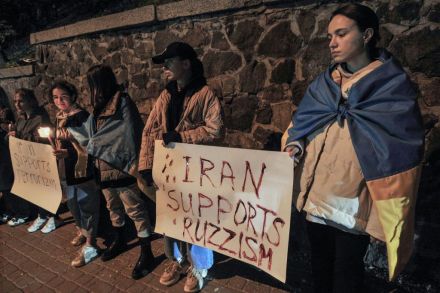
Russia’s brutal war in Ukraine has been disastrous for Vladimir Putin, but it has been a boon for the Islamic Republic of Iran. Western nations are increasingly concerned about Tehran’s profitable cooperation with Moscow, as Iran leverages Russian desperation to fuel its own ambitions. So far, Iran has sent hundreds of drones to Russia along with training personnel, and may soon send ballistic missiles. Tehran has continued its malign activities in the Middle East as well, attempting to steal American drones and blind American ships, attacking and endangering American forces and personnel, and supporting destabilizing groups such as the Houthis in Yemen. Iran has also ruthlessly repressed widespread protests at home.

Why Biden’s attempt to revive the Iran deal is faltering

Robert Malley may not technically be a diplomat, but he walks and talks like one. A specialist in the Middle East, Malley has extensive experience in government. He had an integral role in negotiating the Joint Comprehensive Plan of Action, or JCPOA, the deal that limited Iran's nuclear activities in exchange for sanctions relief. President Biden brought him into his administration as his special envoy to Iran in the hope he could find some way to bring both Washington and Tehran back into an agreement. Nineteen months later, Malley himself bluntly admitted that the talks were, if not dead, then frozen for the foreseeable future. Speaking at the Carnegie Endowment for International Peace, Malley said the Biden administration is no longer thinking much about the negotiations.

iran

Iran and Russia: the new Axis of Evil?

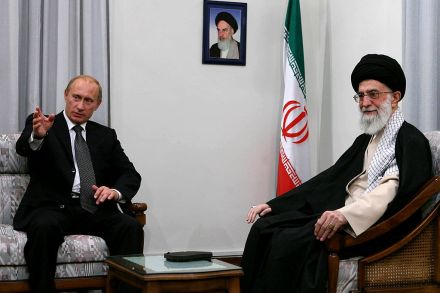
Russian President Vladimir Putin’s visit to Tehran last week brought attention to a growing partnership between Russia and Iran. The Russian shook hands with Iranian Supreme Leader Ali Khamenei, a rare gesture since both men are notorious coronaphobes. The old cleric expressed support for the Russian invasion of Ukraine, while the old KGB man offered Iran supplies of grain. US intelligence even claims Iran will open its drone arsenals to Russia. This strange friendship has its limits, but its growth could spell trouble. History does not suggest this is a natural partnership. The list of grievances between Iran and Russia is long. Great powers are often rough with middle-power neighbors.