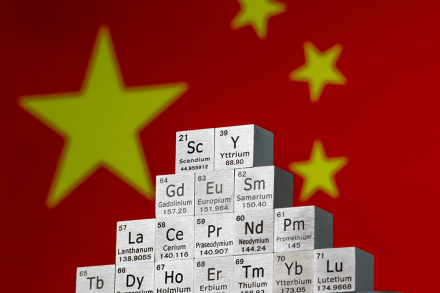
China is holding the West to ransom over rare earths
China’s naked weaponization of rare earths brings to mind Mao Zedong’s "four pests" campaign, the old tyrant’s fanatical effort to exterminate all flies, mosquitoes, rats and sparrows, which turned into a spectacular piece of self-harm. Sparrows were always an odd choice of enemy, but Mao and his communist advisors reckoned each one ate four pounds of grain a year and a million dead sparrows would free up food for 60,000 people. The campaign, launched in 1958, saw the extermination of a billion sparrows, driving them to the brink of extinction. But the sparrows also ate insects, notably locusts, whose population exploded, and the ravenous locusts wreaked far more damage to crops than the sparrows ever did, hastening China’s descent into the deadliest famine in human history.