Russia’s sabotage campaign against the West
From our UK edition
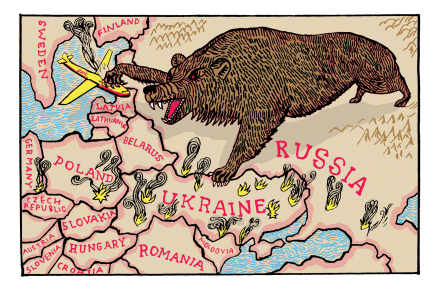
When a DHL cargo plane crashed while approaching Vilnius airport on Monday, killing one of the crew, it looked like technical failure, but given that Russia was believed to be behind a series of incendiary devices which ignited on DHL flights and in warehouses this summer, inevitably many feared Moscow’s hand. The suspicion is likely to be the point. In the past year, the Russians have stepped up their disruptive activities in Europe, from cyber-attacks to assassinations, with the apparent aim of generating chaos and a climate of fear as much as anything else.