Paganism

Vampires, werewolves and Sami sorcerers

I have to be honest: I’ve never been much concerned with what happened in the Grand Duchy of Lithuania in 1387. I suspect that may even be true for many Lithuanians. In Silence of the Gods, Francis Young pinpoints this year – of the conversion of the duchy to Christianity – as the official triumph of Christianity in Europe over paganism and idolatry. But he then goes on to examine the debris – and the survivors of paganism and their traditions in the northern regions of Europe. The first difficulty is defining and identifying paganism. The book is published by Cambridge University Press, so there is an unmistakably academic, seminar-ready, conference-hardened edge to the text.
How pagan is Christmas?

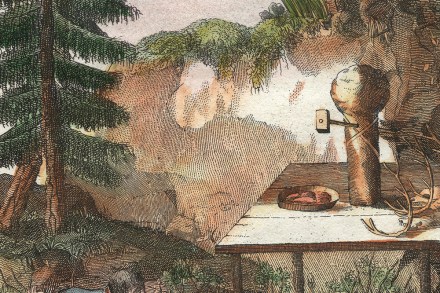
Many people today feel an ambivalence towards the history of the Christmas festival. They sense that it has deep pre-Christian roots and yet are also aware that most of the actual customs associated with it are relatively modern. The problem is that both views are correct. Most of the current trappings of the season are Victorian inventions or importations: the cards, the tree, the stocking, the turkey and Father Christmas with his reindeer and his sack of presents. Even local seasonal activities which look genuinely primeval have turned out not to be.

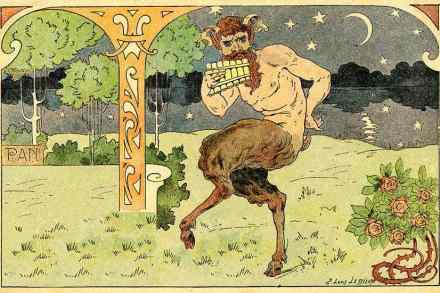
The Great God Pan is all things to all men

Pan’s name is thought to derive from ‘paean’, the ancient Greek verb meaning ‘to pasture’. His half-man, half-goat form reflected his role in protecting flocks of goats and those who herded them among the wild hills of Arcadia. Panic was his superpower, freaking out mortals in the woods with distorted sounds, even neutralising hostile armies. This might seem like an adequate portfolio of godly aspects, but, as Paul Robichaud demonstrates in Pan: The Great God’s Modern Return, it didn’t take long for things to get more complicated.