Opioids

Dan Patrick’s war on weed gummies could endanger Texas Republicans

From our US edition

In a press conference that veered into awkward sketch comedy in Austin, Texas, yesterday, Lieutenant Governor Dan Patrick railed at reporters over a table full of THC snack products sold in the state as he demanded the media alter their reporting on Senate Bill 3, which he’s called “the most important bill this session” – an effort to effectively ban the sale of any THC products in the state.  “This is everything you can buy at a smoke shop and a vape shop that will either cause potentially paranoia, schizophrenia (or) tremendous health issues,” Patrick said. “Why have I called you here today? Because I don’t think the media has taken this issue seriously. I don’t think the story has been told.

thc gummies dan patrick

The Cuban ER doctor’s long-shot Senate bid in Washington State

From our US edition

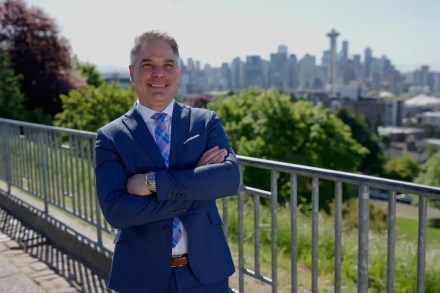
Dr. Raul Garcia seems to follow a long Republican tradition in Washington State. He’s a fifty-three-year-old, Cuban-born ER physician who’s emerged from the primaries to challenge the four-term Democratic incumbent Maria Cantwell for her US Senate seat this fall. On the face of it, Garcia’s candidacy is just the latest in a line of plucky but ultimately doomed bids by a GOP outsider to unseat a tenured politician in this part of the world. A couple of years ago, a self-described farm girl from the Seattle suburbs with the striking name of Tiffany Smiley gave Washington’s other senator Patty Murray a run for her money, but in the end the incumbent scraped through for her sixth turn at the public trough.

raul garcia

Wales is facing a US-style opioid crisis

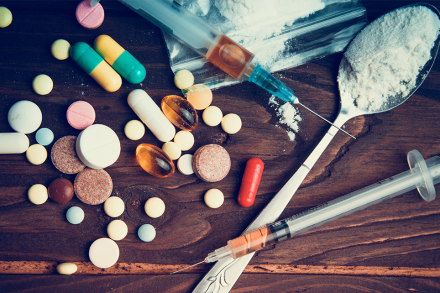
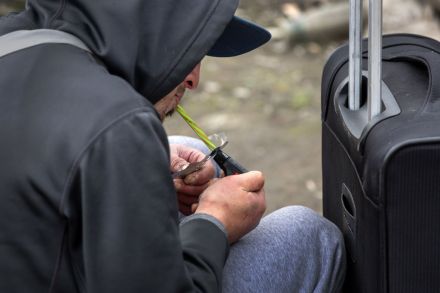
In Europe at the end of the Noughties, the problem drug was krokodil. The semi-synthetic, necrosis-causing alternative to heroin was cheap. My father favoured it so much before his death that he started importing it from eastern Europe into Wales. Across the pond right now, the problem drug is fentanyl, which has made its way into much of the US drug supply. Indeed, it’s become so synonymous with death that many casual users have given up the bag all together (‘I love a line, but I’m not going to die for it,’ one Manhattanite told me recently). More than 75,000 Americans died from synthetic opioids in 2022. And now the opioids crisis has arrived in Wales.

Cindy Yu, Mary Wakefield and Natasha Feroze

18 min listen

This week: Cindy Yu reads her piece ahead of the Taiwanese elections (00:54), Mary Wakefield discusses the US opioid crisis which she fears has come to the UK (07:13), and Natasha Feroze tells us about the rise of relationship contracts (13:26).  Produced and presented by Oscar Edmondson.

Biden must do more to disrupt the fentanyl supply

From our US edition

As 2022 comes to a close, the United States finds itself confronting myriad threats. But there is perhaps no more immediate threat to Americans’ safety and security than illicit drugs. The numbers are staggering. Illicit drugs have killed more than 1 million Americans since the turn of the century, with over 108,000 dying in last 12 months alone. One drug in particular, fentanyl, is now the leading cause of accidental death for adults between the ages of 18 and 45 — more than car accidents, violent crime, and suicide. And the flood of fentanyl into the US shows no signs of abating. In view of this rising ride, the Biden administration has embraced a range of new policies focused on harm reduction and treatment, two historically overlooked areas of American drug control efforts.

Will the opioid enablers ever pay?

From our US edition

More than two decades into America’s catastrophic opioid epidemic, the demographics of this unprecedented tragedy are clear. By far, the brunt of the harm has been borne by America’s poor and working classes. Multiple studies show a strong correlation between lack of employment, economic distress and overdose fatalities. Indeed, a 2021 study by the National Academy of Sciences concluded most of the decline in life expectancy beginning in the mid-1990s among working-age men and women was attributable to drug poisonings of people with a high school education or less. Standing in sharp relief to portraits of its primary victims are its perpetrators. Those most responsible for this epidemic are part of America’s best educated and economically privileged classes.

opioid

The Real Housecucks of Ohio

From our US edition

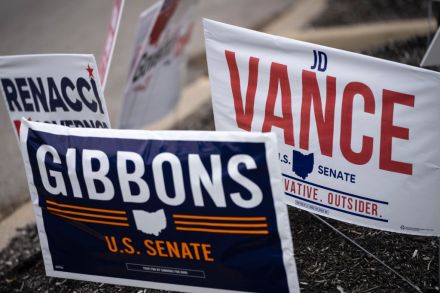
After eight months that felt like eighty years, the Ohio Republican Senate primary has at last come to a close. It ended as it began, as a kind of highbrow-cum-low political farce, Aristophanes’ take on post-Trump America. Think a pileup of clown cars on the highway — and then cut to a grinning Donald Trump in a rescue helicopter, swooping down tauntingly only to pull back up again. From the start, the race was an exercise in how far good men would go in order to nab an endorsement from The Donald. And while obscene, the endless attention seeking did have a certain thrill to it. Would JD Vance deny that Vladimir Putin exists? Would Josh Mandel murder an epidemiologist on live TV? Tune in next week to find out, only on The Real Housecucks of Ohio.

Vital, damning docudrama about the Sacklers: Disney+’s Dopesick reviewed

One of my first jobs in journalism was as the arts correspondent of the Daily Telegraph. I’d hop on my motorbike in my greasy leathers (which I used to wear around the office, much to my then editor Max Hastings’s consternation) and zoom off to all manner of exhibition and gallery openings, many of them somehow related to the name Sackler. The Sackler family at the time were the world’s greatest arts philanthropists, with galleries and museums and rooms named after them from New York, London and Paris to the Far East. Like almost everyone, I had no idea of the source of their apparently limitless wealth. But I knew for sure that the Sacklers were a good thing, for art is beautiful and philanthropy admirable, right? That, though, was another time and another world.

Did Chinese fentanyl kill Michael K. Williams?

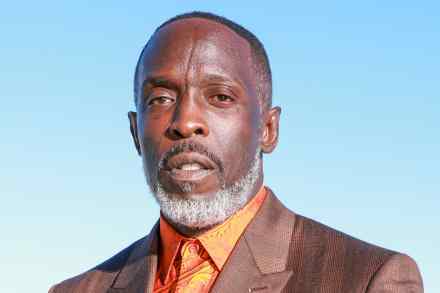
Did Chinese-manufactured fentanyl, a synthetic opioid, kill Michael Kenneth Williams, the man who played ‘Omar’ in The Wire? Within minutes of his death being announced yesterday, speculation was circulating on Twitter. New York Police Department sources have told the Daily Mail they suspect fentanyl was involved. The world only seems to notice when a celebrity overdoses. In 2016, Prince's death from a cocktail of fentanyl and other substances was an important milestone in awakening America to the horrific opioid drug epidemic that had crept up on the country since the 1990s. But lots of non-famous people are dying all the time because of fentanyl from China, which has flooded the US criminal scene in recent years.

More drugs!

From our US edition

In rural upstate New York, where I grew up, pot-smoking was disproportionately a sport of farmers’ kids. That’s because inequitable ownership of land meant that some people could grow weed more discreetly than others. Among those with acres to till, private oases of marijuana were easily created by their offspring out of sight — especially, I recall, in between tall rows of feed corn. And with easier access to the drug, the sons and daughters of farmers also seemed to smoke more of it than the kids who were forced to rely on retail. This brings us to a paradox that, while not exactly one of Zeno’s, amounted to my earliest intuition of a chicken-and-egg problem.

drugs

Newsweek and the misunderstanding of ‘white death’

From our US edition

If you were concerned about ‘white death’ you can rest easy. Newsweekis here to tell us that the rise in white mortality is due to white people not knowing how fortunate they are. You think I’m kidding? The article proclaims that new research has found the ‘anxiety of whites’ is based on ‘a misperception that their dominant status in society is being threatened, which is manifesting in multiple forms of psychological and physiological stress.’ What a relief! And what poor tools. If only we could emphasize to them that their perceived loss of status is based on misperception, they could stop taking fentanyl. The research has been conducted by Arjumand Siddiqi and her colleagues from the University of Toronto.

white death

Michael Moorcock: Why banning opioids has been a disaster for me

Returning to the United States a short while ago I received a stern talking to from an immigration officer. Why had I been in Paris longer than usual? I’ve lived in the US for nearly 25 years. I originally moved to be closer to my son, who was being educated nearby, and to my American wife’s relatives in Houston. We bought an old house in a small town about an hour from Austin. Built for his new bride by the only Confederate governor of Texas after he came back from the civil war, it’s rather eccentric. We fell in love with it immediately, planning to live there for at least as long as my son was in the US.