Offices

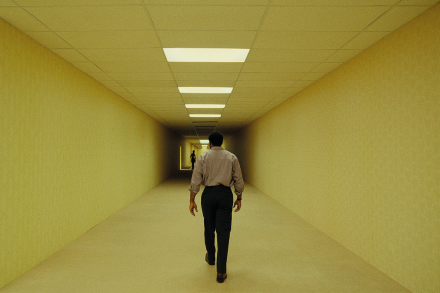
How the office has come to haunt us

Should we hop on a call? Let’s touch base. Let’s take this offline. Let’s circle back to your last slide deck. Let’s get those action items actioned by close of play. We need stakeholder buy-in. We need deliverables. We need to make sure you’re aligned with company culture. We’re concerned you’re not leveraging your core competencies. After careful consideration, management has made the difficult decision to terminate your contract. We’re committed to helping you with this transition. Corporate jargon is zombified language. These euphemisms and elisions are the soulless husks of words, meant to blunt the sharp edges of human emotion (sorry – ‘maintain professionalism’). And they often leave you feeling a sneaking sense of dread.
How private equity changed the world

The 50th birthday of New York private-equity giant Kohlberg Kravis Roberts – founded with $120,000 by the cousins George Roberts and Henry Kravis and now holding $758 billion of assets under management – is a moment to ask whether the modus operandi the firm pioneered has been good or bad for the world. Private-equity buyouts of underperforming public companies have certainly been a catalyst for sharper corporate performance across every western economy. But with what impact on society? Some buyouts also provide cover for ‘sin’ businesses that harm the planet or deny workers’ rights. KKR itself will never live down the book title Barbarians at the Gate, referring to its ruthless 1988 takeover of RJR Nabisco.

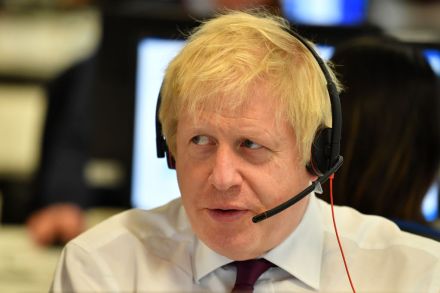
When will Boris urge workers to return to the office?

One of the big post-Covid unknowns is whether people will return to big city centre offices or not. As I write in the Times today, the truth is that no one in government can be quite sure of what is going to happen. The Government does have some levers it can pull if it wants to nudge people back to their desks. At present it is instructing people to work from home, advice that’s not due to be reviewed before 21 June. There is also the question of social distancing. If the one-metre rule remains in place after 21 June, it will restrict how many staff any business can accommodate. There is a recognition that you can’t push people to crowd onto public transport until you can be sure it is safe The government can set an example if it wants to.

Skyscraper squats and a lesson from India: the future of British architecture

Not long ago, if you asked discreetly in the right Hackney pub, you would be put in touch with a character called Syd the Squatbroker. For as little as £150, he would gain access to the roof of an abandoned council tower block with a set of fireman’s keys. Then Syd (nom de guerre of a carpenter from Harlow) would abseil down to a window, gain entry and open an empty flat. Sometimes he would cut through heavy steel squat guards using oxyacetylene cutting gear. Latter-day squatbrokers aren’t yet abseiling down the Shard or Canary Wharf’s glass and steel phalluses to liberate underused office spaces and thereby help solve London’s housing crisis, but you’d think they must be tempted. Post-Covid, home working is becoming permanent.

The rise of blocked-off design

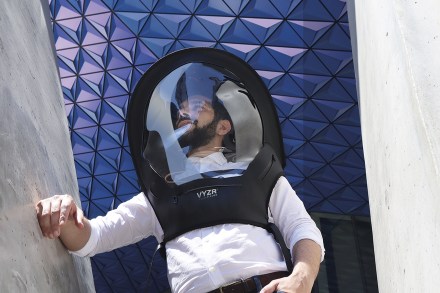
Plexiglass bubbles hover over diners’ heads in restaurants. Plastic pods, spaced six feet apart, separate weightlifters in gyms. Partitions of all kinds are creeping up in workplaces. As offices, restaurants, bars and businesses reopened after months of lockdowns and closures, a new phenomenon emerged, one that I’ve come to think of as ‘blocked-off design’. It’s design and layout that aims to construct and enforce distancing in a somewhat makeshift way. It’s characterised by partitions, sheer walls, six-foot markers. As a visual language, it’s defined by barriers and blockage — physical reminders that spaces where we once went to mingle with others are now fraught, and that even in public, isolation is necessary.