Nova scotia

Margaret Atwood’s autobiography reveals a steely self-possession

From our US edition

The problem with the contemporary literary life, most of its observers usually agree, is that nobody at large in it does anything much except write. A century ago, your specimen male novelist could be found fighting in wars or traveling to places from which the reportage he brought back had genuine novelty. These days, alas, our man just sits at a desk and every so often looks out of the window at the teeming world beyond. The trajectory of the 21st-century novelist is as familiar – and as unavoidable – as a portrait of Taylor Swift. You grow up, you show an aptitude for literature, you start writing books and, unless something very unusual happens, you go on writing them.

Margaret Atwood

The English lieutenant’s Frenchwoman: the tragic story of Adèle Hugo

In 1882, a sneaky reporter from the Figaro managed to track down Victor Hugo’s only surviving, long-forgotten child to an expensive mental asylum on the edge of Paris. He stalked her as she was being taken for a walk in the local park. She had the ‘profile of a duchess’, ‘staring black eyes’, a perilous hopping gait and odd compulsions. According to the reporter’s inside source, ‘Mme Pinson’ had spent a month removing all the rocks from the asylum’s long driveway and then replaced them one at a time. Thirty-three years later, she could still play the piano and claimed to be writing an opera titled Venus in Exile. She also enjoyed tearing up the pages of books and stuffing the confetti into her bag.

Makes me nostalgic for an era when music was more than a click away: Teenage Superstars reviewed

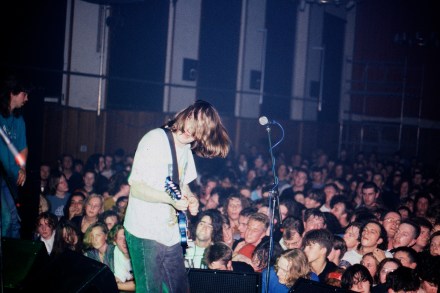
In Teenage Superstars, a long and slightly exhausting documentary about the Scottish indie scene of the 1980s and ’90s, there was a moment when a man revelling in the name of Stephen Pastel — his real name is Stephen McRobbie, and he must be pushing 60 now — was described as ‘the mayor of the Scottish underground’. Such a position — even one, as this, necessarily unelected — would be all but impossible to occupy today. With the internet and democratisation of music — its creation, its distribution, its consumption — has come the fallowing of what were once its most fertile fields: the local scenes created and inhabited by small numbers of interconnected people and encouraged by confident tastemakers — such as Pastel.