Natural history

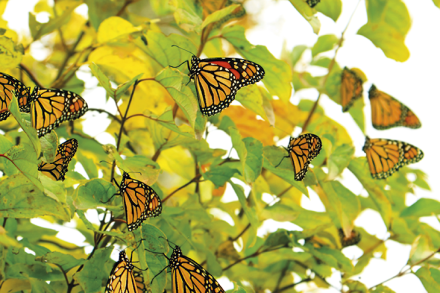
The sex life of the Monarch butterfly is positively wild

Wendy Williams is an enthusiast, and enthusiasm is infectious. Lepidoptery is for her a new fascination, and it shows. On the plus side, her excitement shimmers as freshly as a newly-hatched Adonis Blue. She marvels, and makes us marvel, at the miracles she discovers. She wonders at the strangeness of a butterfly’s proboscis, which is not, as it appears, a drinking straw (even butterflies cannot suck through a straw longer than their own bodies), but works by capillary action, blotting up fluids and sending saliva down to dissolve sticky or solid secretions.
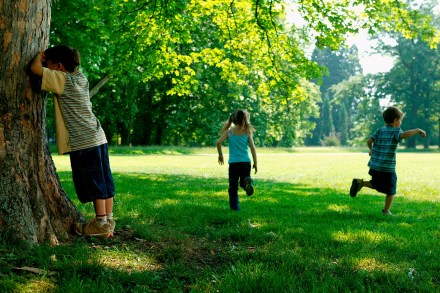
Children should get out more — even if it’s for hide and seek in the park

We live in an urban world. It’s a statistical fact. The great outdoors for most of us is a thing of the past — a place, like elderly relatives, to be visited infrequently and preferably with gloves. Metro world, by contrast, is safe, insulated, inviting. No getting wet in the rain, no patchy wifi, no mud on our new Nikes. Little wonder that our education system has gone the same way: safe, sedentary, sterile. Patrick Barkham thinks there might be a better way. Give kids more space, he pleads. Free them up from rules and tests. Climbing trees, prodding roadkill, collecting grubs: hell yes, if they want to, why not? The statistics (that boring, schooly word again) suggest he might be on to something. One in eight British youngsters can’t identify an oak leaf.

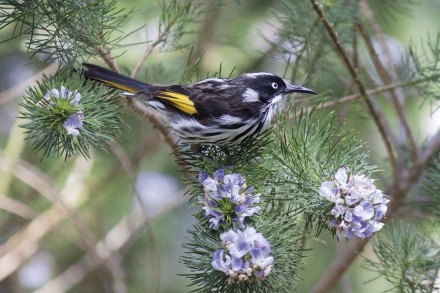
Ireland through the eyes of a brilliant teenage naturalist

Dara McAnulty is a teenage naturalist from Northern Ireland. He has autism; so do his brother, sister and mother — his father, a conservation scientist, is the odd one out. This book records a year in the life of a gifted boy in an unusual family. Minutely detailed observations of birds, insects, trees and weather are woven into an ecstatic description of the unrolling of the seasons. It is also an impassioned and original plea for protection for ‘our delicate and changing biosphere’. The diary is valuable in several ways. The writing of it is necessary to Dara himself, his means of processing his experiences. When he’s outside, absorbed in nature, he’s mentally storing his observations.

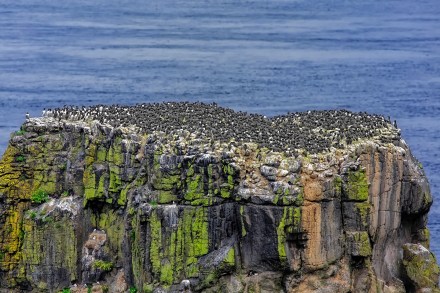
Where did birds first learn to sing?

The crisis inflicted by Covid-19 has been a source of anguish for everyone; yet we frequently hear how people are rediscovering solace in nature, especially in their gardens or in the surging renewal of life in the spring. According to Tim Burt and Des Thompson, the editors of a collection of essays about the importance of field research, this fulfilment reveals something much more profound than a distraction from lockdown.They argue that a response to the natural world is hardwired in the human psyche. Out of that fundamental reflex has evolved not just our prowess as hunters, then agriculturalists, but the entire edifice of science, whose assembled vision of the physical universe was described by C.P.

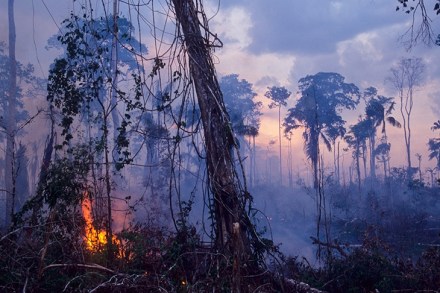
Nature fights back with tooth and claw as we persist in destroying it

Where to turn in anxious and febrile times? One answer is to nature, or the ‘non-human living world’, which, despite the ravages inflicted on it by humans, continues to offer solace and hope to many. Such, at least, is a possibility linking these fine but quite different books. Lucy Jones’s starting point in Losing Eden is her own struggle with depression and addiction a few years back. She writes that three of the things that helped her recover — psychiatry, psychotherapy and the support of others — were straight-forward, but the fourth was more mysterious: a greater connection with the natural world. Surprised and interested, she embarked on investigating the power of nature to heal.

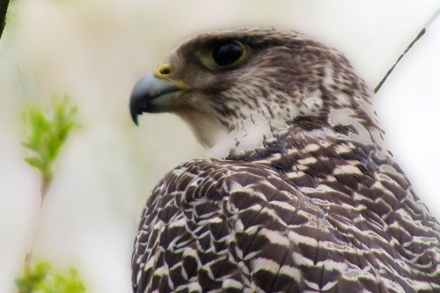
Dangerously desirable: the white-morph gyr falcon commands sky-high prices

The art of falconry is more than 3,000 years old and possibly as popular now as at any time. Its devotees argue that in a pure form it is a deeply honourable tradition, requiring superhuman patience to coax a magnificent predator to hunt at the owner’s behest. It is a relationship, they would also claim, of mutual understanding and partnership between hawk and human. That’s the positive version. At its most degraded, falconry seems to be a psychopathological obsession, rooted in a fetish for control over beautiful raptors, which sometimes drives practitioners to morally dubious, even illegal, behaviour. The American journalist Joshua Hammer has written a revealing portrait of the sport that is located at a point where these two versions intersect.