How Artemis II returned to Earth
From our US edition
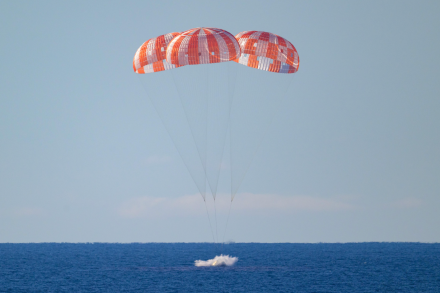
The key event in the return of the Artemis II crew was the moment of real drama during what mission controllers call Entry Interface. The capsule is 400,000 feet above the Earth and still traveling at 25,000 miles an hour. They were among the fastest humans even though they did not break the incoming speed of the Apollo 10 mission. It is only fourteen minutes until splashdown in the Pacific, there is no turning back, no second chance, re-entry will happen no matter what. A few hours earlier the crew donned their orange so-called crew survival suits and lowered their visors. In essence these are personal spacecraft providing everything they need to survive for up to six days. Their water-cooled inner suit was keeping them cool even though the cabin temperature was normal.