Meta

China wants robots to look after the elderly

An AI data centre – imagine a factory of buzzing wires and computing equipment cooled by industrial fans – can consume as much power as a city. It has been estimated that, not too long from now, we’ll require 92 cities’ worth of extra power just to meet the demands of artificial intelligence. Ergo, the heat is on – but so, it is said, is a new cold war. On Radio 4 last week, Misha Glenny was exploring how the rapid evolution of technology is shaping the rivalry between the US and China. It turns out that the race for pre-eminence – in AI, at least – is as close as the 1973 Grand National. Red Rum (China) has the current lead, but that lead is ‘razor-thin’ and is thought to owe something to the nature of American tactics.


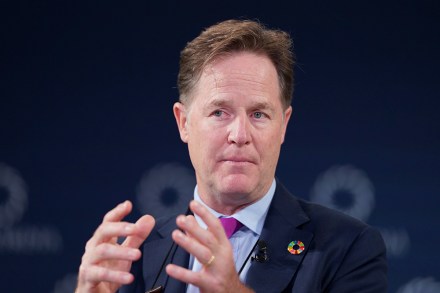
Even now, Nick Clegg offers too little too late

Earlier this year a former staffer of what was then Facebook, now Meta, wrote a gossipy tell-all memoir about her time in the office there. It was a huge hit – especially after the company’s chief global affairs officer Joel Kaplan secured a ruling to prevent its promotion. Careless People, by Sarah Wynn-Williams, proved that there was a considerable appetite for anything that describes what it’s like to work for big tech. All of which boded well for Nick Clegg, who was Kaplan’s predecessor as the public face of Meta to governments across the world – until his departure was unceremoniously announced a few days before Donald Trump’s return to the White House.

Petty, malicious and tremendous fun – the Facebook office drama

Careless People, Sarah Wynn-Williams’s account of her time at Facebook, has landed top of the New York Times’s bestseller charts and fourth in the UK’s Sunday Times equivalent. It owes its success in large part to a ferocious campaign that Meta – Facebook’s parent company – waged against it on publication. When Meta faces a barrage of public criticism, which it often does, it typically stays quiet and gets on with things. And that approach works – its share price has continued to soar despite scandal after scandal. So when the company not only published a series of furious denials but also had staffers post about the book on their personal social media feeds, and even launched a legal action to prevent Wynn-Williams promoting it, people started to take notice.

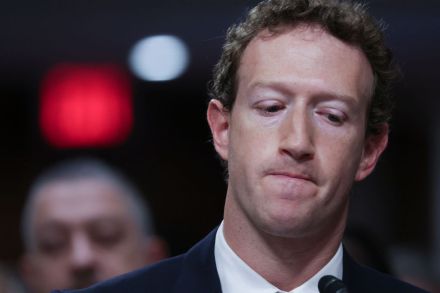
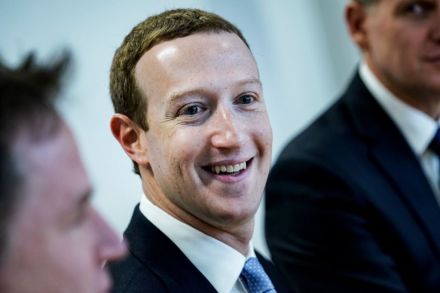
Zuckerberg’s curious confession

Well, there you have it. Mark Zuckerberg, CEO of Meta, has confirmed that Facebook did indeed censor news of the New York Post’s 2020 Hunter Biden laptop story. But The Zuck had a rather curious tale to tell. Appearing on The Joe Rogan Experience, Zuckerberg was questioned by Rogan on Facebook’s approach to fake news and misinformation. In the discussion, the question of Hunter Biden’s laptop arose.