Magic realism

No Hungarian rhapsody: Lázár, by Nelio Biedermann, reviewed

Few first novels, let alone literary debuts in translation from German, arrive with quite so many plaudits – or better covers for those who like horses – as the 23-year-old Nelio Biedermann’s Lázár, which sold more than 200,000 copies on its release in Germany and Switzerland last year. ‘A truly great writer steps onto the stage,’ trumpets Daniel Kehlmann, who is no stranger to great writing: his latest novel, The Director, is on the International Booker Prize longlist. To Patti Smith, Biedermann is ‘gifted’. He is also a scion of the eponymous Lázárs, an aristocratic Hungarian family, making this first foray into fiction a personal project.

A portrait of alienation: The Loneliness of Sonia and Sunny, by Kiran Desai, reviewed

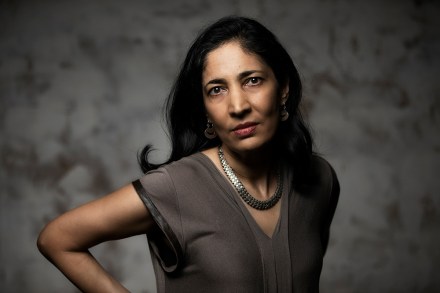
Twenty years on from winning the Booker Prize with The Inheritance of Loss, Kiran Desai returns with a vast masterpiece of a love story which has been longlisted for this year’s prize. Our two protagonists, Sonia and Sunny, come from wealthy neighbouring families in Allahabad, but both are in America when the novel begins. Sonia is in Vermont, working for the college library while finishing her studies, and Sunny is in New York, as a reporter for the Associated Press. When Sonia flees a coercive relationship after suffering depression and Sunny agrees to help a childhood friend choose a bride, they both return to India, where they encounter one another on a train from Delhi to Allahabad.

Out of this world: The Suicides, by Antonio di Benedetto, reviewed

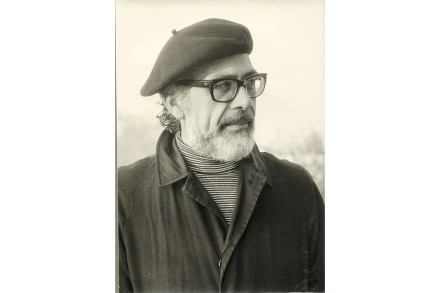
The NYRB logo is now something my eye leaps to when browsing, and the publisher’s eclectic range has proved consistently rewarding. The Argentine writer Antonio di Benedetto was praised by Borges, Bolaño, Cortázar and Coetzee. He was born in 1922, on 2 November, the Day of the Dead – which he made much of – and was imprisoned and tortured in 1976-77, during Argentina’s Dirty War. His eerie fables of paranoia, impending threat and incomprehension pre-empted his experience of them. Esther Allen deserves great credit for introducing the author to an Anglophone readership. Having read her translation of Benedetto’s Zama, followed by The Silentiary, I foundthe wait for The Suicides excruciating. But it was worth it.

A death foretold: the last days of Gabriel García Márquez

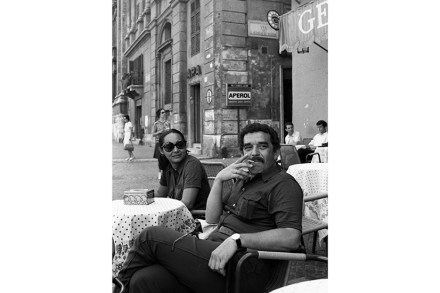
In March 2014 Gabriel García Márquez went down with a cold. The man who wrote beautifully about ageing was approaching his end. As his wife told their son Rodrigo: ‘I don’t think we’ll get out of this one.’ In A Farewell to Gabo and Mercedes, García, a film director and screenwriter, remembers his father and mother — one of the world’s greatest novelists and his muse. Comprised of short chapters, some of which reflect the journal he wrote while travelling back and forth between his LA cutting room and the family home in Mexico City, the book turns the venerable writer into a lively protagonist. The García Márquez who emerges is a quintessentially García Márquezian character.