Lithuania

A month in the Baltics

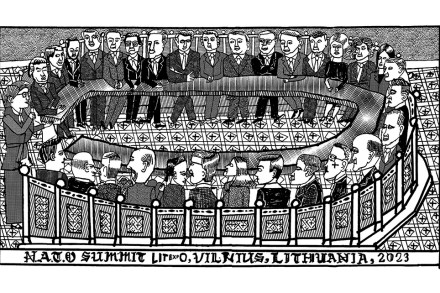
On Joe Biden’s first day in Lithuania, he skipped the opening dinner of world leaders at the NATO summit and made a beeline from the airport to his suite at the opulent Kempinski Hotel for a plate of spaghetti bolognese and some quality sack time. My introduction to the country a couple of weeks later involved no fanfare, but was far more memorable. I woke up in the 700-year-old Jaunpils Castle, in a fantastic, out-of-the-way place, lost to my teenage son in an archery competition there and then drove south on winding country roads to northern Lithuania’s Hill of Crosses, a place that better symbolizes the victory of faith over communism than any other. The Baltic countries — Lithuania, Latvia and Estonia — are often lumped together.

Lithuania

The Baltic nations show the world how to defend freedom

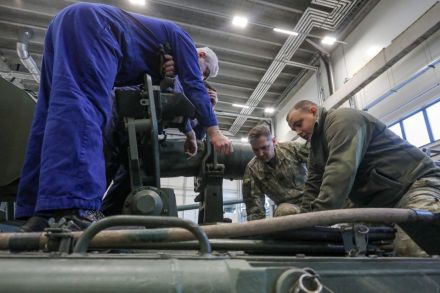
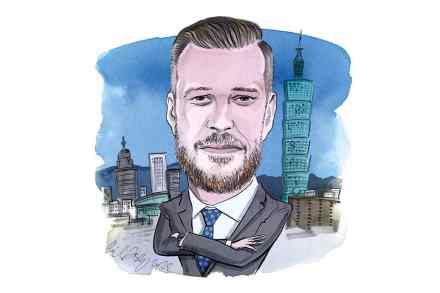
It is not inevitable that the Baltic States of Estonia, Latvia, and Lithuania would be among freedom’s most potent defenders. Nestled between the Russian mainland and Moscow’s exclave of Kaliningrad, their only direct connection to their NATO allies is through the vulnerable Suwalki Gap. For its part, NATO only has small rotational forces stationed in the three countries. At first glance, one would expect these tiny nations (Lithuania is the largest at 2.8 million people) to prefer flying under the radar. Instead they have become some of the most vocal and powerful defenders of the Western way of life. Tiny though they may be, the Baltic countries have managed to stand up to the two greatest enemies of freedom at work today, Russia and China.

‘We are not cattle, we’re people’: everyday hell in Stalin’s labour camps

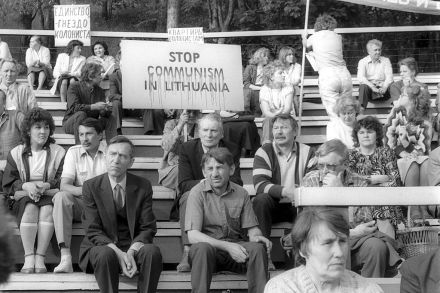
‘No testimony from this time must ever be forgotten,’ the great Lithuanian poet Tomas Venclova says in his afterword to Dalia Grinkeviciute’s memoir. The author was 14 in 1941, when the Soviets deported her with her mother and brother from their native Kaunas, Lithuania’s second largest city. In 1949, the women escaped from Siberia and went into hiding. Grinkeviciute began writing about her ordeal, but soon, facing another arrest, she buried the unfinished manuscript in a garden. More prisons and camps followed before she eventually returned home in 1956. Found in 1991 after her death, the memoir was published and became part of the school curriculum in Lithuania.