Libya

Cameron can make common cause to solve Europe’s immigration concerns

From our UK edition

Vince, it seems, is Vince. But Britain is not alone in struggling to arrest immigration. A mass of displaced North Africans is descending on Malta and Italy. The United Nations estimate that more than 20,000 people have already landed this year and many more expected. Neither Malta nor Italy can cope alone. On Monday, Malta called for the EU to invoke a 2001 directive that grants migrants temporary protection in cases of ‘mass influx’. Italy also petitioned Brussels to spread the physical burden. The EU did not acquiesce in either case, which especially outraged the Italian government: both Berlusconi and immigration minister Maroni said that the European Union stands and falls together, and they threatened to withdraw.

Saif Gaddafi: victim of circumstance…

From our UK edition

There’s truth in the cliché that actions speak louder than words. Benjamin Barber, once a board member of the Saif Gaddafi Foundation, has defended his former patron in today’s Guardian. He declares: ‘I still believe that among the conflicting voices that vie for Saif's tortured soul there is the voice of a genuine democrat and a Libyan patriot.’        Barber condemns Saif’s ‘abominable actions in the current crisis’, but remains convinced that his dalliance with democracy was genuine.

Hague’s return

From our UK edition

William Hague has had a good war. He began poorly, as the FCO struggled to evacuate Britons from Libya. But since then, the Foreign Secretary has showed deft diplomatic skill and leadership. The FCO has been focused on Libya and every able-bodied person has been drafted into duty, with diplomats now running the operation in No 10, and the Cabinet Office. On the Today programme, the Foreign Secretary batted away the idea, much loved by realists and pessimists, that because Britain did not know, with forensic detail, how exactly the intervention would end, it should not have become involved. There are many mountains still to climb.

Can Nato cope in Libya?

From our UK edition

Just because Nicolas Sarkozy believes something does not make it untrue. The French president was adamant that Nato shouldn't take over the Libya campaign. He preferred to run an ad hoc coalition of the willing. Britain, however, was keen for the alliance to take control of a mission that seemed too loosely-organised. Once the United States decided to fade into the background of the military operation, the impetus for a switch to Nato grew. A few weeks into the transfer, people are beginning to wonder whether President Sarkozy was right in the first place. According to yesterday's Sunday Times, Nato is doing what it did in Bosnia: blocking the rebels from arming themselves.

How might the MoD get round its spending settlement?

From our UK edition

The Ministry of Defence is Whitehall’s last monolith. Charged with the nation’s defence, it is powerful enough to challenge the Treasury. As Pete notes, there are signs that it’s trying to defer (if not avoid) the cuts laid out the punishing strategic defence and security review. It has many ways of doing this. Obviously it can use political pressure because troops are deployed in Afghanistan and Libya. But there’s also a neat accounting step that allows the MoD can transfer costs directly to the Treasury. You may recall that the Budget contained a £700m increase for ‘single use military expenditure’ (SUME) in 2011-2012.

Libya: winning the stalemate

From our UK edition

Author Alison Pargeter picks up the debate about Libya and al Qaeda in this morning's Times (£), dismissing the idea that a new "jihadist hotspot" is being created. As I wrote some time ago, it is difficult even for people who have travelled in eastern Libya to know anything for sure. I hear from sources in Benghazi that the Islamists number among some of the better troops - having had training and experience in fighting. They offer what one person called "small unit cohesion", in contrast to poorly-organised rebel force. But they do not seem to run or even hold sway over the movement. The bigger question in Libya right now, however, seems to be this: who can survive a stalemate - Colonel Ghaddafi or the rebels? Both face serious problems.

Gaddafi’s refugee army

From our UK edition

There is one particular question swirling around when it comes to Libya: how brittle is the regime and its military arm? An answer is now slowly emerging, and one that looks like good news for the rebels - if also yet more proof of Gaddafi's depravity. Reuters is running a story about refugees inside Libya, predominantly from sub-Sahara, being detained, beaten and robbed of their identity papers by Libyan soldiers only to be offered money to take up arms against the rebels. Fergo Fevomoye, a 23-year-old refugee who crossed the Libyan-Tunisian border, told Reuters: "They will give you a gun and train you like a soldier. Then you fight the war of Libya. As I am talking to you now there is many blacks in training who say they are going to fight this war.

Burying the dead

From our UK edition

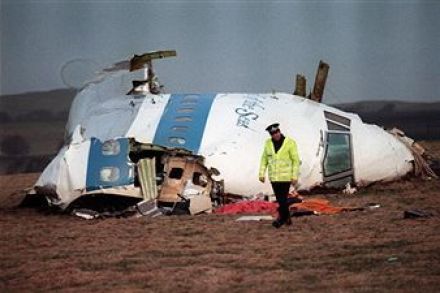
Lockerbie is back in vogue. The Telegraph reports that Mi5 has ‘conclusive evidence’ that Moussa Koussa was ‘directing operational and intelligence gathering activities against Libyan dissidents’ and organising support for terror groups. Koussa is expected to meet with Scottish prosecutors later this week to discuss the Lockerbie bombing. Also, the Libyan rebels have pledged to assist British security services investigate Gaddafi’s sponsorship of terrorism, particularly the IRA. Anything that brings Gaddafi and his most murderous henchmen to justice will give solace to victims. But no amount of water can wash away the grubby circumstances of al-Megrahi’s release.

Is al Qaeda in Libya?

From our UK edition

This is one of the key questions about the Libya intervention. The Libyan Fighting Islamic Group was once one of the largest jihadist groups in the world and many Libyans fought in Iraq. So the fear of al Qaeda's presence in Libya is well-founded. The terrorist network certainly appears to be trying to associate itself with the rebellion, much as the Muslim Brotherhood tried to exploit events at Tahrir Square. But there is very little evidence to fuel concern about Al Qaeda, except for a quote from Admiral James Stavridis, who said that there had been "flickers in the intelligence of potential al Qaeda" and "Hizbollah" involvement. Notice the word "potential".

Death on the road to Brega

From our UK edition

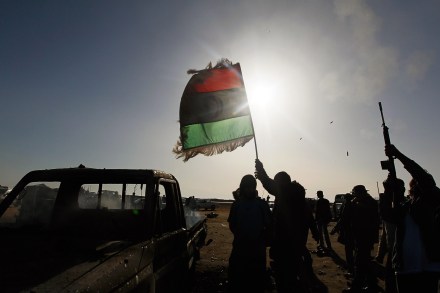
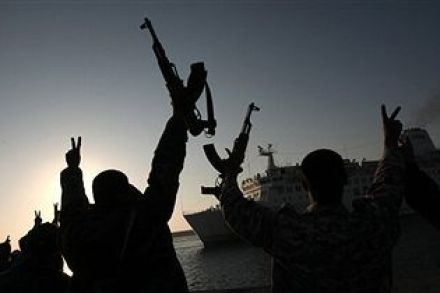
NATO has accidently bombed a rebel convoy on the road to Brega. Casualties are understood to have been heavy and, judging by footage, the rebels at the scene are pretty exercised: lots of angry tears, outraged rhetoric and shooting in the air.  An emotional  response is understandable in the aftermath of tragedy, especially in the fraternal fever of rebellion. However, the response does reveal something about the rebels’ military sense and capability: firing guns in the air without thought to what may be above is symptomatic of the martial indiscipline hampering their efforts.

The Death of Process

From our UK edition

From the beginning the Obama campaign and administration has made a point, even a fetish, of process. Judgement matters and good process is considered vital to increasing the chances that good judgements will be made. Hillary Clinton's 3am alarm call advert during the primary was deemed silly because, actually, it's pretty unusual for a President to have to make an instant, sleepy-headed and blurry-eyed call of the kind imagined by the advert. And of course Obama's supporters in that primary tended to think his judgement - cooler, more measured, less flighty - better than Hillary's. Iraq was not the only data point, either.

From the archives – a notable desertion

From our UK edition

An obvious comparison can be drawn between Moussa Koussa and Rudolf Hess. It is intriguing but easily overextended. While Koussa’s sense of self-preservation is palpable, Hess’s flight at the high tide of Nazism remains unfathomable. Back in May 1941, a onetime prominent Nazi and man of letters called Dr Hermann Rauschning, a controversial oddity in his own right, analysed the Hess mystery for the Spectator. (Incidentally, the British secret service file on Hess will be released in 2016.) The Rudolf Hess Mystery, 16 May 1941 The flight of Rudolf Hess to enemy country in the middle of the war is more than a lost battle for Hitler.

The pressing need to oust Gaddafi

From our UK edition

The op-ed by David Cameron and his Qatari counterpart Hamed Bin Jassem in the run-up to the London conference received very little play in the UK media. That's a shame because it set out, anew, the reasons for the Libyan intervention, which are already at risk of being lost in the debate about ways, means and exits. 'Yesterday, reports reached us of fresh attacks on the people of Misurata. Snipers are gunning people down in the street. Food, water and electricity supplies have been cut off. Ghaddafi and his regime are continuing to carry out acts of appalling brutality and cruelty, in clear and flagrant breach of the UN Resolution. That is why we must continue to implement those Resolutions for as long as they are necessary to protect the Libyan people from danger.

How to encourage the others

From our UK edition

Lord Malloch Brown has inverted Voltaire’s maxim on the execution of Admiral Byng: treat Moussa Koussa well to encourage the others. Most of this morning’s papers expect further defections from the Gaddafi regime ‘within days’. These defections are expected to come from Gaddafi’s civil administration; the Colonel’s military and security arms remain fiercely loyal. The Foreign Office refuses to give a ‘running commentary’ on events, but the confidence of its officials is ill-disguised. It is increasingly apparent that Tripoli is spiralling into desperation and that the fetid regime is fracturing. The Guardian reports that an aide of Saif al-Islam Gaddafi, Mohammad Ismail, has been in London.

Clinton’s Contempt for Congress: We’ll send you a press release…

From our UK edition

I rather suspect there'd have been a mighty uproar if Dick Cheney had told Congress he'd send members a few press releases to keep them informed of developments in Iraq. This, however, seems to be the Obama administration's current position vis a vis the kinetic military action in Libya: Rep. Brad Sherman (D-CA), who asked Clinton about the War Powers Act during a classified briefing, said Clinton and the administration are sidestepping the measure's provisions giving Congress the ability to put a 60-day time limit on any military action. "They are not committed to following the important part of the War Powers Act," he told TPM in a phone interview. "She said they are certainly willing to send reports [to us] and if they issue a press release, they'll send that to us too.

How to help the rebels

From our UK edition

The lack of weaponry is not the only problem plaguing the Libyan rebel forces. Their disordered retreat reveals that they need training, better organisation and in-theatre liaison and support. From what I saw, the Transitional Council is very well organised politically, but there is a general lack of military cohesion. Youthful volunteers and self-armed families are fighting alongside ex-loyalists. (There also seems to be a significant Muslim Brotherhood/Islamist presence, though the Council has detained a number of Al Qaeda associates.) Communications are poor because the rebels rely on mobile phones, which rarely work on the front. NATO has now taken over the air and naval mission, but it will struggle to be as effective as it was before.

The first rat abandons ship?

From our UK edition

Moussa Koussa, one of Gaddafi’s closest henchmen, has given himself up in Britain. He left Tripoli supposedly on a diplomatic mission, but arrived in Britain declaring that he “no longer wanted to serve the regime”. This development suggests that the regime is crumbling and pundits opine that the balance has now tipped against Colonel Gaddafi. It has also emerged that President Obama has authorised covert support to be given to the hotch-potch rebellion, which may yet prove decisive. Gaddafi will now have to make do without Koussa’s skill and clout, which may pose the Colonel a problem if he needs diplomacy to save his neck. However, Gaddafi’s blitzkrieg is still charging east.

The Audacity of Hypocrisy: Obama’s Lovely Little Libyan Adventure

From our UK edition

Hypocrisy is a necessary condition of leadership in a large, modern democracy. Not just there either, now that I think of it. That's often obviously the case in foreign affairs and clearly so in our present Libyan adventure. It is quite a remarkable undertaking, based on the most remarkable set of circumstances and thanks to a quite remarkable coalition that has given the mission its tepid blessing. Consider... Earlier this week President Obama said he "refused to wait for the images of slaughter and mass graves before taking action." Consider that for a moment. It's an interesting choice of words making it clear that this is an Al-Jazeera War. No Al-Jazeera cameras* or pictures of any kind from Libya; no war. Such is the power of the camera.

Rebel setbacks create an almighty headache for NATO

From our UK edition

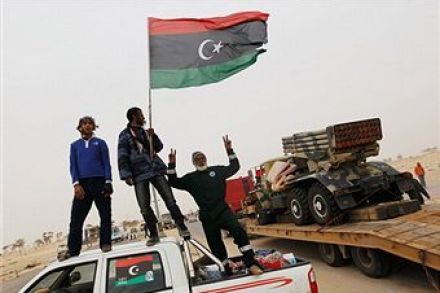
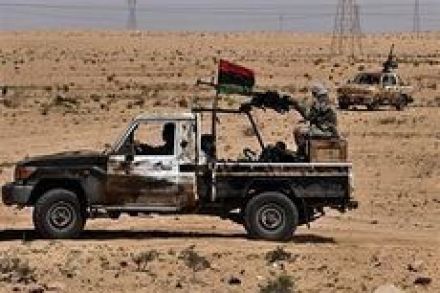
The Auk and the Desert Fox ride again. As in 1941-2, the military position along on Libya’s northern coastal road is extremely fluid. After the celebrated rebel gains over the weekend, Gaddafi has counter-attacked without remorse. Skirmishes escalated yesterday and now the rebels are in full retreat (£) from the strategically vital oil town of Ras Lanuf, running from Gaddafi’s superior onslaught. It's apparent that the rebels need heavy arms to secure their gains, let alone beat Gaddafi. As Pete noted yesterday, the west is (rightly) wary of such a move and there’s nothing to suggest that Arab states are any less reluctant.

Mundane duties interrupt Field Marshal Cameron

From our UK edition

Cameron was at pains to disguise it, but his impatience finally gave way at PMQs today. What a contrast with the last 24 hours. The nemesis of Gaddafi, the terror of Tripoli, the champion of the rebels, the moral conscience of the West, the world’s latest and greatest international tyrant-buster had to return to earth, and to the House of Commons, to deal with enterprise zones, disability benefits, carbon trading price structures and all the belly-aches of the provincial grockles who put him where he is. What a chore. Ed Miliband had a pop at him on police numbers. The Labour leader asked a clear and simple question. ‘Will there be fewer front-line police officers in future or not?