Kettle’s yard

The art of flowers

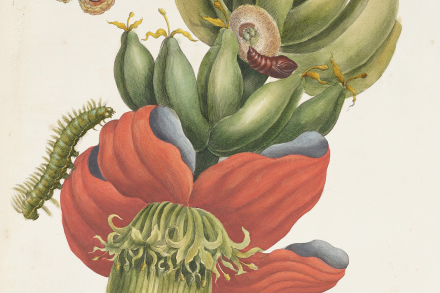
Multi-sensory exhibitions are old hat, but in the case of In Bloom – How Plants Changed Our World at Oxford’s Ashmolean Museum, it feels just right to sit in a space given over to flowers with the sound of gurgling water in the background, mingled with the cries and chirrups of birds. At intervals there are scent stations where you can smell damask rose or green and black tea from flower-shaped chalices. From the ceiling hang swathes of green muslin. I could have stayed here all afternoon. Right in front of me were also two delicious studies of tulips to illustrate the Dutch craze of the 1630s. Frankly, if it came to a choice of two-tone tulips or Bitcoin as a way of squandering money, I know which I’d prefer.
One of the greatest of all outsider artists: Alfred Wallis at Kettle’s Yard reviewed

Alfred Wallis (1855-1942) should be an inspiration to all late starters. It was not until he had passed the age of 70 that, after his wife of many years had died and having previously worked as a sailor, fisherman and rag and bone merchant, he decided to take up art. ‘Aw! I dono how to pass away time,’ he explained to a shopkeeper in his native town of St Ives. ‘I think I’ll do a bit a paintin’ — think I’ll draw a bit.’ Three years later, his work was spotted by the leading British modernists Ben Nicholson and Christopher Wood. By and by, Wallis’s pictures were being exhibited in London, and Nicholson presented one to the Museum of Modern Art, New York.

Slight: Steve McQueen at Tate Modern reviewed

Steve McQueen’s ‘Static’ (2009) impresses through its sheer directness — and it’s very far from static. A succession of helicopter-tracking shots around the Statue of Liberty, it’s the first film you encounter in this quasi-retrospective from the Turner Prize-winning conceptual artist-turned-Oscar-winning film director. Shot shortly after the monument reopened after the 9/11 attacks, it offers the eye an exhilarating whirl of light and colour, while the mind — given the potency of that historical context — goes on an equally dizzying train of associations through the notion of American liberty. While you bring these associations yourself, they seem to emanate naturally and directly from what you’re seeing.