Jean Cocteau

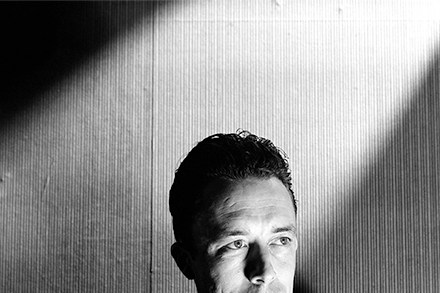
French letters – Albert Camus’s great epistolary love affair

The extraordinary correspondence between Albert Camus and the love of his life Maria Casarès must rank among the most passionate ever written. Rarely can two lovers have expressed with such fervour a comparable range of emotions, from ecstasy to darkest despair. At times one shies away from the letters’ raw, searing intimacy, feeling like an intruder; but the sheer force of the feelings expressed and the finesse with which they are articulated propel one through. These letters were first published in France in 2017 by Camus’s daughter Catherine, who was given them for safe-keeping by Casarès shortly before her death in 1996.
Picasso’s ravishing work for the ballet

Visitors to the Victoria and Albert Museum’s new storehouse in Stratford’s Olympic Park are being enthralled by an atmospherically lit chamber devoted to the display of one vast and magnificent work of art: Picasso’s 10 metre-high, 11 metre-wide drop-curtain for Le Train Bleu, a popular hit of Diaghilev’s Ballets Russes, first seen in 1924. The canvas, for many years rolled up in storage, isn’t strictly the work of Picasso himself: Diaghilev’s scene painter Prince Alexander Schervashidze had meticulously expanded it overnight from a small gouache on plywood known as ‘Two Women Running on the Beach’ (1922), but Picasso was so delighted when he saw the result that he decided to endorse it with his signature on the bottom-left-hand corner.

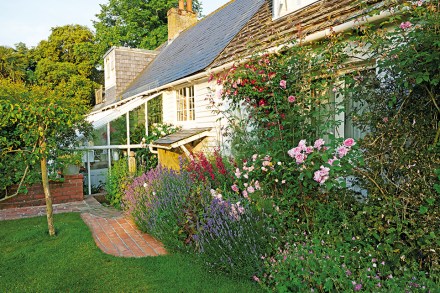
How do authors’ gardens inspire them?

When Henry James moved to Lamb House in the Sussex coastal town of Rye, he admitted that he could hardly tell a dahlia from a mignonette: ‘I am hopeless about the garden, which I don’t know what to do with and shall never, never know – I am densely ignorant.’ He sought advice from the artist and designer Alfred Parsons and fortunately Lamb House already had a gardener, George Gammon, to do all the work. When Gammon won prizes at local horticultural shows, James was delighted: he was a vicarious gardener, more comfortable at his desk in the Garden Room than with his hands in the soil. Thomas Hardy was at the other end of the gardening spectrum.