Hospitality

Expect toddlers and parlour games at today’s dinner parties

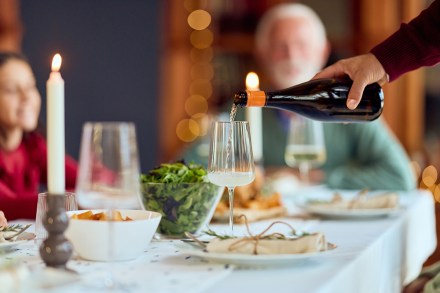
When I was in my twenties and giving dinner parties every week, I came up with a couple of money-saving devices. First, no snacks. This also ensures that, by the time dinner is served, your guests are so hungry they’ll mistake almost anything for a masterclass. Second, invite people on a Monday evening, so they won’t stay too late. As my millionaire cousin likes to say: ka-ching! I mention all this because one reason people don’t give more dinner parties is that they think they’re too expensive. Another is that they’re afraid of being judged. I remember being taken aback when a guest of mine said she would never dare to give a dinner party.

The customer isn’t always far-right

One of Dominic Cummings’s many insights in the run-up to the Brexit referendum was that ‘most people were both more right-wing and more left-wing than politicians ever realise’. Political obsessives naturally frame all questions – indeed shape their own identities – along a left-right spectrum, and so assume everyone else sees the world in similarly clear-cut terms. They really don’t. Indeed one of the most dangerous habits of journalists is their readiness to brand as ‘far-right’ opinions which are held by fairly large swaths of the population, many of whom might be otherwise left-wing in other contexts. What is risky about this is that it may achieve nothing other than promoting greater self-identification around the very causes it is attempting to disparage.

Beware the £5 coffee

It wasn’t until I received a notification from the Monzo app that I realised I’d spent nearly £10 on two coffees. This wasn’t in the Wolseley or even within the M25, but in Two Magpies, a café in Holt, our local market town in Norfolk – for two regular lattes (admittedly with an extra shot, since it was Monday morning) for myself and a friend. Just last year, I was taken aback when my caffeine fix crossed the £4 threshold, with the barista casually mentioning that coffee prices were rising. But £4.70 feels like it’s firmly in the ‘taking the mickey’ territory. I haven’t been back since (I’m currently writing this in a different café) because I know I’d be unable to resist exclaiming ‘HOW MUCH?

Pubs and restaurants are being decimated by Covid uncertainty

The run up to Christmas is normally a merry time for the hospitality industry. Our nation’s restaurants, pubs and bars are usually bursting at the seams. Most people are out celebrating with their family, friends and colleagues – with crackers being pulled, pigs in blankets served and a glass or two of mulled wine drunk under the mistletoe. Yet, the exact opposite is happening right now for the hospitality industry in the UK. Instead it’s the nightmare before Christmas. Ever since people in Britain have been told to work from home by the government and told to cut back on socialising by chief medical officer Chris Whitty, pubs and restaurants have been clobbered.

The roadmap paints a grim picture for business

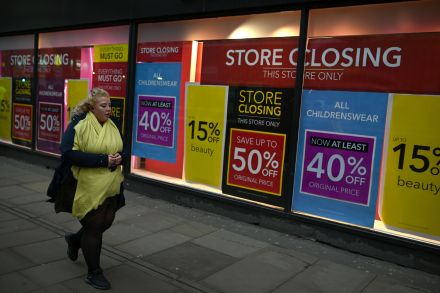
As the Prime Minister announced the details of his government’s ‘roadmap’ out of lockdown in the Commons on Monday, no doubt some will have been cheering on the announcements, which will allow them to keep their pre-planned parties or holidays scheduled in their diaries. But the timeline has painted a grim picture for business in the months to come. According to the timetable, we are nearly two months away from outdoor dining being made legal again, and three months away from a return to indoor dining.

What can pubs serve as a ‘substantial meal’?

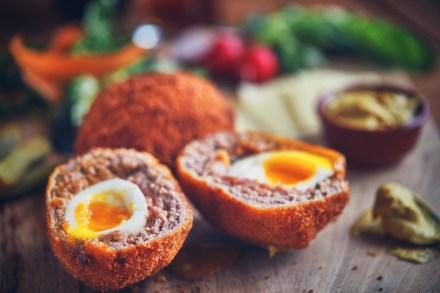
When the new tiered restrictions come into force this week, many pubs and bars around the country will be wondering if they can keep their doors open. While Tier 3 venues have effectively been forced to close, pubs in Tier 2 (which covers around 50 per cent of England) have been told they can only serve alcohol to customers alongside a ‘substantial meal’. But what counts as substantial? Environment minister George Eustice attempted to clarify this on LBC radio this morning, when he suggested that a scotch egg would probably count, as long as it was brought over on a plate.  But Mr Steerpike has noticed that ministers seemed to be a little confused when it comes to the guidance.