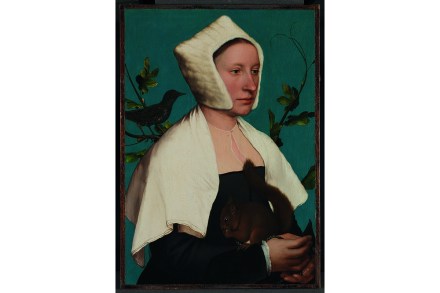
Holbein

From Holbein to Snapchat, how royals have mastered their own image

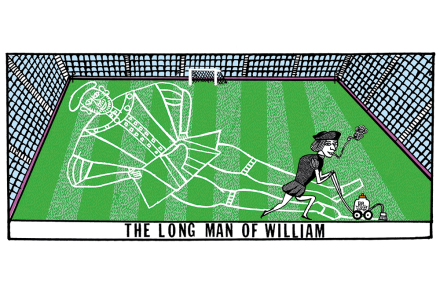
When Aston Villa won the Europa League recently, the focus was less on the football than on the Prince of Wales bawling ‘Sweet Caroline’. And while images of Wills bouncing in his box and cheering his favourite team wouldn’t seem to connect to a Tudor court painter, they probably wouldn’t exist without him. This year marks 500 years since Hans Holbein came to London and invented royal image-making at a stroke. The German-born artist’s vision of Henry VIII – legs apart, shoulders wide and with a codpiece the size of a prizewinning marrow – was an instant hit and remains the most famous image of our most famous king. More than that, it set a trend. Ever since, image-making has been as much a tool of the royal trade as throne, crown and sceptre.

From the wilds of Kyrgyzstan to the Victorian nursery – a choice of art books

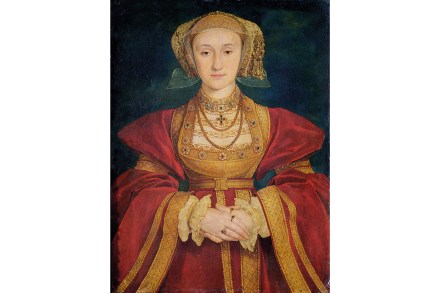
One day, according to a venerable anecdote, an earl pushed his way into Hans Holbein’s London workshop demanding that his portrait be painted straight away. Understandably annoyed, Holbein hit him. This nobleman then asked Henry VIII to punish the painter, but apparently the monarch replied: ‘I can make seven earls (if it pleased me) from seven peasants – but I could not make one Hans Holbeen [sic], or so excellent an artist, out of seven earls.’ Holbein’s pictures must have seemed miraculous when they appeared in Tudor England. In fact they still do. Seeing them is like opening a window into the past and finding it populated by people like those you might pass in the street today.

At last we see Henry VIII’s wives as individuals

Divorced. Beheaded. Died. Divorced. Beheaded. Survived. Nearly 500 years after the death of Henry VIII, can there be anything new to say about his queens: Katherine of Aragon, Anne Boleyn, Jane Seymour, Anne of Cleves, Katherine Howard and Katherine Parr? Does the world need another book about this sextet? The answer to both questions, as this elegantly written and sumptuously illustrated volume makes clear, is a resounding yes. Published to coincide with the National Portrait Gallery’s exhibition of the same name (20 June-8 September), Six Lives is a collection of concise, accessible essays written by experts with specialist knowledge of Tudor painting, music, jewellery, manuscript illumination and book binding, among other topics.