Gordon brown

Labour’s historic mistake

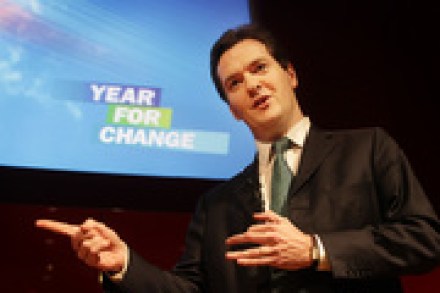
I’ve already mentioned George Osborne’s interview with the Telegraph, but it certainly merits another. As Ben Brogan says, Osborne is in a rich vein of ‘election that never was’ form. As befits the inveterate schemer, Osborne’s tactical grasp is impressive. He is quietly vociferous about Labour’s ‘historic mistake’ in electing Ed Miliband. Revealing senior Tories’ continued respect for the electoral tenets of Blairism, he says: "They have chosen to move off the historic centre ground of British politics. I've seen more pictures of Neil Kinnock on television in the past week than I've seen in 20 years. That's old politics.

When Brown beat Blair in an election

With the merry dance of shadow cabinet elections upon us, it's a good time to look back on the last time Labour went through all this. There's a useful list of all the results from the 1992 Parliament here, but here's my summary of some of the more eyecatching outcomes: 1) Gordon Brown, from hero to zero (to Chancellor). In 1992, Gordon Brown came top of the shadow Cabinet rankings. By 1996, he had dropped to 14th. And bear in mind that the number of MPs standing fell from 53 to 26 over the same time. As we all know, though, he still made it to the Chancellorship.   2) Blair less popular than Prescott.

The IMF delivers a boost for George Osborne

The proclamations of economists and economic bodies shouldn't be taken as the be-all-and-end-all of fiscal policy – for every one claiming that a decision is right, you can find another insisting that it is wrong. But the coalition will still be pleased by the influential International Monetary Fund's latest report, here. It begins: "The UK economy is on the mend. Economic recovery is underway, unemployment has stabilized, and financial sector health has improved. The government’s strong and credible multi-year fiscal deficit reduction plan is essential to ensure debt sustainability. The plan greatly reduces the risk of a costly loss of confidence in public finances and supports a balanced recovery.

The speech that David Miliband would have given on Saturday?

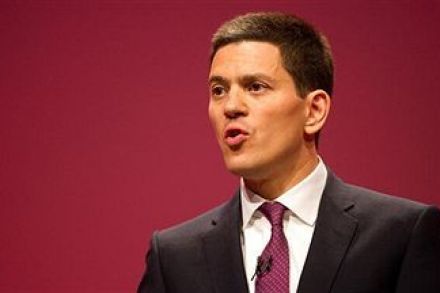
Caveats about positioning after the event, of course, but Andrew Pierce's account of the speech that David Miliband would have given on Saturday is still worth noting down: "You could have heard a pin drop in the conference hall when the new Labour leader delivered his acceptance speech. Far from being triumphalist, he issued a stark and unwelcome warning that shocked the Party: it had to change, or lose the next election. Only minutes after the applause had died down on Gordon Brown’s valedictory address, his successor savaged Brown’s record as Chancellor and Prime Minister. He mocked the claim that Labour had ended the cycle of boom and bust.

Ed Balls steps up his bid for the shadow chancellorship

With the result but a day away, there's plenty of radio chatter about the Labour leadership election this morning. The Guardian reports that MiliD will work for MiliE if he loses. The FT observes Harriet Harman shifting towards the Eds' position on the deficit, even if she is remaining neutral in the contest itself. A Populus poll for the Times (£) suggests that Gordon Brown is currently more popular among Labour supporters than either of the Milibands (which is deeply amusing). And Political Betting is calling it for Ed Miliband. But perhaps the most noteworthy contributions come courtesy of Ed Balls, compiled and skilfully analysed by Sunder Katwala over at Next Left.

A tale of two statesmen and a wary industry

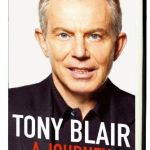
The only readable part of Tony Blair’s Lawrentian romp of a memoir, is the epilogue. He explains why the state must be trimmed in the future and how globalisation is affecting global polities, and all expressed with languid charm and an air of self-deprecation which he has acquired on the road to riches. No wonder he’s the toast of Washington, the UN and Beijing – he’s the model of the Modern English Gentleman, a real pukka sahib. Gordon Brown, meanwhile, has travelled to the UN to attend a meeting on tackling poverty. After a decade of enduring Bono at his most self-righteous, poverty is not yet history. Aid agencies and campaigners, wary of aid fatigue, are asking what went wrong. It seems that humanity could not realise its expectations.

Clegg’s little bit of political S&M

Nick Clegg is making life horribly difficult for those of us on the right who spent the last few things portraying him as a figure of fun. He is now delivering the best speeches of anyone in the Cabinet, characterised by a quiet sense of urgency and direction. He’s in the business of making the case for cuts. He spoke to a party that spent much of the last decade attacking Labour from the left. For those delegates, it was a little bit of political S&M. It must have hurt - but they liked it. “We haven’t changed our liberal values,” he said - and then went on justifying Conservative policies in a classic liberal context. And he did it so much better than many Tories have been able to.

Balls, McBride and off-the-record briefings

John Rentoul has already pulled the best passage from this preview of a forthcoming radio series on Gordon Brown. But I reckon that the testimony of Spencer Livermore, the former strategy chief in No.10, deserves a spot in the Westminster scrapbook: "Mr Livermore, who was Downing Street's director of political strategy, regrets not warning about the downside of scrapping the election when Team Brown got cold feet as polling in marginal seats suggested only a slim Labour majority. 'I don't think it's possible. Does anyone?' the Prime Minister told his inner circle at the crucial meeting. The mood was 'very, very sombre', according to Mr Livermore.

The Brown handover ceremony

A delicious prospect in store for political comedy fans, if not for the next Labour leader, according to a post by Channel 4's Gary Gibbon: "[Gordon Brown] feels, I hear, that it is right that he be seen to say some words before the new leader is unveiled and be seen to hand over the torch. He doesn’t want people to think he is cowed or hiding. Final arrangements, a Labour source said, have not been agreed yet and they are 'in touch' with the various leadership candidates.

Straw fails to improve

Jack Straw did not improve on his previous PMQs performance today. He used up all six questions on Coulson and they were all too long-winded. Clegg got through it without too many problems, regularly using the operational independence of the police as a shield, as the Home Secretary did on Monday. The deputy PM also had the moment of the session when he informed the house that the first person to call Mr Coulson after he had resigned was Gordon Brown who had wished him well for the future. But at the very end of session, Labour got what they needed to keep this Coulson story going for yet another day. The Speaker has ruled that phone hacking is covered by privilege and so Chris Bryant is entitled to a debate on it tomorrow morning.

Brown’s plan for the future

Mr Blair’s former breathless lover will form the fully staffed Gordon and Sarah Brown Foundation, paid for by lucrative speaking engagements, which the Spectator revealed some weeks ago. He has accepted three pro-bono appointments - joining Queen Rania of Jordan’s Global Campaign for Education, working on a new programme to bring the internet to Africa and joining the board of Tim Berners Lee's World Wide Web Foundation. He will also continue to write on the plight of the world’s poor. Presumably, he won’t now be seeking a spot at the Shadow Cabinet table. Like Blair, Brown’s ambitions are global. I can’t criticise Brown for any of this – they are all worthy causes close to Brown’s heart.

Tony Blair, freelance statesman

Say what you like about Blair, but he is something of a political entrepreneur. He detects a gap in the market and fills it: he did with New Labour in the mid-1990s. And he detects a trend in the globalised world: a system where governments don't matter so much and power is held by a global elite. This, CoffeeHousers, is what he's up to with his memoirs. He is presenting himself in new incarnation, a statesman without a state, able to move without being tied down to an electorate. There's a very revealing passage in his book where he talks about Condi Rice: “She is a classic example of the absurdity of people with experience and capacity at the highest level not having big political jobs after retirement from office,” he writes.

Tony Blair’s advice for Labour: be more like the coalition

There's a remarkable self-certainty about what we've seen of Tony Blair's book so far. Sure, there are the fleeting moments of doubt and insecurity: the drinking that was becoming less a pleasure and more a habit, for instance.  But, apart from that, the dominant motif is how His Way was the Right Way. And so, he was right to keep Brown on as Chancellor. He was, it seems, right to prosecute war in Iraq – even if the WMD intelligence was "mistaken". And his chapter on Northern Ireland is written up as a ten-point action plan for future peace processes after future conflicts. Make no mistake, this isn't a bad thing in itself.

Tony Blair’s memoirs: the first extracts

Even the literary critics have to wait until tomorrow for the Blair memoirs – but the book's contents are slowing spilling out onto the Internet this evening. A series of extracts has just been published on the official website, and the Guardian has extensive coverage, including an interview with the man himself. So far, there's nothing too surprising. Blair, for instance, lays into Brown – but adds that it would have been wrong to sack him as Chancellor. And he declines to endorse a candidate for the Labour leadership, beyond offering a handful of veiled criticisms of Ed Miliband. Coffee House will have more tomorrow.

The Blair memoirs loom over Labour’s leadership struggle

A day before the ballot papers get sent out, and the grey corpse that was the Labour leadership contest has suddenly leapt into a crazy jig. Ed Balls is slamming the "soap opera" of the Mili-rivalry, while calling for more social housing. Andy Burnham is insisting that he's still in with a chance of winning. Alan Johnson has - with a nod to Jose Mourinho, of all people - labelled David Miliband as "the special one". And as part of his rebranding exercise the former Foreign Secretary has even starting making fairly amusing gags. Welcome to the Twilight Zone. But it's not just the prospect of imminent voting that is animating the contenders.

Will Labour boldly go with ‘Red Ed’?

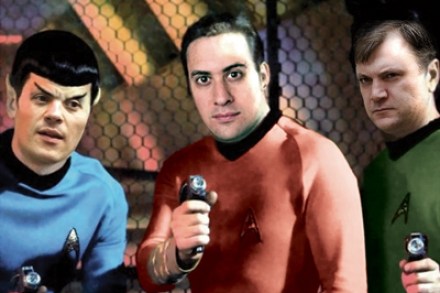
  David Cameron has dismissed the Labour leadership election as a "Star Trek convention" with policy wonks battling out to go where no spad has gone before. That caricature has some currency (see picture, left). But as he'll know, a deeper choice faces Labour. David Miliband may be the geekier one - playing Spock to Ed's Kirk. You can argue that Ed speaks better human, that he's more plain-speaking. But when he does speak, it's worth listening to what he has to say. And his piece in the Observer makes clear why so many Tories want him to win. He says he will "make capitalism work for the people" - who has it been working for so far? The government? He proposes to ration corporation tax cuts for companies if they up the minimum wage to £7.

New Labour’s psychodrama went global

Not as thick as he looked, Dubya. The Sunday Telegraph reports that the Bush administration urged Tony Blair to remain in office because it had ‘big concerns’ about working with the monomaniac Gordon Brown.  Here are the details: ‘Senior officials in the US administration sounded the alert after a meeting between Mr Brown and Condoleezza Rice, Mr Bush’s secretary of state, in which Mr Brown “harangued” her over American policy on aid, development and Africa. After the uncomfortable session, sources said she reported her misgivings to the White House, and they were sent on in turn to Mr Blair.

Balls’ pitch for the shadow chancellorship

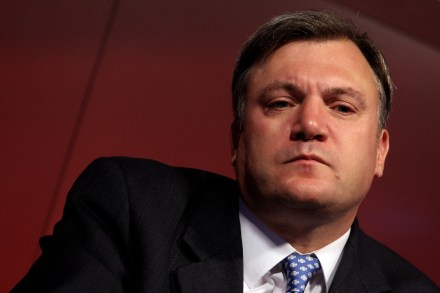
If there's one observation to make about Ed Balls's speech this morning it's that it's punchy stuff. His main point is that the coalition are "growth deniers" – not only do their "austerity and cuts" risk a slide back into recession, but they're also unnecessary. He explains: Attlee didn't make his "first priority ... to reduce the debts built up during second world war," and he left us with the welfare state – so why should we cut spending now? Et cetera, et cetera. These are, more or less, all arguments that we've heard from Balls before. But this is definitely the most concentrated form they have ever taken. It's an unrelenting barrage of Brownite economics. As always with Balls, there are exaggerations, inconsistencies and half-truths aplenty.

The man who would be shadow international development secretary

Guido says that Gordon Brown wants to become shadow international development secretary. This rumour is uncorroborated, as far as I can gather, and I’m sure it’s a joke. But I can believe that Brown might seek election to the post – he cares deeply about African development and loves the thrust of frontline politics, such is his self-regard. But, surely, the next Labour leader would do everything to block Brown’s return to high-profile politics. Both Milibands have stated that Labour lost in May because the public rejected the government’s personalities, which implies that Gordon was the major problem. Their analysis is absurd, but I concede that Labour’s renewal would by polluted by the spectre of Brown gurning at the dispatch box.