Georgian london

Marvels of the masked ball: dressing up in Georgian London

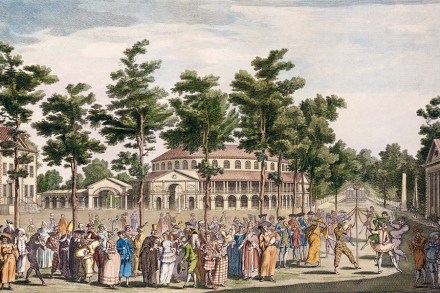
In the satirical print ‘Remarkable Characters at Mrs Cornely’s Masquerade’ from February 1771, the Georgian craze for dressing up as fantastical characters is shown in all its theatricality and wild invention. The harlequin was always popular, as was the domino, but here we also have a ‘Savoyard’ (supposedly from Savoy) playing a hurdy-gurdy with his dancing bear in tow, a nun in full habit, ‘Mad Tom’ with wild hair and ragged clothes, and, perhaps weirdest of all, a coffin, decorated with a skull and crossbones. Peeping out from beneath its sombre frame are the two ridiculously dainty feet of the masquerader.
A cat’s-eye view of 18th-century social history

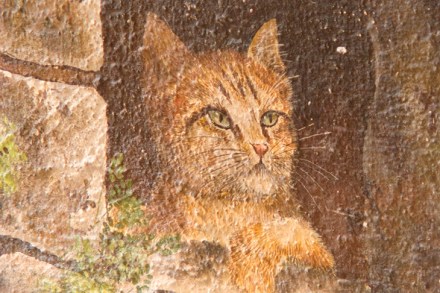
Jeoffry is, by now, one of the best-known cats in literary history. And unlike the Cheshire Cat, Mr Mistoffelees, Orlando, The Cat That Walked By Himself, Gobbolino or Behemoth in The Master and Margarita, he really existed. Protagonist of the most anthologised section of the mad poet Christopher Smart’s Jubilate Agno, the eccentrically spelled ginger tom now takes a fresh lease of fictionalised life in this jeu d’esprit. Oliver Soden’s ‘biography’ of Jeoffry takes its most obvious bearings from another novelised animal biography, Virginia Woolf’s life of Elizabeth Barrett-Browning’s cocker spaniel, Flush. It is, if you’ll forgive me, a pretty feline performance.