Genghis Khan

The rollercoaster ride of the world’s most reckless investor

For a few days in February 2000, Masayoshi Son was the richest person in the world. A risk-taker and showman, universally known as Masa, he had long been disdainful of Japan’s staid ‘salaryman’ business culture and was riding the wave of dot-com mania. His company SoftBank, founded in 1981, had bet big on the growth of online shopping. The bullish mood didn’t last, and Masa slunk away from the limelight – but only for a while. A techno-optimist, the now 67-year-old has repeatedly reinvented himself, urging doubters to see beyond the immediate: ‘You’re limiting your field of vision to 30 years... Start bold and think 300 years ahead.

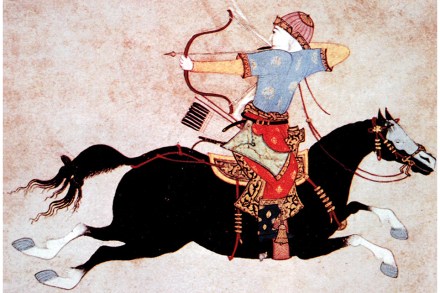
How the barbarians of the steppes shaped civilisation

It’s boom time for nomad history. It started some eight years ago, when Bloomsbury published a study of central Asia from an Oxford academic. This might have been a fringe book, but the author’s breadth of knowledge and analysis was exceptional, the narrative was gripping, the cover was beautiful and the publisher had high hopes, in spite of my quibbling review. Their punt paid off. Peter Frankopan’s The Silk Roads has sold more than two million copies and counting. It has also helped renew interest in central Asia, which had mostly been the preserve of travel writers and niche historians, including the great René Grousset.

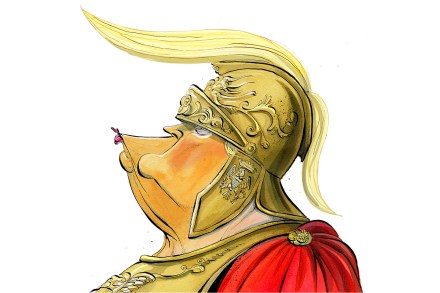
The case for Genghis Trump

From our US edition

This article is in The Spectator’s January 2020 US edition. Subscribe here. America has a problem, and it’s not Donald Trump. Suicides and deaths by overdose are up; life expectancy is down. The country that led its allies to definitive victory against both Nazi Germany and imperial Japan in just four years has now been fighting in Afghanistan for nearly 20, with no end to the Taliban in sight. Wall Street prospers but young Americans are deep in debt, manufacturing employment is in decline, and the Great Recession of a decade ago revealed how fragile and irrational the whole financial system is. For all the talk we hear about ‘polarization’, the policies that led to these grim results were born of bipartisan consensus.

genghis donald trump boomer republicanism establishment