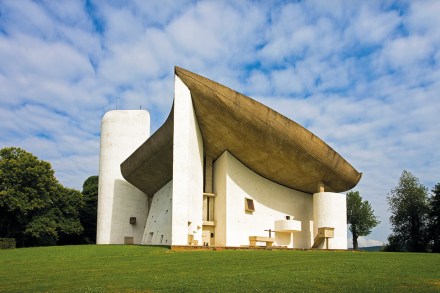
Frank Lloyd Wright

How the office has come to haunt us

Should we hop on a call? Let’s touch base. Let’s take this offline. Let’s circle back to your last slide deck. Let’s get those action items actioned by close of play. We need stakeholder buy-in. We need deliverables. We need to make sure you’re aligned with company culture. We’re concerned you’re not leveraging your core competencies. After careful consideration, management has made the difficult decision to terminate your contract. We’re committed to helping you with this transition. Corporate jargon is zombified language. These euphemisms and elisions are the soulless husks of words, meant to blunt the sharp edges of human emotion (sorry – ‘maintain professionalism’). And they often leave you feeling a sneaking sense of dread.
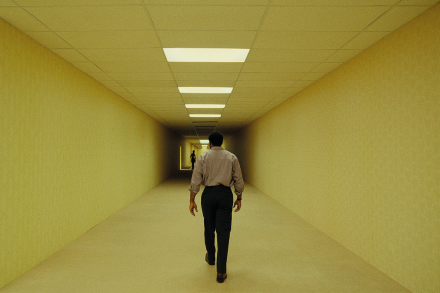
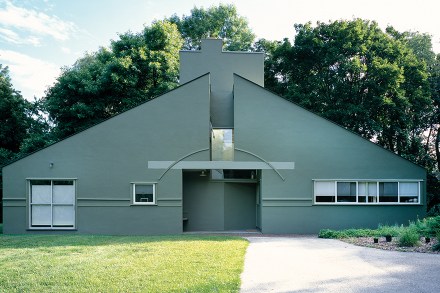
The mixed messages of today’s architecture – retro utopias or dizzy towers?

Only when history is decarbonised and decolonised will we understand how architecture should advance. For the time being, the art and science of building design are additionally hobbled by ‘systemic’ gender bias and ‘western-centric’ chauvinism.  If the dreary fugue of DEI rhetoric and the baffling clichés of archispeak make you want to scream, this book may not be for you. But get beyond the annoying tone – which combines dire waffle with apocalyptic prophecy – and Owen Hopkins has an important subject. The ‘Manifesto House’, he tells us, is evidence of a ‘deep and all-encompassing vision’ enjoyed by its designers. And these visions project themselves into the future, the place we are all going to live.

Is Thomas Heatherwick the best person to preach about modern architecture?

It needs a big personality to answer a big question: why is so much new building so very bad; why are our cities so ugly? Thomas Heatherwick is that big personality. He is the Jamie Oliver of architecture and design: personable, blokeish, smart, tele-genic, extremely successful, nearly demented with ambition, and, one suspects, inclined to petulance if crossed. He is a visionary with several blind spots. To extend the Oliver comparison, there are times when Heatherwick serves up a delicious dish with his thumbs stuck in the bowl. His flair comes with flaws. As a designer, his Boris Bus for London was charming, but functional problems led to its withdrawal from service. His ‘B of the Bang’ sculpture in Manchester has been dismantled.

Click bait: confessions of a Lego addict

The empire of Lego has many dominions and protectorates, with every year, it seems, new territories to conquer. There are theme parks; there are films of excruciatingly ironic sophistication; there are competitions to make bizarre tableaux that grip nations; there are highly controlled TV documentaries about life at the heart of Lego in Denmark. I don’t feel my life will be complete until I’ve spent a week constructing Hagia Sophia out of plastic bricks It is an astonishingly powerful brand and its growth has been extraordinary to watch. Many years ago, it was just one building toy among many, like Meccano or Fischer Technik. Now, it is supreme. Some tremors were, however, observed last week when a plunge in profits was reported.

Architecture for all occasions

Architecture is a public art, but public intellectuals tend to engage with more abstract stuff. The style-wars ructions excited by our new King nearly 40 years ago have been settled by gravity, but intelligent discussion about what makes a great building is still a rarity, especially in the Ministry of Levelling Up, where there is muddle. On the one hand, ‘generic’ is anathematised; on the other, ‘design codes’ and building regulations which stifle the original thinking necessary to good design are encouraged. Perhaps the Ministry should put in a therapeutic bulk order for Hugh Pearman’s About Architecture. ‘If these be the times, then this must be the man,’ as Andrew Marvell said of Oliver Cromwell. Pearman was the architecture critic of the Sunday Times for 30 years.