Exhibitions

Venetian Visions

Andrew Lambirth finds the National Gallery’s new exhibition on Canaletto and his contemporaries both illuminating and enjoyable Giovanni Antonio Canal (1697–1768), better known as Canaletto, is a safe bet and a crowd-pleaser, and the weary critic is entitled to ask — not another Canaletto show? What can there be left to say? But note the exhibition title — Venice: Canaletto and his Rivals. Venice comes first, the great tourist trap herself, kingdom of the sea and romance-magnet, and in the placing of the words the unashamed popularism of the show emerges. Or so the cynic might think.

Taking to the skies

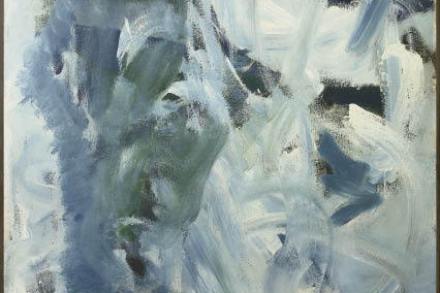
In the first retrospective of his work for nearly 40 years, Peter Lanyon (1918–64) is given the kind of recognition long his due. In the first retrospective of his work for nearly 40 years, Peter Lanyon (1918–64) is given the kind of recognition long his due. A major figure in the St Ives group, his work holds its own on an international stage even though it remains rooted in his native Cornwall. He was an inventive and innovative painter who conjured up the sensation of being in certain places and experiencing particular weather conditions. This was not an art bound to the earth’s surface, and it began by delving beneath it, with the Cornish miners, and increasingly rising above it — quite literally — into the air in a glider.

A place to dream

As regular readers of this column will know, I am not an admirer of large exhibitions. The exhaustive is exhausting, and I refuse to believe that the general visitor can absorb the contents of a blockbuster show on a single viewing. Of course in these days of enforced leisure, more and more viewers are able to return to exhibitions (particularly if mounted by institutions of which they are members), though the time and expense involved deters those with jobs from making repeated visits. Vast exhibitions are designed to bring glory on the host museum and garner headlines as well as visitor numbers.