Enid blyton

The rose-tinted view of female friendship shatters

There is no such thing as a bad friend. The societal expectations and collective imagination of what friendship should look like have, over the past century, set unrealistic expectations, meaning we are all doomed at some point to fail as friends. At least this is what the cultural historian Tiffany Watt Smith argues in her new book. Bad Friend is elegantly written as part memoir, part history, citing multifarious sources, from 12th-century Paris to the American sitcom Friends. The author weaves in her own experiences of female friendships, candid that her research for the book made her reassess the formative and transformative relationships she has cultivated in her life. Reading the book forced my own recollection and reconsideration of friendships.
What Meghan Markle can learn from Enid Blyton

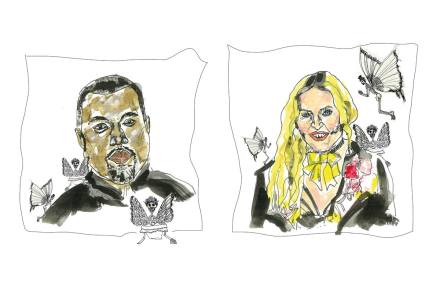
The year is 2070 and English Heritage are unveiling their latest Blue Plaque: 'The Duchess of Sussex, children’s author, lived here 2017 – 2018'. The accompanying online guide praises Meghan for her work promoting inclusion and diversity. I have no idea whether Meghan will one day be rewarded with an iconic plaque for her services to literature. But she’s certainly heading in the right direction.

The frustrating rise of celebrities ‘writing’ children’s books

From our US edition

When you are next visiting a bookstore, and find your way to the children’s section, you might be forgiven for thinking that there is no longer such a thing as a children’s author. Instead, you will be ambushed by piles of books blazoned with the names of actors, singers, comedians, DJs and people who generously exhibit themselves on social media. “Writing” a children’s book has become another string to the celebrity bow. Imagine the scene. You’ve married a prince, and opened a shop that sells vaginal eggs. What more is there to do? A-ha, thinks the celebrity, perhaps while she is sitting on a bench. All those untutored minds, eager for moi! My personal brand will bring them such joy, such self-worth! They will all feel seen!

chidren's

Where will the vogue for censoring our best-loved authors lead?

From our US edition

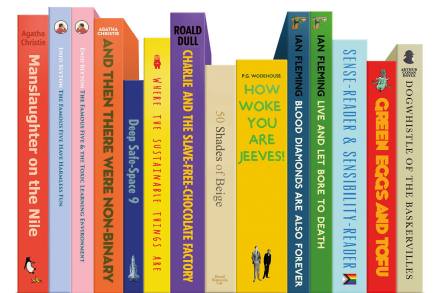
It was recently announced in the Daily Telegraph that the novels of P.G. Wodehouse — much beloved by millions, including me, for their combination of wit and soufflé-light evocation of an England that never really existed but which almost might have done — are the latest to fall foul of that new scourge of writers the world over, the “sensitivity reader.” New editions of Wodehouse’s masterly works Right Ho, Jeeves and Thank You, Jeeves have been reissued with the craven disclaimer “Please be aware that this book was published in the 1930s, and contains language, themes and characterizations which you may find outdated. In the present edition, we have sought to edit, minimally, words that we regard as unacceptable to present-day readers.

authors

The mechanics of ‘backlash’

‘Lashings of ginger beer?’ asked my husband when I mentioned backlash. He thought the phrase came from Enid Blyton, though it occurred only in the television parody Five Go Mad in Dorset, first shown in 1982 — 40 years ago, for heaven’s sake. Backlash, now in vogue, is often misused. The Guardian wrote about ‘the mass protests in the light of the George Floyd murder and the backlash to this movement’. That usage seems correct. But when it said that Chanel ‘recently faced a backlash online for the contents of their Christmas advent calendar’, backlash was the wrong word. The metaphor backlash comes from mechanics. It is pretty much a dead metaphor, since some who use it think it has to do with lashing a back.