Drug addiction

A Native American tragedy: Wandering Stars, by Tommy Orange, reviewed

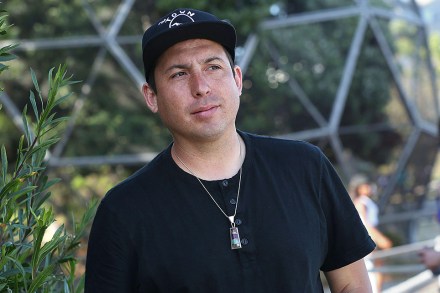
‘You will ask the librarian what novels are written by Indian people and she will tell you that she doesn’t think there are any,’ reflects Victoria Bear Shield, a Native single mother in Tommy Orange’s polyphonic second novel. It is 1954, in America, and she is working out how to rear her baby daughter so that the child is not puzzled, as she herself was, by being ‘the brownest person in every room’. Seventy years later, one would hope that the librarian’s knowledge of indigenous writers would include at least Orange’s own work and that of Sherman Alexie and Louise Erdrich. Orange is a member of the Cheyenne and Arapaho tribes and his first novel, There There (2018), was one of Barack Obama’s books of the year and a Pulitzer Prize finalist.

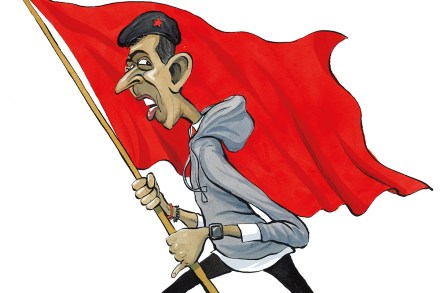
Red Rishi

39 min listen

On this week’s episode: Price caps are back in the news as the government is reportedly considering implementing one on basic food items. What happened to the Rishi Sunak who admired Margaret Thatcher and Nigel Lawson? In her cover article this week, our economics editor Kate Andrews argues that the prime minister and his party have lost their ideological bearings. She joins the podcast, together with Spectator columnist Matthew Parris, who remembers the last time price caps were implemented and writes about it in his column. We also take a look at the experience of being addicted to meth. What is it like, and is it possible to turn your life around after that? The translator Eva Gaida has managed it, and writes powerfully about her experience in this week’s issue.

Abandoned for a bogus guru – Lily Dunn’s harrowing family memoir

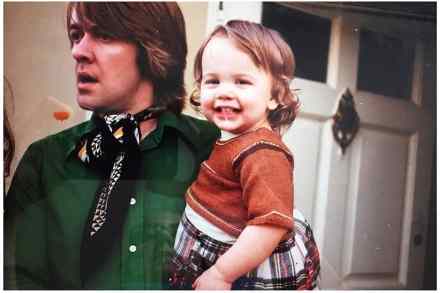
Sins of My Father begins with an ending. Describing her 61-year-old parent’s final desperate flight from a life of vibrant glitter, creativity and affluence, Lily Dunn reveals the extent to which it was simultaneously riddled with devastating addiction. After alcoholism, drugs, money and sex played their destructive role, her father (who is never given a first name) died incontinent, with shoes that ‘let the rain in’, having subsisted on a diet of vodka and scones and, due to the removal of all his teeth, with a mouth that had ‘turned in on itself, a perpetual downward curve of misery’, a smile reversed.

How Shane MacGowan became Ireland’s prodigal son

I once stood on a Dublin street with Shane MacGowan and watched little old ladies who can’t ever have been Pogues fans blessing him as they passed by: ‘God love you, Shane!’ On his 60th birthday, in 2017, Michael D. Higgins, the President, presented him with a lifetime achievement award, while Nick Cave, Bono, Johnny Depp, Sinead O’Connor and Gerry Adams applauded. He is, if not Ireland’s national treasure, then certainly its prodigal son. Yet he was not even born in Ireland. He likes to make out that he grew up as a barefoot urchin on his grandparents’ farm, The Commons, in Tipperary, but in fact he was raised in Tunbridge Wells, in a big, detached house. His parents, Maurice and Therese, were Irish, but they moved to England before he was born.

How I finally came to terms with my sister’s death

‘Grief is the price we pay for love,’ the Queen once wrote. This memoir is steeped in the pain of unpaid debt. ‘When you were nine, you had a pink coat that you loved so much you wore it all the time, even on the early morning flight to Tunisia,’ Gavanndra Hodge begins, talking to her younger sister Candy, who’s been dead for 30 years. ‘It was long and thickly padded and made you look like a flamboyant Michelin Man.’ Hours after that flight Candy is killed by a virus as inexplicable as the one currently causing hundreds of thousands deaths, and Hodge stares into her coffin, noting the strange softness that comes just before decay.