Craft

The uprising against ugly cities

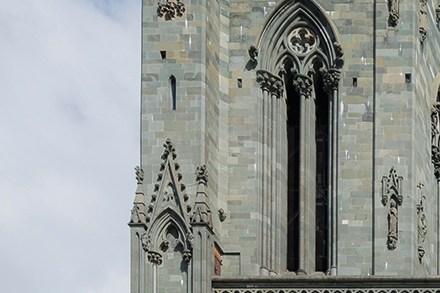
Arriving in Oslo, the Barcode District is unavoidable. It is so named because its blocks are laid out like dominos – each design a tawdry, throwaway joke. But the Norwegians have had enough. With a spate of such controversies, Oslo has become an epicentre for an architectural uprising against the uglification of cities. Its Nordic Symposium on Beauty in Architecture has become an annual meeting point for plotting the insurgency. Unlike on this side of the North Sea, where traditional and classical architecture found a champion in the King, Scandinavia’s counterrevolution is led by ordinary citizens.
The masterpieces of Sussex’s radical Christian commune

Ditchling in East Sussex is a small, picturesque village with all the trappings: medieval church, half-timbered house, tea shops, a common, intrusive new housing developments down the road, a good walk from the nearest train station and the Downs on its doorstep. But the resonance of the place owes much to the remarkable artistic activity that has bloomed since Eric Gill moved his family there in 1907. It was part craft commune, part lay monastery, a living experiment in distributism, the radical Christian political philosophy that held that land should be distributed as widely as possible. It was an attempt to resurrect the medieval guild.

The craft renaissance

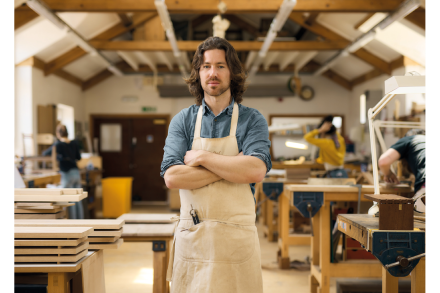
As long ago as the 1960s, the poet Edward James was worried that traditional crafts were dying out. Having frittered much of the family fortune he had inherited, aged five, on supporting struggling surrealists (he commissioned the Mae West lips sofa and lobster telephone from a scuffling Dali) and on backing shows starring his actress girlfriends (‘very wealth-consuming,’ he admitted, ‘because invariably they flopped’) then creating an 80-acre sculpture garden in the Sierra Gorda mountains of Mexico, the man described as ‘the last of the great eccentrics’ decided in his late fifties to invest his remaining money in something more sensible.

The politics of handbags

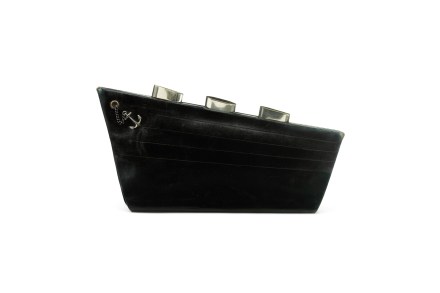
‘Of course, I am obstinate in defending our liberties and our law — that is why I carry a big handbag,’ Margaret Thatcher once told an interviewer. That handbag was part of the Iron Lady’s suit of armour; a fashion accoutrement turned into a political prop. But an accessory that became instantly recognisable on the outside held secrets on the inside. Thatcher referred to it as the only ‘leak-proof’ place in Downing Street, and it was a bag of tricks from which she might conjure pertinent quotes from Abraham Lincoln or Friedrich Hayek, or a crumpled brief from a mysterious source.

The art of street furniture

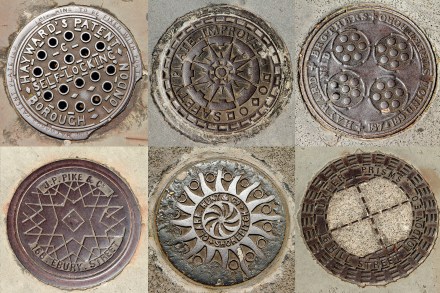
It was possible to stand in the middle of the road during the lockdown without being run over. In Willow Place, near Victoria Station, I crouched over a narrow grating of stout grey iron, and caught a glimpse of light reflected from moving water deep below, as though at the bottom of a well. This was the River Tyburn, on its way from Hampstead via Buckingham Palace to the Thames. During the endlessly sunny lockdown days, I wandered the streets near my office in Victoria. The bright unpeopled silence (like a landscape by de Chirico) brought to my attention details unnoticed before. With all the galleries closed, this was street art.