Chanel

The art of Schiaparelli

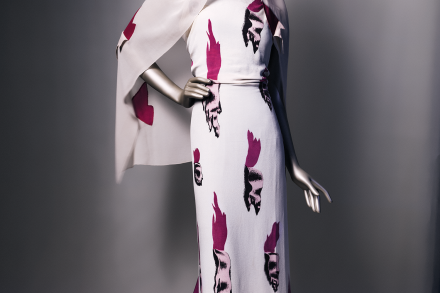
It’s a great shame that Elsa Schiaparelli is less widely known than her rival Chanel. Perhaps that’s down to how difficult her name is to pronounce. Is it ‘shap’, ‘skap’ or ‘skyap’? Tristram Hunt, director of the V&A, answers with a quip from Schiaparelli herself: ‘No one knows how to say it, but everyone knows what it means.’ The V&A’s new exhibition Schiaparelli: Fashion Becomes Art traces the web of influences around one of the great couture houses of the 20th century. Like Coco Chanel (I hate to compare them), Elsa Schiaparelli created clothes for the modern, independent woman – it is now conventional to say so but they ‘pushed

Paul Poiret and the fickleness of fashion

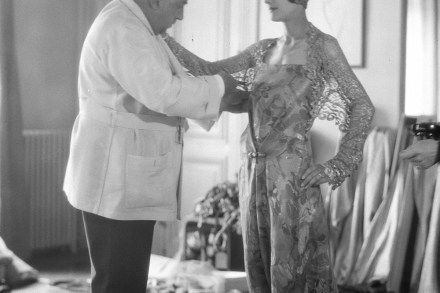
Such was Paul Poiret’s influence that he is the only couturier whose clothes are known to have caused several fatal accidents. At a time (1910-11) when fashion was loosening up he persuaded chic women into the hobble skirt, a garment so narrow round the ankles that only tiny, mincing steps were possible, with the result that several tripped over when stepping down from a pavement and one toppled from a bridge into a river where, unable to swim from the constriction around her ankles, she drowned.  In Mary E. Davis’s book, however, this dangerous garment gets only a brief mention. Instead, what we have is not so much a biography

How interesting an art is fashion?

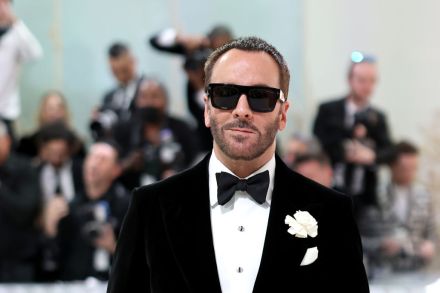
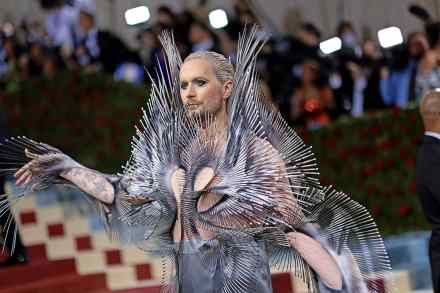
One of the New York Met Gala stylists is sharing tips for wearing a corset to an evening do. ‘Breathe a lot in the morning,’ he tells the Gucci Podcast, with a discernible smile, ‘and by the time you put on the dress, you’ll be full of oxygen.’ The image of a puffed-up toad comes to mind. It’s a bit nuts, isn’t it, the fashion world? The Met Gala is the ball where anything goes – the costumes are witty and extreme – but even so the commentary on it can be pretty earnest, especially in the American press. The stylists on this podcast speak of dressing celebrities like disco