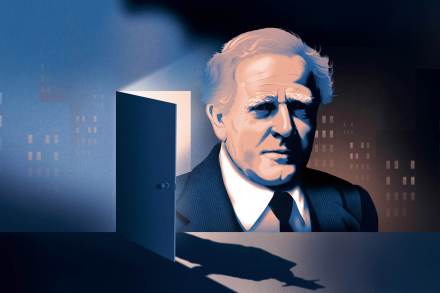
Adam Sisman’s new John le Carré biography entertains and disappoints
While I expected the le Carré who emerges from it to be a womanizer, a fantasist and a self-server, I didn’t anticipate that he would be such a terrible bore
Stuart Reid relates the whole convoluted tale lucidly, conveying the steadily growing atmosphere of confusion and fear
Mustafa Suleyman’s new book is a rousing call-to-arms for humanity
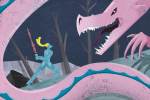
A new translation and critical study explore the legendary poem’s numinous spell
America’s Cultural Revolution marks Rufo as an important, deeply knowledgeable thinker
Extremely Online is mostly a story about money
A Guest in the House is a beautifully plotted study of the madness of isolation, steeped in the tropes of fairy tale and horror
The Marriage Question shows us a woman fragmented
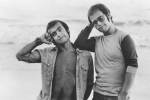
The songwriter’s book is free of sentimental clutter, but it would take a heart of stone not to be moved by the takeaway message
There is a fine, perceptive book to be written about the Astors and their influence, but Astor: The Rise and Fall of an American Fortune is not it
The Fraud is a consciously (but not self-consciously) literary novel
The real science of searching in nature is the most interesting — and disturbing — part of Lankford’s account
At the end of Burn it Down , it’s hard not to wish that the industry could simply be shut down and rebooted all over again
In Necessary Trouble the historian and former president of Harvard has given us a clear-eyed account of a vexed era
In The Romantic , it’s as if Boyd has distilled the essence of centuries of novel-writing
We May Dominate the World is a work of prodigious scholarship, featuring an extraordinary breadth and depth of sources
For the author, transgenderism was an escape hatch
The writer is an easy man to admire and sympathize with, but a hard one to like
Antonia Fraser paints a convincing, shocking picture of upper-class mores in the late eighteenth century
It’s hard to find writers ancient or modern who have used language with a music, wit and tenderness comparable to Moore’s