Belfast

Museum relic

On 1 July, at a swanky party at Tate Modern, one of Britain’s museums will bank a cheque for £100,000, as the Art Fund announces this year’s Museum of the Year. Sure, the money will come in handy. Sure, the publicity will be useful. But this posh bunfight can’t disguise a growing sense that museums face an existential crisis. Cuts are one problem — some say the present round will take museums ‘back to the 1960s’. But they also face a more profound dilemma. In the age of Wikipedia and Google Images, what are modern museums actually for? When I was a child museums were my adventure playgrounds, but was my enthusiasm merely relative? After all, in the 1970s there really was very little else to do. Shops were shut on Sundays.
First novels: When romance develops from an old photograph

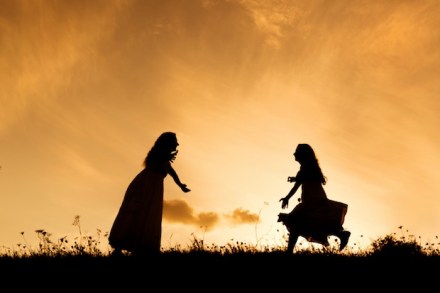
The intensely lyrical Ghost Moth is set in Belfast in 1969, as the Troubles begin and when Katherine, housewife and mother of four, finds herself remembering an old love affair. Michèle Forbes achieves a vivid depiction of family life — the daily squabbles and teasing, the nuances of Katherine’s love for her children through a haze of exhaustion, one daughter’s struggle to be liked by bullying friends and another’s blushingly awkward first crush. Interwoven with these domestic scenes are chapters set 20 years earlier, in which we see the unfurling of Katherine’s haunting romance.

Warning: upspeak can wreck your career

A few weeks ago, I accompanied my daughter to an Open Day at Roehampton College, where she is hoping to start a teacher training course in September. I enjoyed it — and was impressed by the broad mix of motivated young men and women who, if all goes well, will soon be teaching the next generation of primary school children. Towards the end of the afternoon, the co-ordinator said she wanted to offer a few tips about the interview process that would begin once all the applications have been submitted. It turned out she had only one main tip: avoid upspeak. She stressed the point vigorously.

The Spectator’s notes | 20 June 2013

When he arrived for the G8 in Co. Fermanagh, President Obama told the people of Northern Ireland that those living with conflict in far-flung places are ‘studying what you’re doing’ and that ‘You’re the blueprint to follow’. If they really were studying it, they would be less confident of the blueprint status. It is not true that the Belfast Agreement meant that, as the President put it, ‘clenched fists gave way to outstretched hands’. What happened was that the roughest major grouping on each side — the Paisleyites and Sinn Fein — saw that they could crowd out their more moderate rivals and divide the spoils of office between them. If hands are outstretched, it is more for public money than for peace.

Diary – 20 June 2013

The calendar of British summer events often involves a master class in surviving a deluge cheerfully, and recent years have tested that cheer almost to destruction. On Saturday it was the turn of the annual summer fair in Highgate, north London, home to Kate Moss and the grave of Karl Marx. The thin whisper of sun in the morning led many people to trundle hopefully to the square in straw hats and sandals, which proved a strategic error. The rain began as I was eating jerk chicken, watching the Whitethorn Ladies’ Morris Dancing group from Harrow doing their stuff on the central stage.