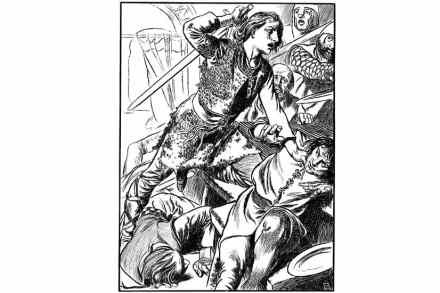
Battle of hastings

Shagger, chancer and oath-breaker – Harold Godwinson had a touch of the Viking about him

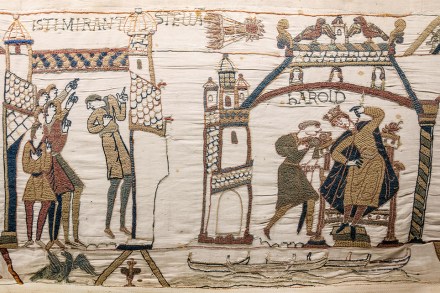
Oh Harold. So near and yet so far. So close and yet no cigar. In January 1066 the world (well, England) was at his feet. Two hundred and eighty-two days later he was battle meat. On day one he became the richest ruler Anglo-Saxon England had ever known. In late September he defeated the hardest bastard in Europe (Harald Hardrada). In mid-October England was changed forever, but not by him. He had, of course, no right whatsoever to be king. Sure, he was Edward the Confessor’s brother-in-law; but under the sacred rules of hereditary power that gets you zip. He claimed that Edward had promised him the throne (he hadn’t); but, again, that ain’t how the royal circus rolls.
Excruciating: Netflix’s House of Guinness reviewed

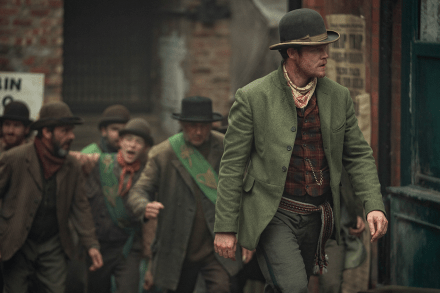
First the surprising news: not a single one of the four Guinness siblings in 1868 Dublin is black; and only 25 per cent of them – surely a record for Netflix – is gay. Now the bad: despite these oversights, House of Guinness remains very recognisably the work of Steven Knight, the Peaky Blinders screenwriter who once set a drama in 1919 Birmingham and said to himself: ‘I know just what this period needs to make it more echt: a cameo appearance by dub poet Benjamin Zephaniah.’ As a Brummie (more or less), I loathed Peaky Blinders.

What the Anglo-Saxons made of 1066 and all that followed

By any yardstick, the Norman Conquest was a ghastly business. Within two decades, the English aristocracy had been more than decimated, all of England’s cathedrals were being levelled and rebuilt, the north had been harried and the language of government changed. What made it worse was that it was utterly unnecessary. In 1066, Edward the Confessor had an heir of the blood royal – Edgar Ætheling, the grandson of Edmund Ironside (d. 1016). Had he not been shoved aside by bigger men, much fuss might have been avoided. In her superbly adroit new history, Eleanor Parker examines how memories of Edgar and his like – the generation that straddled the Conquest – survived, or were melded to meet the needs of the time.