Autocracy

How interwar Germany became a breeding ground for evil

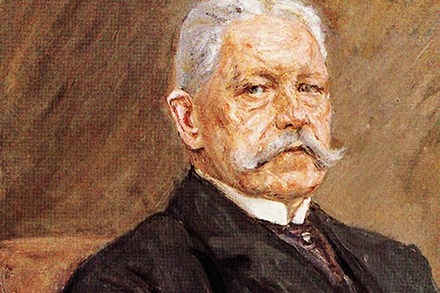
Did no one who lived through the Weimar Republic of 1918-33 see what was coming, asks Victor Sebestyen in his impressive new book. The politicians, the intellectuals, the foreign visitors who converged on Berlin in the wake of the first world war all wrote about the anti-Semitism and violence they witnessed, but virtually no one perceived where Germany was heading until it was too late. A great deal has been written about the Weimar years, much of it in hindsight; but Sebestyen, the author of bestselling books on Hungary and Russia, sets out to relate events as they unfold – to tell the story as it happened. The result is a fascinating portrait of how frighteningly easy it is for a democracy to crumble.

Does bitcoin fit the definition of good money?

Three philosophers walk into a crypto-currency. Resistance Money: A Philosophical Case for Bitcoin, I’d argue, is a slightly inaccurate title. Messrs Bailey, Rettler and Warmke have composed a book that is a meticulous and unphilosophically lucid examination of the origins and properties of bitcoin. No Hegel, no Husserl, no fuss. ‘We don’t prophesy,’ they state. ‘We don’t preach.’ They plead a Socratic humility. ‘We’d forgive you for thinking that three philosophers aren’t up to the task.’ They describe themselves as ‘epistemic trespassers’ in matters of economics and cryptography. Access to bitcoin has changed from a muddy country path to a six-lane highway The editorial sessions for Resistance Money must have been hell.

Stalin the intellectual: the dictator cast in a new light

The link between mass-murdering dictators and the gentle occupation of reading and writing books is a curious one, but it definitely exists. Mao was a much- praised practitioner of traditional Chinese poetry; Hitler was widely if haphazardly read, dictated Mein Kampf and was a fan of Karl May’s Wild West stories; and Stalin, as Geoffrey Roberts shows, took books at least as seriously as the purging of foes, real and imagined.

Why autocracy in Russia always fails in the end

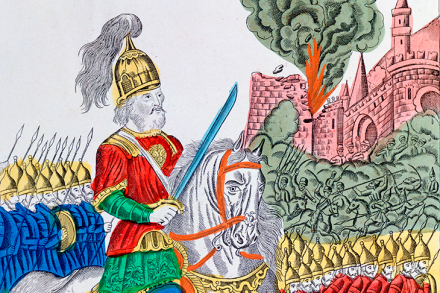
Churchill was wrong: Russia is neither a riddle nor an enigma. Russians themselves concoct endless stories to glorify their country’s achievements and minimise its disasters and crimes. But the rest of us do much the same, as we try to explain Britain’s imperial history or the impact slavery still has on America’s revolutionary ideals. Russia is little harder to understand than anywhere else. But you need to separate the facts from the myths, as Mark Galeotti does in A Short History of Russia, an informative, perceptive and exhilarating canter through 1,000 tumultuous years. He starts with two founding events, each a mixture of fact and myth.