Ashmolean museum

The art of flowers

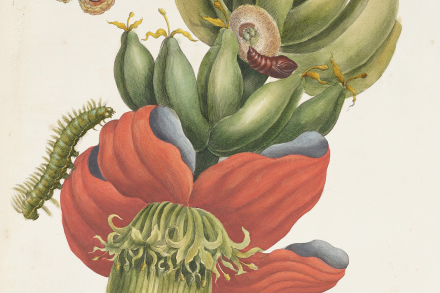
Multi-sensory exhibitions are old hat, but in the case of In Bloom – How Plants Changed Our World at Oxford’s Ashmolean Museum, it feels just right to sit in a space given over to flowers with the sound of gurgling water in the background, mingled with the cries and chirrups of birds. At intervals there are scent stations where you can smell damask rose or green and black tea from flower-shaped chalices. From the ceiling hang swathes of green muslin. I could have stayed here all afternoon. Right in front of me were also two delicious studies of tulips to illustrate the Dutch craze of the 1630s. Frankly, if it came to a choice of two-tone tulips or Bitcoin as a way of squandering money, I know which I’d prefer.
How flabby our ideas of draughtsmanship have become

The term drawing is a broad umbrella, so in an exhibition of 120 works it helps to outline some distinctions. A good place to start is to ask what drawings are for, and that is what Oxford’s Ashmolean Museum has done with its current show of sketches by Flemish masters – staged in collaboration with Antwerp’s Museum Plantin-Moretus – dividing them into studies, designs and stand-alone finished works. Van Dyck’s teenage studies are a measure of how flabby our ideas of draughtsmanship have become If you’ve ever had the chance to visit it, you’ll know what a special place the Plantin-Moretus is.

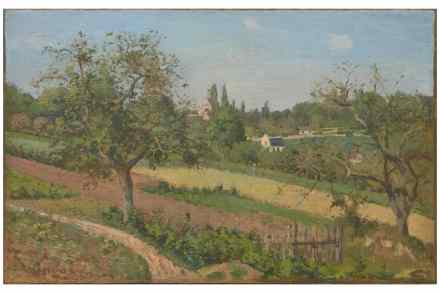
How good is he? Pissarro: Father of Impressionism, at the Ashmolean Museum, reviewed

Two markers: ‘Cottages at Auvers-sur-Oise’ (c.1873) is a sweet especial rural scene of faintly slovenly thatched cottages with, at its centre, an outside privy, its door modestly shut. A discreet little detail. Second, early in the exhibition, Corot’s ‘Duck-Pond’ (1855–60), an indicator of the tradition to which Pissarro belongs — a world of unconsidered trifles, granted a quiet importance. Linda Whiteley’s excellent, informative catalogue essay quotes Pissarro on Corot: ‘Happy are those who see beauty in modest places where others see nothing. Everything is beautiful, the whole secret lies in knowing how to interpret.’ He is writing this credo to his son Lucien in 1893.