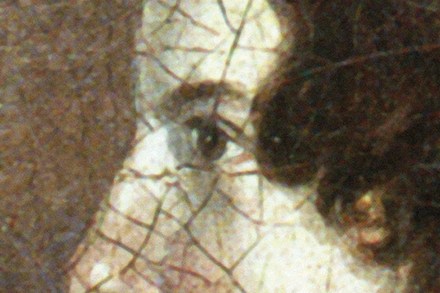
A glimpse of the extremes of Emily Brontë’s imagination
Emily Brontë, who died, aged 30, in 1848, is a source of perennial fascination – and potentially a biographer’s nightmare. Her single novel, Wuthering Heights, has long been recognised as one of the greatest in the English canon, yet it remains a strange anomaly, seemingly unmoored from the wider history of Victorian fiction. Her haunting poems – of which there are 70-odd – can make you catch your breath. Meanwhile, like the ghost of Catherine Earnshaw, the most inscrutable of the Brontë sisters seems to appear only to disappear. This is primarily – but perhaps not entirely – down to the prosaic fact that so few of her personal papers survive, which is not the case with most Victorian writers, including her older sister Charlotte.