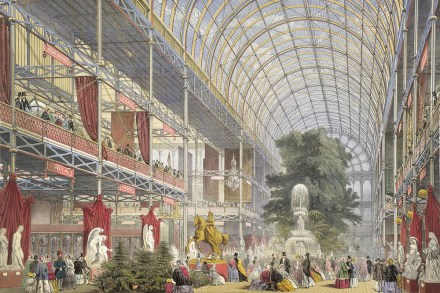
The imaginative genius behind the Great Exhibition
If you want to understand Victorian Britain, look to the Great Exhibition of 1851. At a time of unprecedented technological change and international rivalries, this event gathered the finest art and the latest manufactured goods from around the globe and displayed them for almost six months to more than six million visitors in the magnificent Crystal Palace on the southern perimeter of London’s Hyde Park. Its success generated a profit of £186,000, or around £20 million today. The aim was not simply spectacle; in the spirit of the age it was also pedagogic. So this sum was used to buy 86 acres of fields and market gardens in the adjacent suburb of Brompton, where new institutions could be built to further the broad objectives of the Royal Commission behind the exercise.