Adolescence

The superficial edginess of the Emmys and The Studio

From our US edition

When I previewed the 2025 Emmys in July, I wrote “it must feel pretty good to be Seth Rogen today.” His Hollywood satire, The Studio, had been nominated for a mighty 23 Emmy awards, and Rogen himself was up for acting, writing and directing. Well, today it must feel even better to be Seth Rogen. The show trampled over its competition to win a hugely impressive 13 awards – the most ever won by a comedy in a single season, let alone a debuting one – and Rogen himself won Best Actor, Best Director (for the self-consciously tricksy one-shot episode "The Oner”) and shared the Best Writing award with Evan Goldberg, Peter Huyck, Alex Gregory and Frida Perez.

emmys

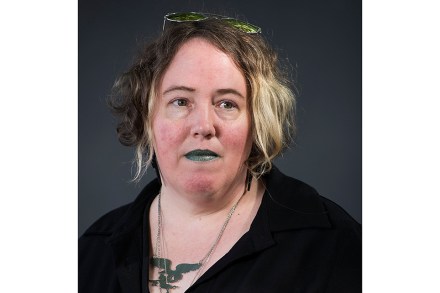
The agonies of adolescence: The Party, by Tessa Hadley, reviewed

My husband and I like to play Tessa Hadley bingo whenever she has a new book out. You get a point if one of the characters is dressed in a bad outfit, which the author seems rather to admire – a purple jacket with orange tassels; a long felt skirt; a beret, maybe at an angle. You get another point if a beautiful boy-man steals the heart of the story’s older heroine; bonus points if he is unaware of his beauty, a little callous, elegant or golden-skinned. In a recent interview with the New York Times, Sally Rooney said she thought originality was overrated: that she didn’t much mind the idea that she might end up producing variations on the same novel for the rest of her writing life. The 68-year-old Hadley has more or less done this, and her fans are grateful for it.

The desperate desire to belong: England is Mine, by Nicolas Padamsee, reviewed

As Nicolas Padamsee’s thrilling debut novel England is Mine hurtles towards its climax, its principal character, David, readies himself for an important mission. A teenage victim of bullying, he has been slowly drawn into a world of online extremism. After making a purchase through the dark web, he is determined to become a hero in the underground network in which he is now enmeshed. In the same borough of East London, David’s one-time tormentor Hassan is about to leave the house. Having drifted away from his pot-smoking childhood friends, Hassan volunteers at his local mosque and is on the brink of signing an Esports contract that will turn his passion for the Fifa video game franchise into a profession.

Back from the beyond: The Book of Love, by Kelly Link, reviewed

Kelly Link’s short-story collections bewilder and delight with their sideways takes on fantasy tropes. People might turn into cats, but they do it while texting emojis (dancing lady, unicorn, happy face). In The Book of Love, Link’s debut novel, she revels in upholding and upturning the genre’s conventions. Mainlining Buffy the Vampire Slayer, and with a dose of recent teen Netflix fantasies such as Locke & Key, her setting is a small coastal town in Massachusetts to which three sarky adolescents have suddenly returned home – although not, as is generally supposed, from a short trip to Ireland, but from what they, alongside assorted supernatural beings, know to be Death itself.

Our long, vulnerable childhoods may be the key to our success

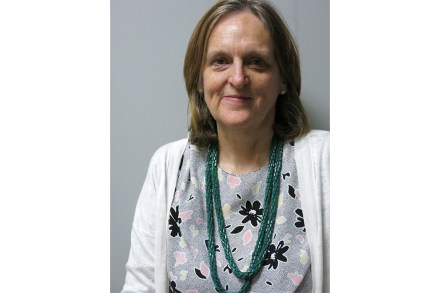
The central question in Brenna Hassett’s book, put simply, is: why are our children so very useless for so very long? Or: ‘What is the possible adaptive value of teenagers?’ If we consider maturity, or adulthood, to be the point at which an animal can play its own role in the evolutionary process – i.e. have its own babies – why is it that we have evolved to mature so slowly; and, even when mature, to delay having children until many years after we’re first physically capable of doing so? The framework in which Hassett sets out to answer this is one to do with investment and return on investment. An animal invests energy in growing its young.