Life

Life

Visiting Glashütte, the small town in East Germany that has mastered time

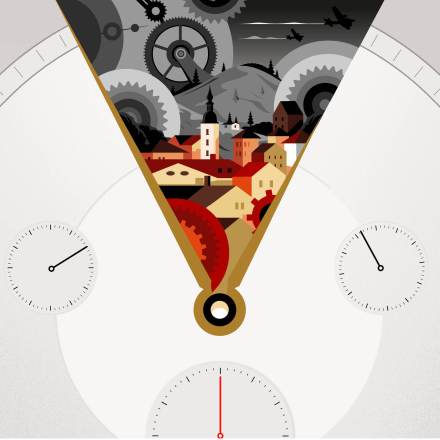
The view from my top floor room at the Steigenberger Hotel de Saxe looked out at the great dome of the Frauenkirche. It’s a huge Baroque church in the center of Dresden; I first saw the building on foot, when failing to find a local restaurant on my first night there. I turned a corner to see it towering above me. It looks like it’s always been there, but the original was destroyed in 1945, under the infamous British firebombing, and reconstruction only finished in 2005. I was eventually directed to the restaurant, past the Oktoberfest stands that began sprouting up during my visit in late September. However beautiful the town, I was not here for “Florence on the Elbe” and its grand buildings, but for smaller, more delicate wonders from a nearby town. And so, at 8 a.m.
Glashütte
intellect

A history of intellect

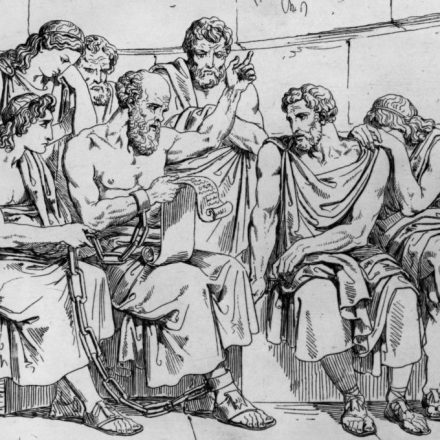
It has it been widely noted that, as Western culture generally has grown steadily more materialistic in its values and interests (as if it were ever anything else, ungenerous critics might suggest) over the past half-century, it has become simultaneously more abstracted in its mental habits and orientation? Chesterton described a paradox as truth standing on its head to draw attention to itself. In this instance, we have an obvious example. But it’s a good question how this particular one came to be. Ancient Greece was an intensely intellectual world of ideas that were firmly grounded in empirical reality and in observed and confirmable truth.

Remembering John Gardner

"Art begins in a wound, an imperfection,” said the late novelist John Gardner, one of the last American writers to grow up on a farm, “and is an attempt to either learn to live with the wound or to heal it.” Gardner’s wound was more gaping than most: on April 4, 1945, the eleven-year-old was driving a tractor hauling a two-ton roller called a cultipacker. His six-year-old brother Gilbert fell from the tractor’s hitch. John turned around just in time to see his brother’s skull crushed under the huge implement. (Marge Cervone, a Gardner family friend, told me that “Gilbert was the kind of kid who would never hold on.”) “He was not to blame,” said John’s mother. “Nobody could have stopped that thing happening.

gardner
bdsm

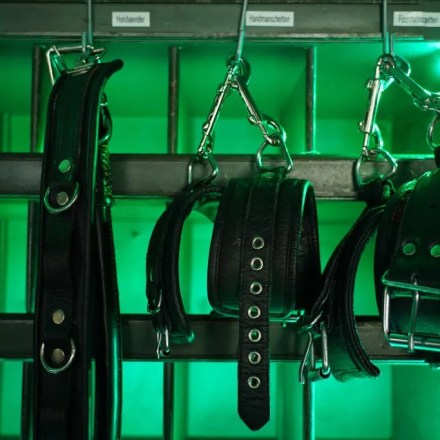
Why BDSM is innately conservative

My friend Evie complains that I never want to go out and have fun anymore. “You’ve become a boring old stick-in-the-mud.” And I’m left wondering: is she right? My Woke Woman invited me to go with her to her Free-Love-Eco-Marxist commune and I said no. “Come on,” she pleaded, “it will be fun!” And now Evie wants me to go with her to the Torture Garden, which is Europe’s biggest fetish and body-art event. “Come on, it will be fun,” she says. “There will be dancing and wild scary women!” It’s not the wild scary women that worry me — it’s the fat bald bearded guys in pink latex tutus with nipple clamps that wag their tongues at you that scare me. Friends always want me to have fun.

New York is a people pleaser’s hell

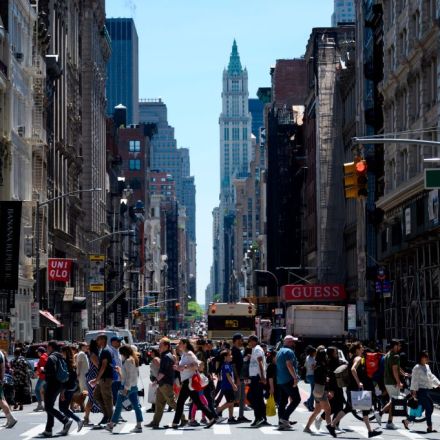
Oh, New York, New York. So nice they named it twice. It never sleeps. It’s New York or nowhere, they say. And also — start spreading the news — it’s a people pleaser’s hell. I’ve written for this magazine before about the absurd hurdles I’ve encountered as a British-sounding expat trying to come to grips with the salespeople and baristas of the Five Boroughs. I’ve described the well-meaning individuals who can’t — for love nor money — figure out what I want when I order a “water.” “Oooh wah-der!” they’ll eventually exclaim in a voice laced with pity for the poor foreigner, presumably just off the boat. But over the last few months I’ve become painfully aware of an even more inhibiting feature of this city.

New York