Books & Arts

Books and Arts

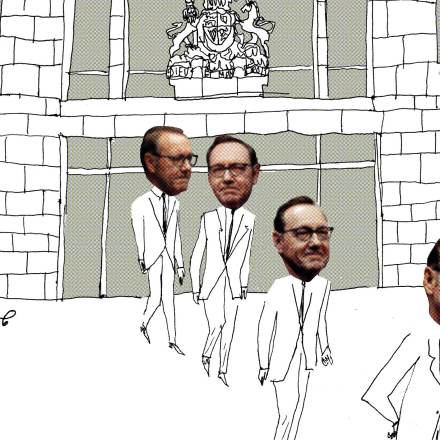
Is a Kevin Spacey comeback possible?

In late July, I had dinner in a London restaurant with Spectator World contributor Fergus Butler-Gallie. Behind us was sitting an American who clearly had a high opinion of himself, judging by the volume with which he spoke, the almost manic fashion he treated his dining guest — the theater director Trevor Nunn — to a series of impersonations and Shakespearean soliloquies, and the way he dominated the dining room. When Nunn left the table, I glanced over and was both amused and vaguely appalled to discover that the diner was none other than Kevin Spacey, fresh from being acquitted of charges of sexual assault, and now, presumably, set on rebuilding his career. We’d overheard snippets of conversation.
kevin spacey
art

The value — and worthlessness — of contemporary art

“This is why I hate art.” “Why, because this is pants?” A friend and I were at a contemporary art show, standing before a mixed-media work featuring trite sayings, glittery flowers and a spaniel. A few days earlier I had suggested to her — once rather ominously described to me as an “art philistine” — that a visit to a few local galleries might provide an opportunity to acquire art for the new home that she and her fiancé recently purchased in the area. Somewhat to my surprise she agreed, so one evening we trundled along to some exhibition openings, to see what we might find. Our first venue, housing three exhibition under one roof, was quite crowded when we arrived. The works ran the gamut from installations and video art to painting, drawing and collage.

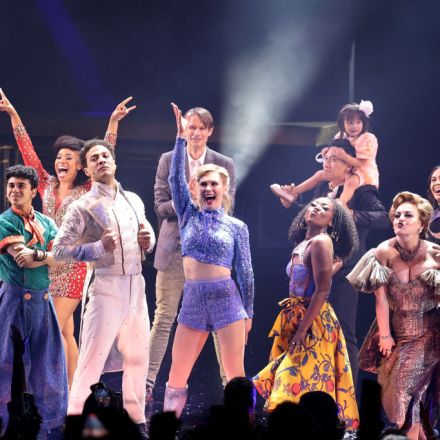
Once Upon a One More Time is pat, prepackaged feminism

Britney Spears has always been mired in narrative, created by her managers, fans and the media as much as by herself. She has been, at different times, a virgin pop princess; a mega-stadium pop queen; a “cheating” girlfriend (on Justin Timberlake, no less — a falsehood drummed up by the tabloids); a girl gone off the rails; a mother; a “bad” mother suffering a mental health crisis. More recently, as interest in Spears has grown following her emergence from a thirteen-year legal conservatorship, the story is simpler: she was lost and now she is found. A victim and a hero. This summer another label got added to the list: feminist cultural icon with a legacy to protect.

spears
astor

A diverting but unsurprising new history of the Astor clan

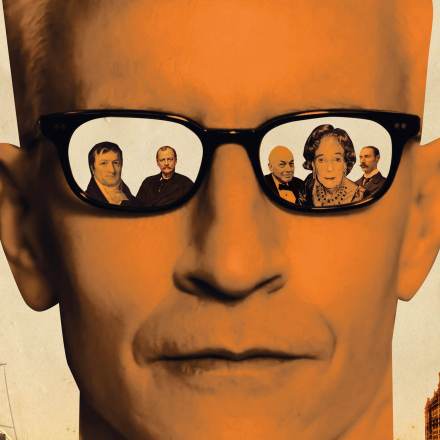
Mention “Astor” to most people and you immediately conjure up tales of fabulous wealth, the sort of Gilded Age beauty and excess expressed to perfection in the paintings of John Singer Sargent. The family name became synonymous at times with luxury and good taste, at others with greed, power and extreme snobbishness. The founder of the dynasty, John Jacob Astor, was a German immigrant and one-time fur trader who came to America in 1783 after the Revolutionary War. His descendants swiftly capitalized on his substantial achievements, creating a Manhattan property empire of unrivaled wealth. There was also plenty of Astor philanthropy and involvement in political and cultural life along the way but then, in the early twenty-first century, came a fall from grace as dramatic as the rise.

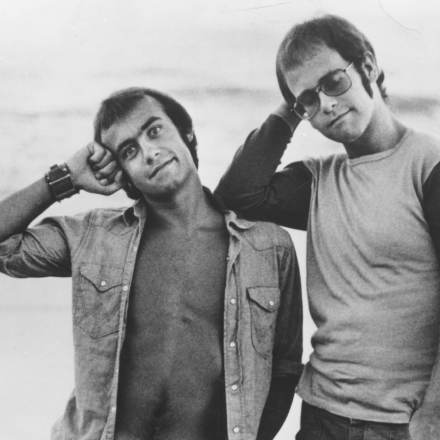
Bernie Taupin is more than just ‘Elton John’s lyricist’

It takes only a couple of hours by train from the southern reaches of rural Lincolnshire to central London. But for seventeen-year-old Bernie Taupin, leaving home in June 1967 to try his luck in the big city, the journey might as well have been to a distant planet, such was the gulf between his life as a casual farm-laborer and his ambitions to become an internationally acclaimed songwriter like his heroes Hank Snow or Merle Haggard.

taupin
Eliot

An admirable but flawed new biography of George Eliot

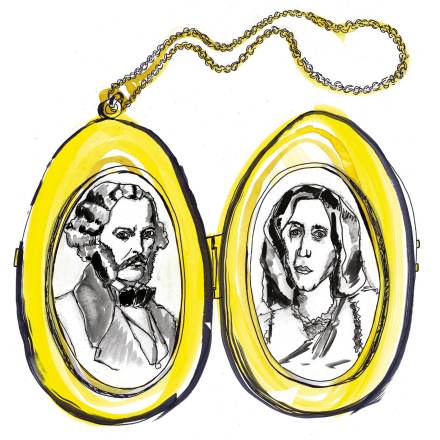
What to call her? The question troubled George Eliot, and challenges Clare Carlisle, her latest biographer. Even this book’s indexer plays along, providing more than one entry for its shapeshifting but steadfast subject. The Marriage Question shows us a woman fragmented, attempting to understand in her various existences how — and if — personal freedom can be achieved when your life is bound to another. Mary Ann (or Anne) Evans was born in Warwickshire, in the West Midlands of England, in 1819. On moving to London in 1850, hoping to make her living as a writer, she became Marian Evans.

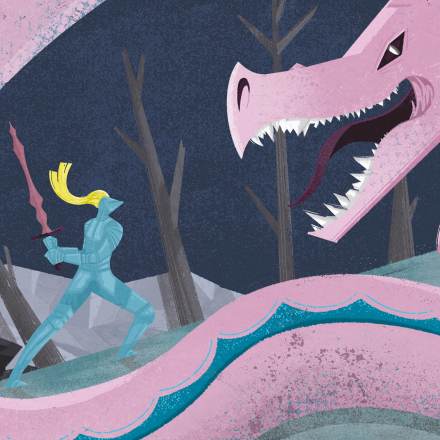
Emily Carroll’s new graphic novel plays on our deepest fears

Emily Carroll’s new graphic novel, A Guest in the House, is an involving, beautifully plotted study of the madness of isolation, steeped in the tropes of fairy tale and horror. And, as all good fairy tales do, it confidently deals in the imagery of the unconscious. Narrated via an innovative combination of text and cinematic, sweeping illustration, it concerns the boundaries of the imagination, and the dynamics of a small family as it threatens to fall apart. Abby is a young wife, listless and bored, who has married an older man (David, a normal kind of guy, with that most humdrum of jobs: dentistry). The setting, depicted with haunting precision in muted tones, is 1990s Canada.

carroll
taylor lorenz

Taylor Lorenz is optimistic about the internet

“People,” wrote Dwight Macdonald, “feel a need to be related to other people.” Not a happy sentiment, not intentionally. This was how mass culture — “masscult,” he called it — created diversion out of artless entertainment. His example was John Barrymore, an icon of a great acting dynasty whose alcoholic decline brought out raucous crowds, “because it showed them he was no better than they were.” Macdonald’s old pessimism came back to me toward the end of Extremely Online, which is more than a history of the internet creator “revolution.” Taylor Lorenz, a Washington Post columnist with a vivid online life, is its John Reed, chronicling the influencers’ victories while cheering them on.

Christopher Rufo’s new book is impressively erudite

When a new book by an author often characterized as a conservative polemicist earns a rave review in the staid Economist, independent thinkers take notice. Christopher Rufo’s articles on recent US radicalism for the Manhattan Institute’s City Journal have long attracted wide attention, and now America’s Cultural Revolution has been praised as “meticulous” and “cerebral” as well as “persuasive and well-written.” All true, for Rufo’s book is impressively erudite, reflecting a breadth and depth of familiarity with influential leftist writings that will shame any number of “woke” academics.

rufo
vfx horror films

The lamentable rise of VFX in horror films

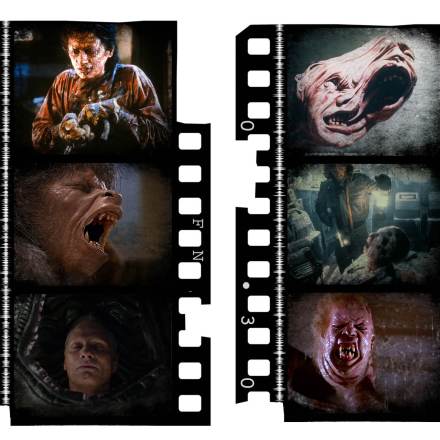
The Thing is not a monster movie. Sure, John Carpenter was remaking the 1951 The Thing from Another World, itself an adaptation of the 1938 pulp-sci-fi novella Who Goes There? — but it’s not a shlocky B-movie horror. It’s too vicious, cynical and psychological for that. Rather, it’s the ultimate paranoia thriller. For the unfamiliar, the 1982 flick is about a group of researchers, stuck in an Antarctic base, who discover a strange shape-shifting alien, which consumes its victims and then mirrors their look, smell, speech and manner. They’re all marooned together, being hunted down by an unearthly terror, and any of them — friend, stranger, dog — could be it, waiting to strike.