
Life

Life

The meaning of the lemonade stand

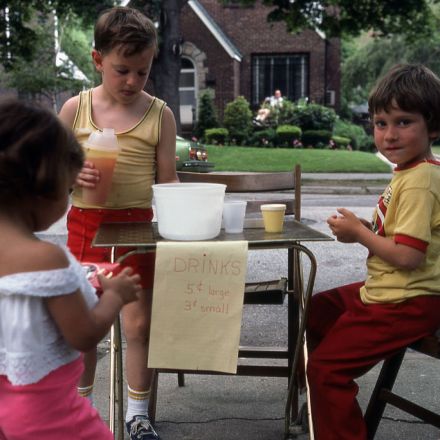
It’s a big week in my household. My London-born, New York City-raised eight-year-old is taking an initial tentative step into the glorious, promise-filled world of American capitalism: she’s setting up her first lemonade stand. If you’re not American, or you haven’t spent much time here, you may be wondering why I’m announcing this with the fanfare of an Ivy League acceptance letter. And sure, perhaps it’s evidence that I’m slowly morphing into the Type A Manhattan parent I so like to mock. But also: the lemonade stand occupies a somewhat mythical space in American culture. As well as a way for children to earn a few dollars during the summer holidays, it’s a rite of passage.
Steeplechase is a profoundly English sport

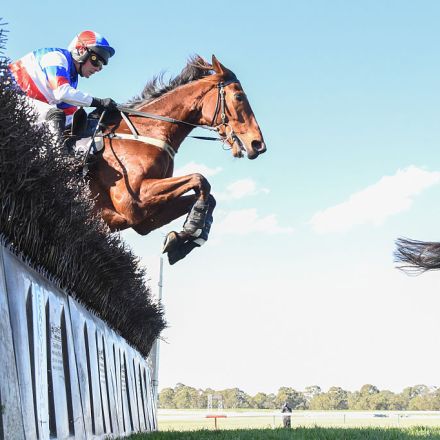
I spent years living in the UK buying and selling horses, but I didn’t know a thing about steeplechase until I moved to Maryland. Despite technically originating in 18th-century Ireland, the equestrian sport of steeplechase feels about as English as it gets. Riders race on thoroughbreds, barreling over tree-like jumps called timbers on long and wild tracks. Steeplechase combines every elite aspect of the horse world: racing, jumping, the rugged outdoorsmanship of foxhunting and the proud formality of English jockey silks. And with a season running through early spring and fall, the crowd of spectators is typically encased in tweed. Maryland, a state founded as a Catholic refuge, exists now as an inheritor of the English aristocracy – at least when it comes to the country life.

Sports are just a distraction from death

Pascal attributed royalty’s employment of court jesters to the king’s desire to forget or ignore, for however brief a moment, the fact of his own mortality. Carl Trueman, in The Desecration of Man, suggests that today’s star athletes and entertainers owe their remuneration, exceeding by many times the annual salary of the US president, to the major role they play in helping postmodern and post-Christian people to do the same.

My friend the failure – and the star

“Altogether Elsewhere.” The title page of an unpublished travel book caught my eye during a recent clear-out. The author, Matthew Leeming, was a character who deserved to be famous but somehow never made it. He was imaginative, witty, fearless and greedy – wonderfully greedy. He inherited his father’s ceramics company and ran it for years with great success. He loved being rich. “Money,” he used to say wistfully, “eases the pain of being alive.” To pique women’s interest, he claimed to be off-limits. ‘I’m training for the priesthood,’ he confided He invented businesses out of thin air. In Oxford he lived in a neighborhood called St. Clement’s and he created a summer school by printing a ream of luxury notepaper with an imposing letterhead: “St.